
In the ever-evolving landscape of technology, the success of digital products is increasingly tied to the user experience (UX) and user interface (UI) design. The shift towards human-centered design approaches has become imperative, emphasizing the importance of creating digital experiences that resonate with real people. In this blog, we'll explore the principles of human-centered design and how they play a pivotal role in shaping UI/UX for the benefit of end-users.
Understanding Human-Centered Design:
At its core, human-centered design places the user at the center of the design process. Rather than creating products based solely on technical capabilities or aesthetic preferences, designers delve into the needs, behaviors, and preferences of the end-users. By empathizing with the target audience, designers can create solutions that are not only visually appealing but also intuitive and functional.
Empathy as the Driving Force:
Empathy is the foundation of human-centered design. Designers seek to understand the users' perspectives, challenges, and motivations. This empathetic approach enables them to design interfaces that resonate with users on a deeper level. By putting themselves in the users' shoes, designers can make informed decisions that enhance the overall user experience.
Iterative Design Process:
Human-centered design involves an iterative process that encourages constant refinement based on user feedback. This iterative loop ensures that the UI/UX is continuously evolving to meet the changing needs of the users. Regular user testing and feedback collection help identify pain points and areas of improvement, leading to a more refined and user-friendly end product.
Tailoring Solutions to User Needs:
Successful UI/UX design is not about imposing a preconceived notion of what users should want; instead, it's about responding to what users actually need. By conducting user research, designers gain insights into user behaviors, preferences, and pain points. This information guides the creation of interfaces that are not only visually appealing but also highly functional and aligned with user expectations.
Creating Inclusive Designs:
Human-centered design promotes inclusivity by considering the diverse needs of users. Accessibility features, for example, ensure that digital products are usable by people of all abilities. Designers strive to create interfaces that cater to a broad spectrum of users, fostering a sense of inclusivity and making digital experiences accessible to everyone.
The Intersection of UI and UX:
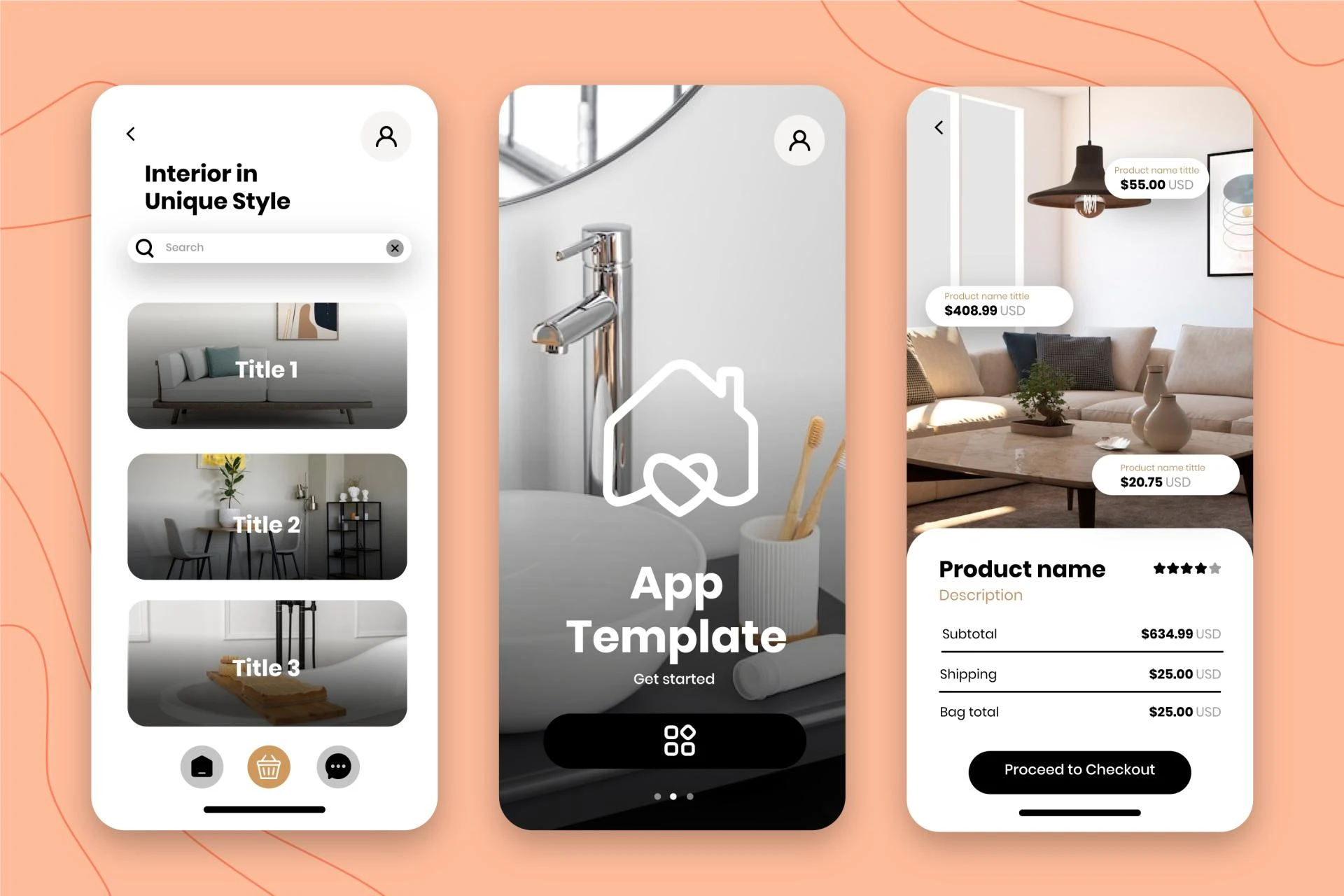
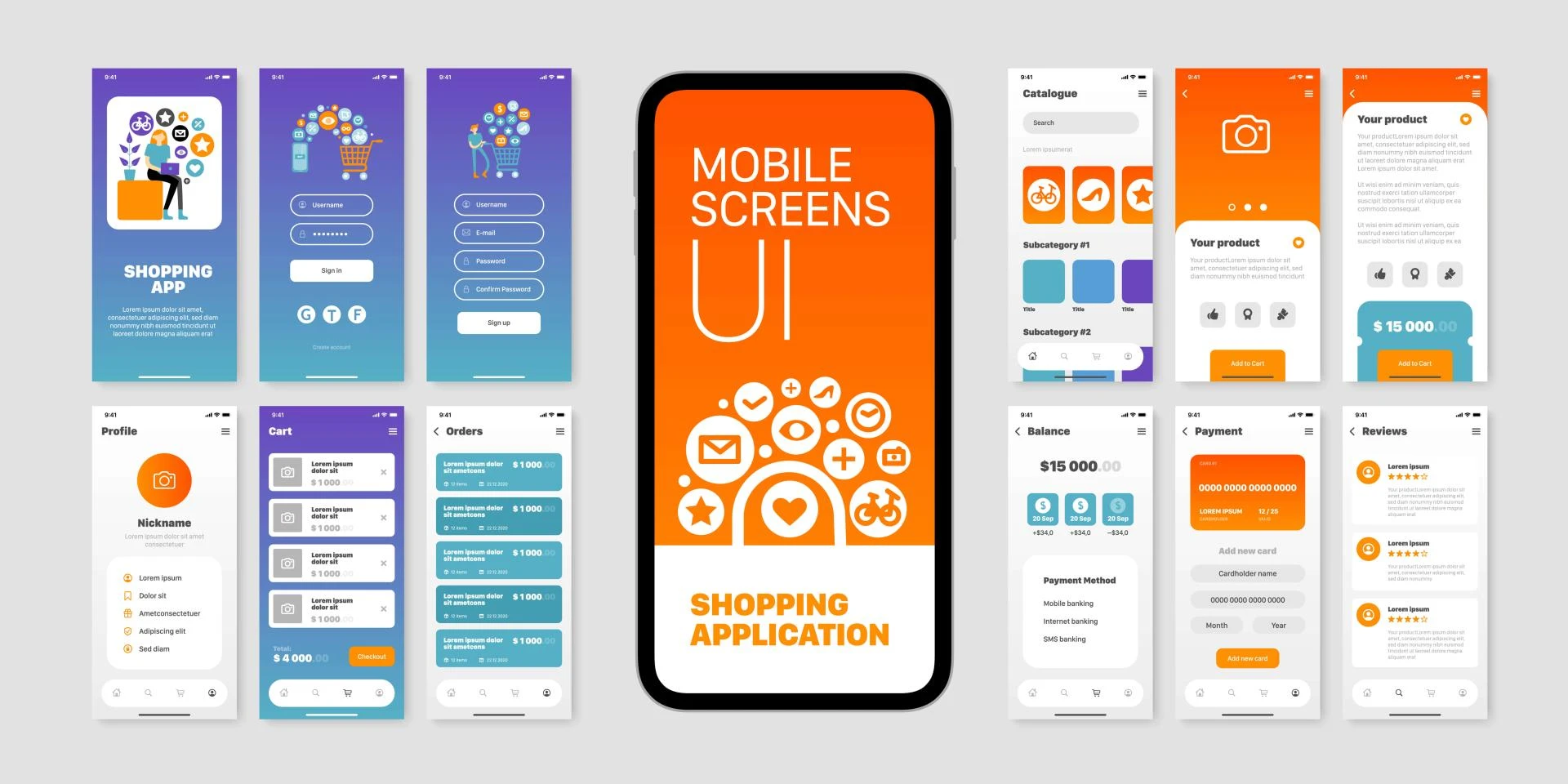
User interface (UI) and user experience (UX) are often used interchangeably, but they represent distinct aspects of design. UI focuses on the visual elements of a digital product, including layout, color schemes, and typography. UX, on the other hand, encompasses the overall user journey and interaction with the product. Human-centered design bridges the gap between UI and UX, ensuring that the visual appeal aligns seamlessly with the overall user experience.
Conclusion:
In the dynamic world of digital design, the emphasis on human-centered design is more crucial than ever. Shaping UI/UX for real people involves a deep understanding of user needs, an empathetic approach, and a commitment to an iterative design process. By embracing these principles, designers can create digital products that not only meet but exceed user expectations, resulting in meaningful and enjoyable user experiences. Human-centered design isn't just a trend; it's a fundamental shift that prioritizes the people who use technology, ultimately leading to more successful and user-friendly digital solutions.
Visit my Upwork profile for — UI/UX design, Web Design & Mobile design
Check out my amazing project catalog — iOS or Android Mobile APP UX/UI Design, Responsive website design & Crypto & NFT Mobile App UI Design




























Sign in to leave a comment.