
In the ever-evolving landscape of technology, the realm of User Interface (UI) and User Experience (UX) design stands at the forefront of innovation. As we step into the future, the trajectory of UI/UX is being shaped by a confluence of emerging technologies and trends that promise to redefine the way we interact with digital interfaces.
Augmented Reality (AR) and Virtual Reality (VR)
One of the most exciting developments in UI/UX is the integration of Augmented Reality (AR) and Virtual Reality (VR). AR overlays digital information onto the real world, enhancing the user's perception, while VR immerses users in a completely virtual environment. These technologies are poised to revolutionize how users engage with applications, providing a more immersive and interactive experience. From gaming to education and beyond, AR and VR are set to become integral components of future UI/UX design.
Voice User Interface (VUI)
The rise of voice-controlled devices has ushered in a new era for UI/UX design. Voice User Interface (VUI) is becoming increasingly popular, with virtual assistants like Siri, Alexa, and Google Assistant leading the way. Users now expect seamless interactions through natural language, and designers must adapt to create interfaces that understand and respond to spoken commands. This trend not only enhances accessibility but also opens up new possibilities for hands-free and intuitive user experiences.
Artificial Intelligence (AI) and Machine Learning (ML)
Artificial Intelligence (AI) and Machine Learning (ML) are transforming UI/UX by providing personalized and predictive experiences. AI analyzes user behavior to anticipate preferences, making interfaces more intuitive and user-friendly. Chatbots, powered by AI, are becoming commonplace, offering instant and personalized assistance. The integration of AI and ML ensures that UI/UX adapts to individual user needs, creating a dynamic and responsive digital environment.
Minimalistic and Clean Design
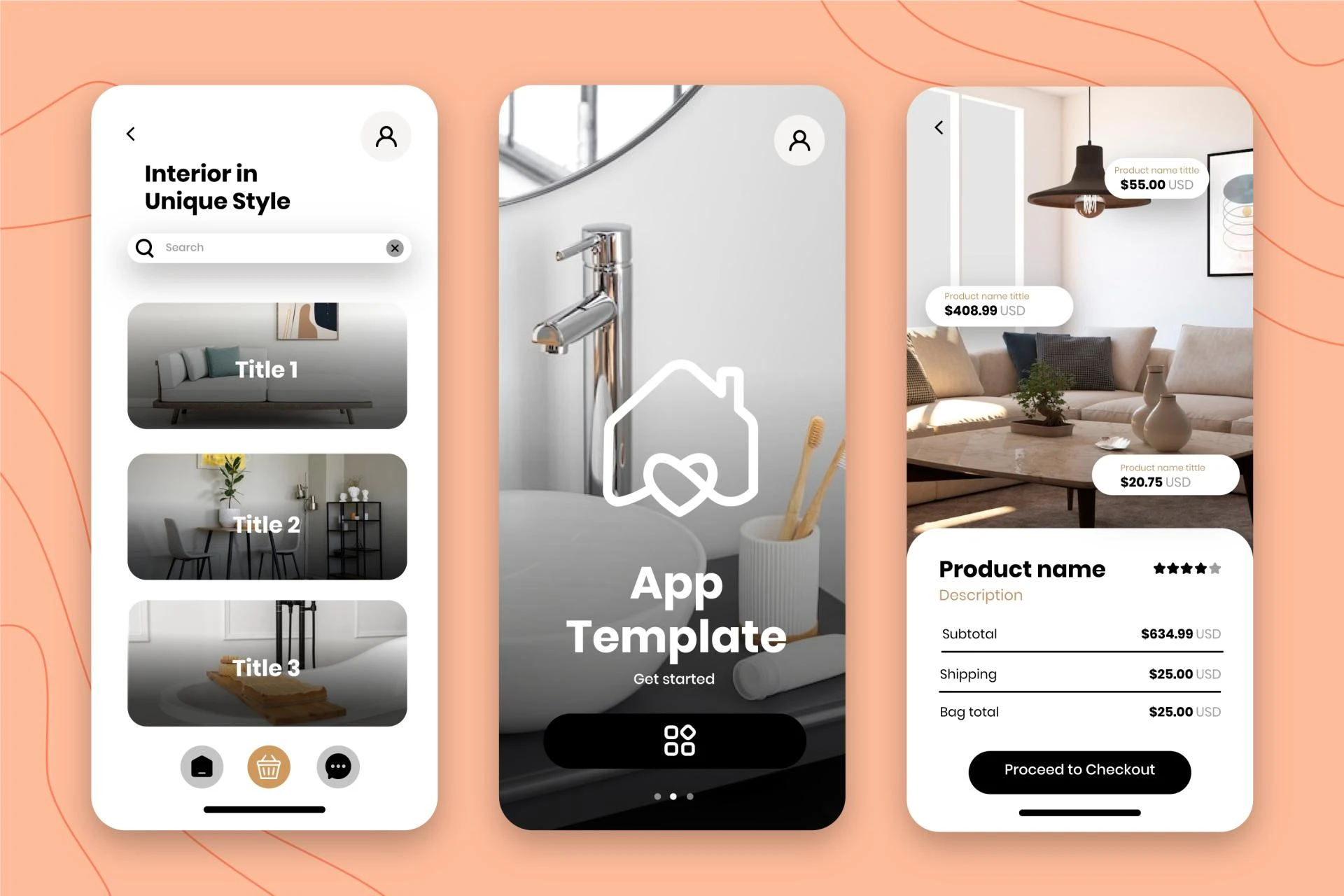
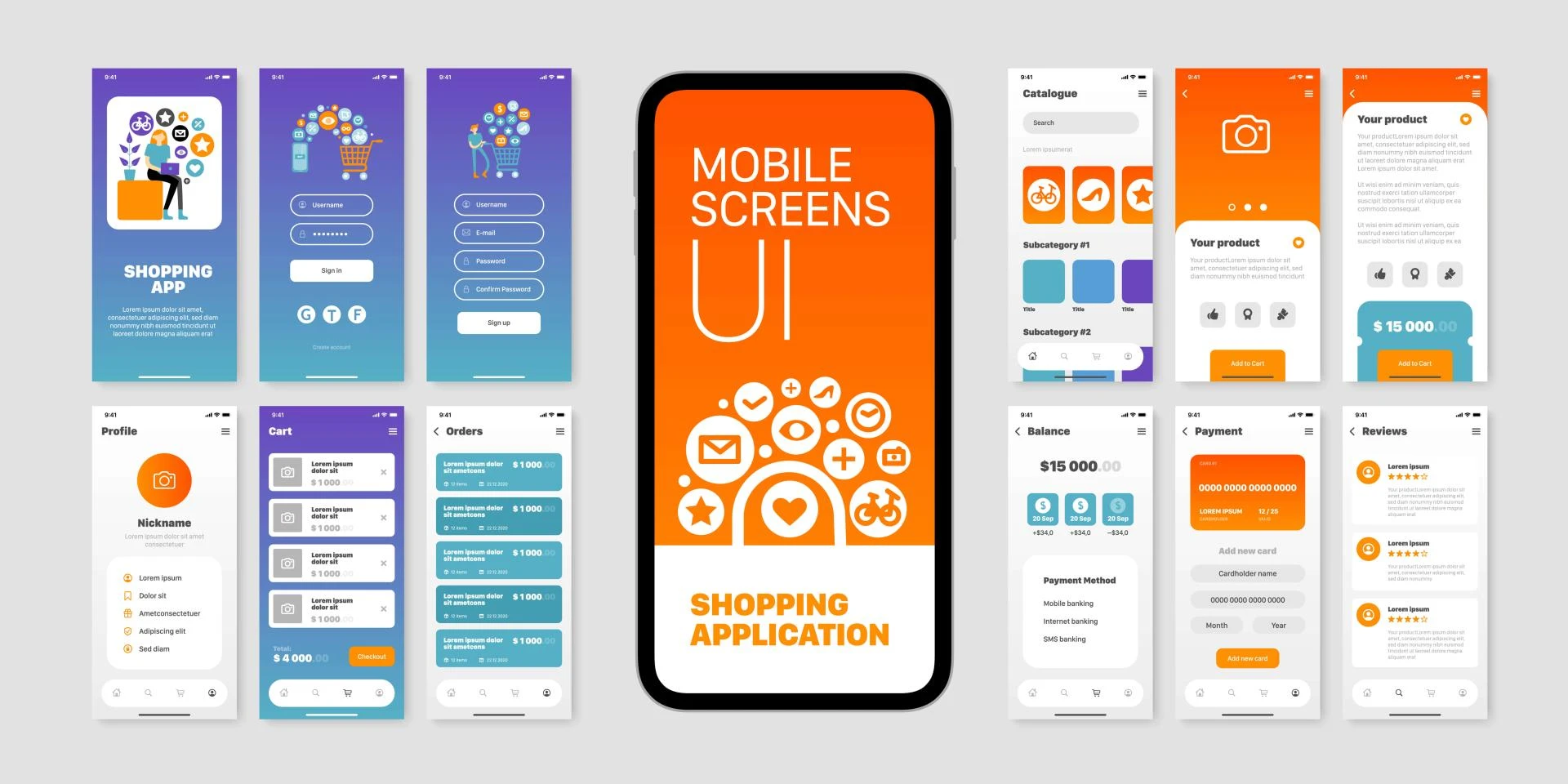
The age-old design philosophy of "less is more" continues to be a driving force in UI/UX. Minimalistic and clean design focuses on simplicity, clarity, and functionality. Users appreciate interfaces that are easy to navigate, visually appealing, and devoid of unnecessary elements. This design approach not only enhances user satisfaction but also ensures faster loading times and improved overall performance.
Dark Mode
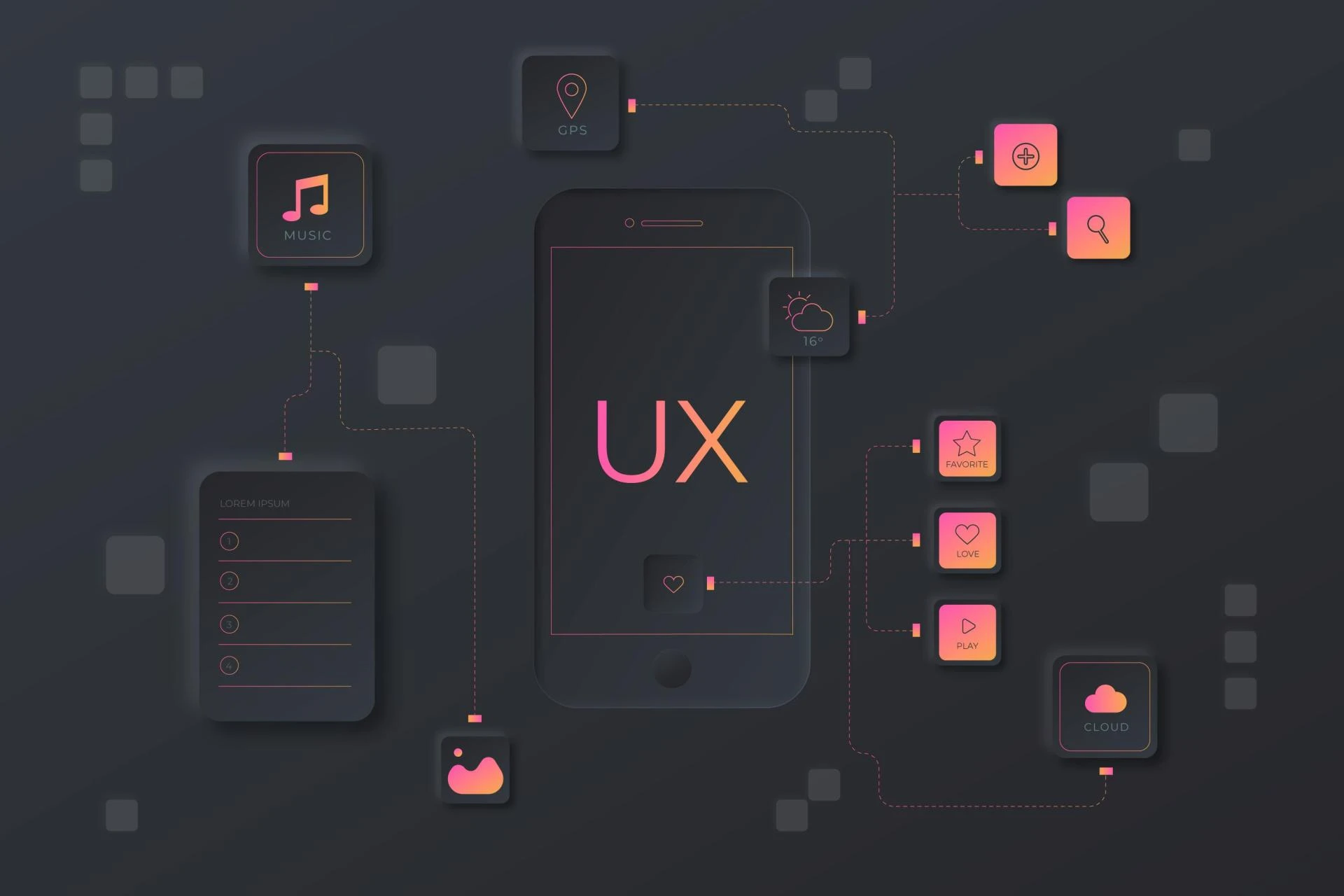
Dark mode has transitioned from being a trendy feature to a UI/UX design standard. This visually appealing option not only reduces eye strain in low-light conditions but also adds a touch of sophistication to digital interfaces. As more applications and websites adopt dark mode, designers must consider its integration from the early stages of development, ensuring a seamless and consistent user experience across platforms.
Conclusion
the future of UI/UX is an exciting frontier, driven by the integration of cutting-edge technologies and design trends. From the immersive experiences offered by AR and VR to the conversational interactions facilitated by VUI, and the personalized touch provided by AI and ML, designers must stay abreast of these developments to create interfaces that resonate with the evolving needs and expectations of users. Embracing minimalistic design principles and accommodating features like dark mode further contribute to a harmonious and user-centric digital landscape. As we navigate the future of UI/UX, the key lies in striking a balance between innovation and user-centric design to create seamless and delightful digital experiences.
Visit my Upwork profile for — UI/UX design, Web Design & Mobile design
Check out my amazing project catalog — iOS or Android Mobile APP UX/UI Design, Responsive website design & Crypto & NFT Mobile App UI Design























Sign in to leave a comment.