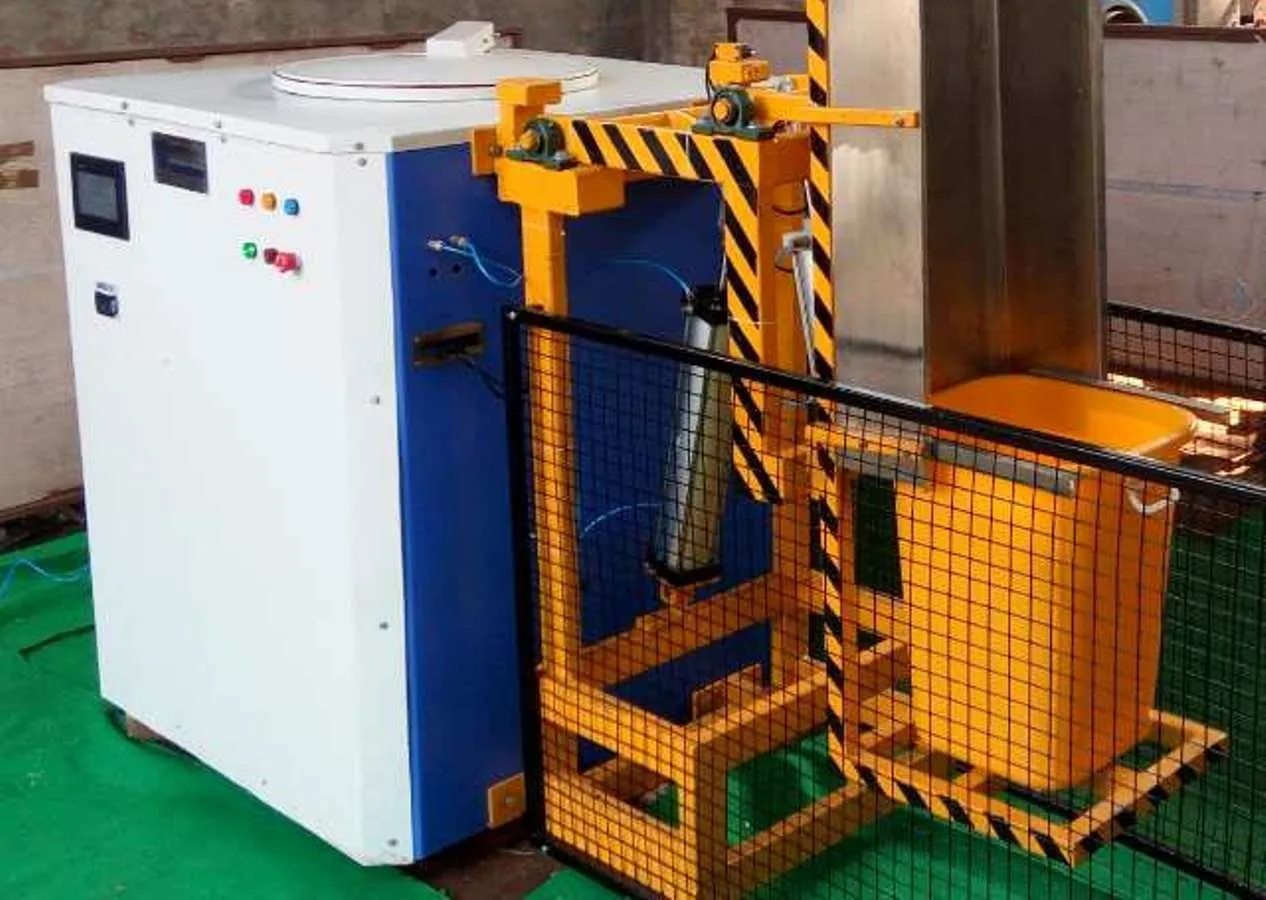

A safer smarter way for hospitals and clinics to treat infectious waste on site.
Hospitals, clinics, and labs create a lot of waste every day. This is not normal waste - it includes used syringes, gloves, bandages, and other items that can carry infection. If this waste is not treated properly, it can spread disease and harm the environment. That's why more healthcare facilities are now using a machine called the Integrated Autoclave with Shredder, also known as an IAS machine, to treat this waste safely, right where it is created.
What Is an Integrated Autoclave with Shredder?
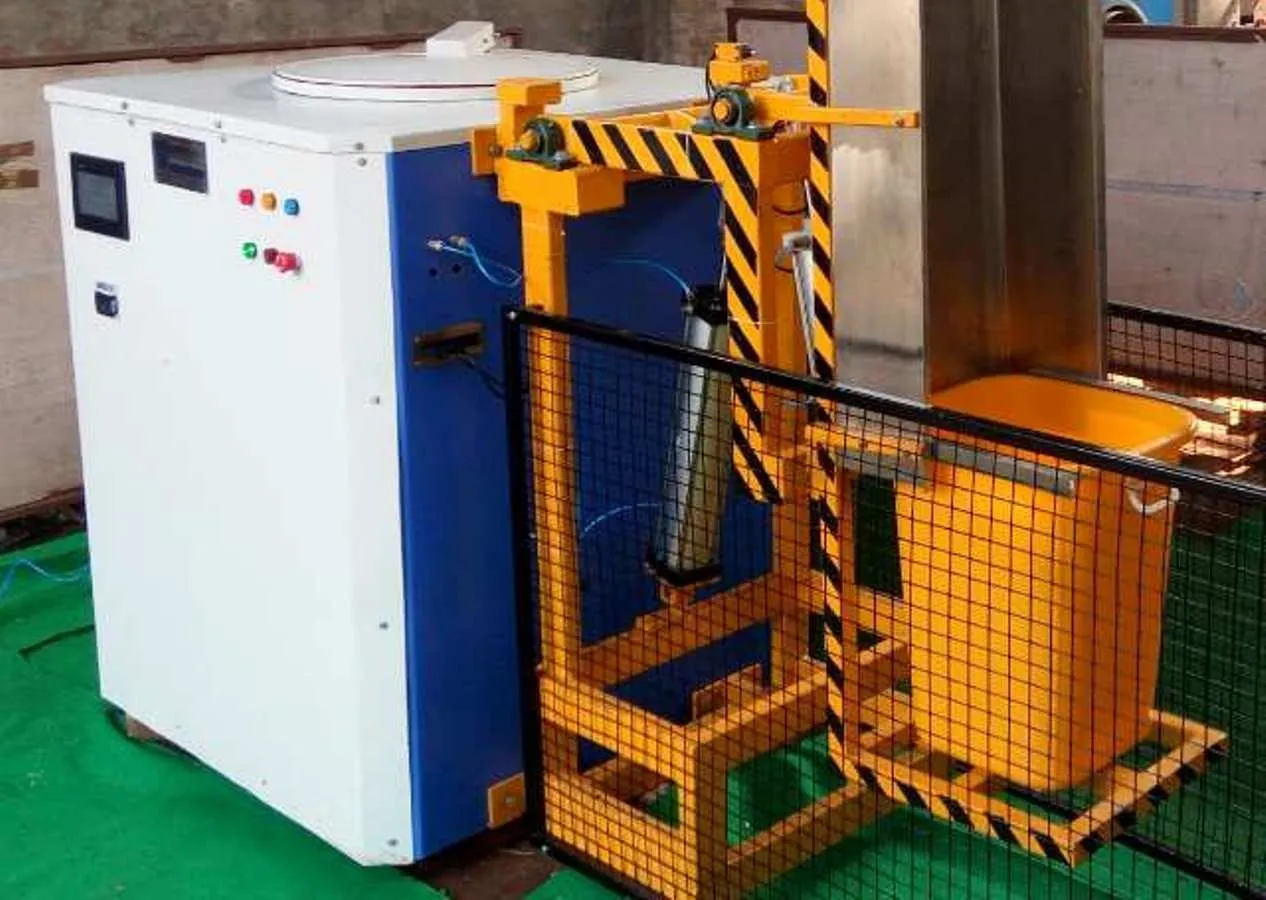
An Integrated Autoclave with Shredder is a machine that does two jobs in one system: it sterilizes waste using steam, and it shreds the waste into small pieces. Both these steps happen inside one closed unit, so the waste stays safe from the moment it enters the machine to the moment it comes out.
First, the waste is heated using high pressure steam. This kills bacteria, viruses, and other harmful germs. Then, the shredder breaks the waste into small pieces so it can no longer be recognized or reused by anyone. This makes the waste safe to throw away, and it also reduces the space needed for storage and transport.
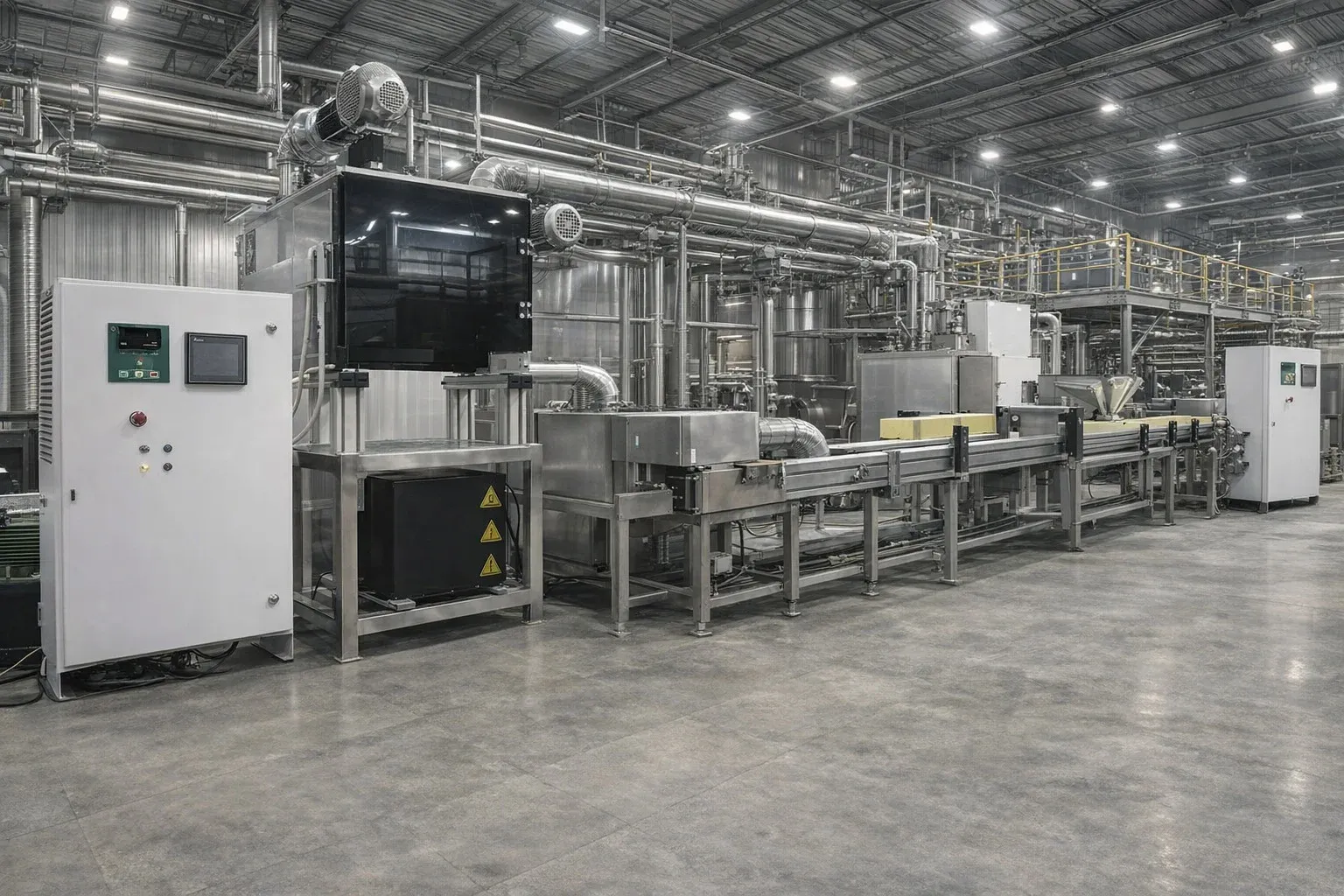
If you want to see how this kind of machine looks and works, you can check Kerone's Integrated Autoclave with Shredder (IAS) Machine.
How Does the Process Work?
The process is simple to follow once you break it into steps:
- Waste Loading - Bags of medical waste are loaded into the machine, usually through a sealed feeding port.
- Shredding - The waste is shredded first (in some models) or after sterilization (in others), depending on the machine design. This step makes sure the waste cannot be reused or recognized.
- Steam Sterilization - The shredded waste is exposed to high-pressure steam, usually at temperatures around 121°C to 138°C. This step kills almost all harmful germs.
- Drying and Cooling - After sterilization, the waste is dried and cooled down before it is removed from the machine.
- Discharge - The final output is safe, sterilized, and reduced-volume waste, ready for normal disposal like a landfill.
This whole process happens inside one sealed machine, so workers don't need to touch the waste directly. This keeps the staff safe and avoids any risk of spreading infection.
Why Hospitals Prefer This Machine
Many hospitals and clinics are now choosing Integrated Autoclave with Shredder machines over traditional incinerators for general infectious waste. Here's why:
- No Burning, No Smoke - Since the process uses steam and not fire, there is no smoke, no ash, and no harmful gases released into the air.
- Space Saving - Waste volume can be reduced by a large amount after shredding, which means less storage space and lower transport costs.
- Safe for Staff - The whole process is automated and enclosed, so there's very little contact with the untreated waste.
- Good for the Environment - Without any burning involved, there are no emissions to control, which makes it a cleaner option compared to incineration.
- Faster and Efficient - The process is quick, and many machines are designed to run continuously with very little manual work needed.
What Kind of Waste Can It Treat?
An Integrated Autoclave with Shredder machine works well for most general infectious waste, such as:
- Used syringes and sharps
- Disposable gloves and gowns
- Cotton, gauze, and bandages
- Culture plates and lab material
- Plastic tubing and disposable medical items
However, it's important to know that this machine cannot treat everything. Waste like pathological waste, chemotherapy drugs, or certain chemical waste still needs to be sent to an incinerator, since sterilization alone cannot destroy them. Many big hospitals actually use both systems together - an Integrated Autoclave with Shredder for general waste, and a separate incinerator for the waste that legally needs to be burned.
Where Is This Machine Used?
Integrated Autoclave with Shredder machines are commonly used in:
- Hospitals and Clinics - For daily treatment of infectious medical waste.
- Diagnostic Labs - For safe disposal of culture material and lab waste.
- Blood Banks - For treating used collection bags and related waste.
- Centralized Waste Treatment Facilities - Where waste from many hospitals is treated together at one site.
- Rural Health Centers - Since these machines are compact, they also work well in smaller facilities that don't need a full-size incinerator.
Choosing the Right Machine
Not every hospital needs the same size or type of machine. It depends on how much waste is generated every day, the type of waste, and the space available at the facility. A small clinic will need a smaller unit than a big multi-specialty hospital. Getting this decision right helps save money and makes sure the facility stays fully compliant with waste management rules.
If you'd like to explore more waste treatment options for your facility, you can browse Kerone's full range of solutions, or feel free to reach out to the Kerone team for guidance on the right system for your needs.
Conclusion
Treating biomedical waste properly is not just a rule to follow - it protects hospital staff, patients, and the community around it. An Integrated Autoclave with Shredder machine offers a clean, safe, and space saving way to treat infectious waste, without the smoke and emissions that come with burning. For hospitals and clinics looking for a modern, eco-friendly solution, this machine is a smart choice.






















Sign in to leave a comment.