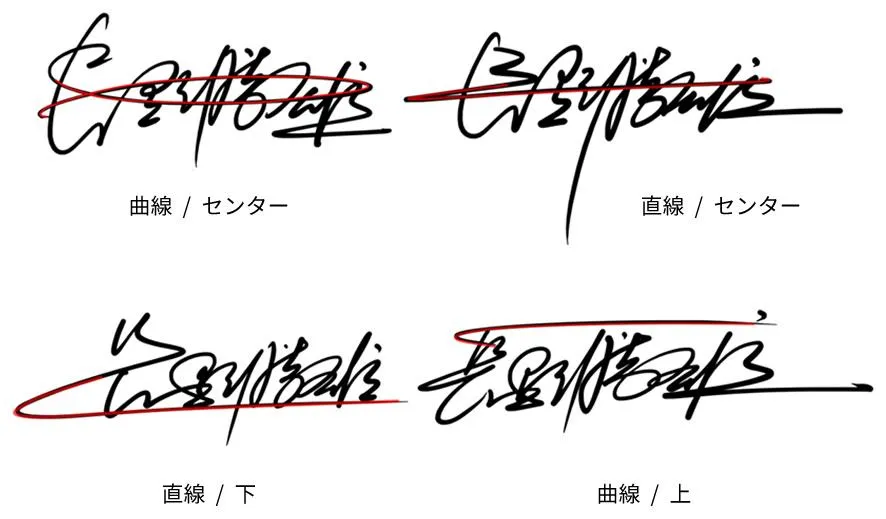

In many parts of the world, signatures are simply functional marks used to approve documents. In Japan, however, signatures often carry a deeper connection to culture, writing style, and personal presentation. Japanese signatures are shaped by centuries of calligraphy traditions, formal communication practices, and the coexistence of handwritten names with traditional seal systems.
Although Japan is widely known for using hanko stamps, handwritten signatures still play an important role in daily life, especially in international business, creative industries, and modern digital communication.
The Visual Character of Japanese Signatures
Japanese signatures often appear cleaner and more balanced than heavily stylized Western signatures. Instead of creating unreadable cursive marks, many people in Japan write their names in a way that remains visually clear while still feeling personal.
The use of kanji naturally adds artistic structure because each character contains carefully balanced strokes and spacing. Even a simple handwritten name can look visually refined due to the design of the writing system itself.
This combination of readability and elegance gives Japanese signatures a distinctive identity.
Influence of Traditional Calligraphy
Japanese handwriting has long been influenced by calligraphy, known for its controlled brush movement and attention to composition. These artistic traditions continue affecting how many people develop their personal signatures today.
Some signatures are written with flowing brush-inspired lines, while others focus on simplicity and precision. The rhythm of the strokes often matters as much as the shape of the letters or characters.
Because of this influence, Japanese signatures are sometimes appreciated not only as writing, but also as visual art.
Signatures and Hanko Existing Together
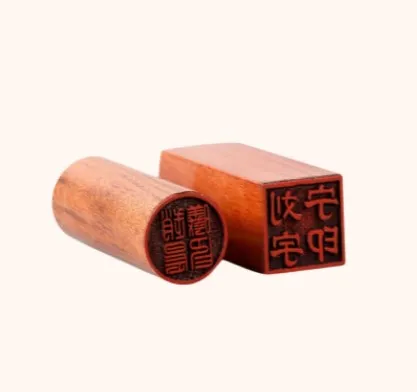
Unlike many Western countries where signatures dominate legal verification, Japan historically relied more heavily on hanko seals. These engraved stamps were traditionally used for contracts, official documents, and identity confirmation.
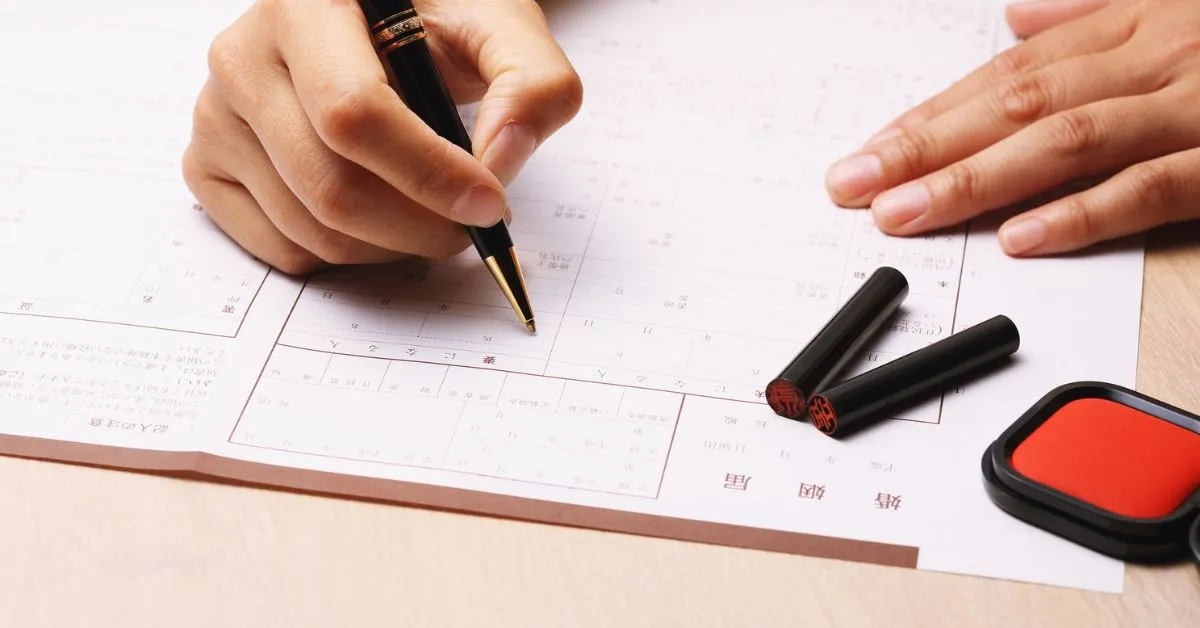
Even though seals remain important, signatures are still widely used in modern situations such as international paperwork, online communication, and travel documents.
Today, many professionals in Japan use both systems depending on the context.
Different Writing Styles in Japanese Signatures
A Japanese signature can be written in several forms depending on personal preference and purpose.
Some people use kanji for a formal and traditional appearance. Others prefer hiragana for a softer visual style or katakana for modern simplicity. In international settings, Romanized English signatures are also common.
Creative professionals sometimes develop highly stylized autograph designs that function almost like personal logos.
Why Japanese Signatures Attract Designers
Graphic designers often admire Japanese signatures because of their balance and minimalism. The natural flow of kanji and brush-style handwriting creates elegant visual compositions that fit modern branding trends.
Japanese-inspired signatures are frequently used in fashion branding, luxury packaging, restaurant identities, and artistic projects where authenticity and craftsmanship are important themes.
Their understated elegance works especially well in minimalist visual design.
Modern Digital Signature Culture
As digital communication becomes more common, electronic signatures and handwritten digital autographs are increasingly used in Japan.
Creative professionals often combine digital handwriting with seal-inspired graphics to create unique online identities. This blend of tradition and modern technology has produced a distinctive contemporary Japanese visual style.
Even in digital environments, the cultural preference for careful presentation remains strong.
Signatures in Japanese Business Etiquette
Professional communication in Japan places importance on neatness and consistency, and signatures reflect that mindset.
Business signatures are usually kept formal, readable, and stable over time. A consistent signature style is often viewed as more professional than a dramatically stylized autograph.
This emphasis on reliability and presentation mirrors broader Japanese workplace values.
International Fascination With Japanese Handwriting
Outside Japan, Japanese signatures are often admired because they combine artistic beauty with simplicity. Many people are drawn to the flowing structure of kanji and the elegant appearance of brush writing.
As Japanese aesthetics continue influencing global design culture, signature styles inspired by Japanese calligraphy have become increasingly popular in branding and creative media.
This fascination has expanded far beyond traditional handwriting into digital design and visual identity systems.
Final Thoughts
Japanese signatures represent much more than simple identification marks. They reflect cultural traditions, artistic influence, and personal identity shaped by centuries of writing and design history.
Whether written in kanji, brush-style ink, or modern digital form, Japanese signatures continue blending elegance, clarity, and individuality in a way that remains admired around the world.
Article Source: https://hankohub.com/




























Sign in to leave a comment.