

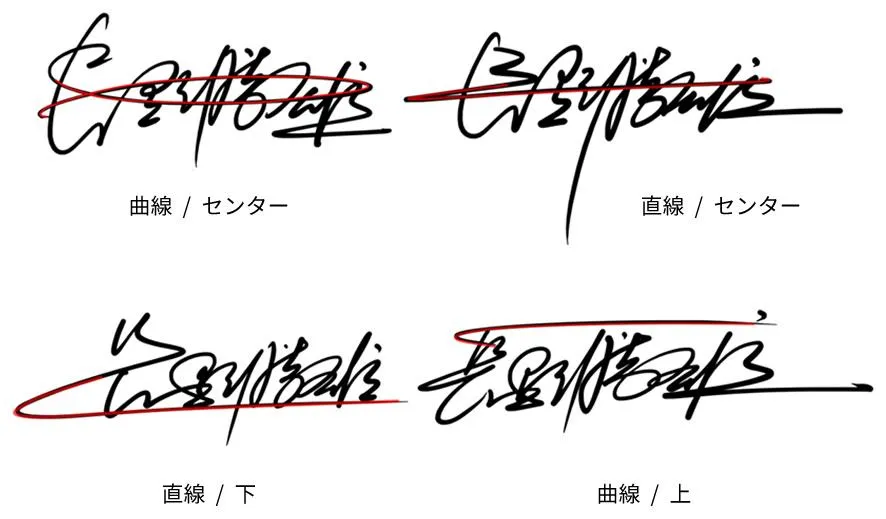
A Hanko is a traditional Japanese seal used in place of a handwritten signature. Instead of signing documents with a pen, people in Japan often use a carved stamp that prints their name in ink. This system has been used for centuries and still plays an important role in both personal and professional life in Japan today.
While it may look simple, the hanko carries deep cultural meaning. It represents identity, trust, and responsibility. In many cases, a stamped seal is considered just as legally valid—and sometimes even more important—than a signature.
The Meaning and Purpose of Hanko
The main purpose of a hanko is identification. Each seal is uniquely designed with a person’s name engraved in stylized Japanese characters. When pressed onto paper with ink, it leaves a distinct imprint that acts as proof of approval or agreement.
In Japan, hanko are used in many situations, such as signing contracts, opening bank accounts, receiving parcels, or approving official documents. Instead of writing a signature repeatedly, people simply press their seal, making the process fast and standardized.
However, the hanko is not just a tool of convenience. It also represents personal responsibility. When someone stamps their hanko on a document, it signals that they fully accept its contents.

Different Types of Hanko
There are several types of hanko, each with different levels of importance.
The most casual type is used in everyday situations, such as signing for deliveries or internal office approvals. These are often inexpensive and easy to replace.
A more formal type is used for banking and business transactions. These seals are registered with institutions and are treated with greater security.
The most important type is the legally registered personal seal, often known as a Jitsuin. This seal is required for major legal actions such as buying property or signing official contracts.
Together, these categories form a structured system that ensures the right level of verification depending on the importance of the document.
How a Hanko Is Made
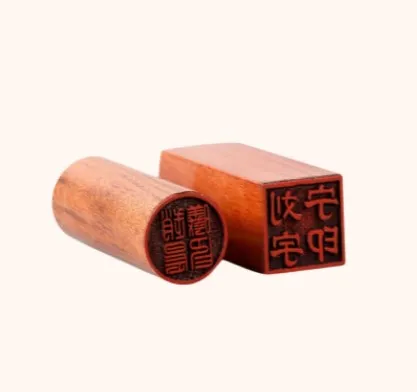
A traditional hanko is carefully crafted by carving a person’s name into a small cylinder made of wood, stone, ivory, or modern resin materials. Skilled artisans or specialized machines create the design in reverse so that it prints correctly when stamped.
The name is usually written in kanji, although katakana or even Latin letters can sometimes be used. The design must be precise because even a small error can make the seal unusable.
Once completed, the hanko is dipped in red ink paste called “shuniku” and pressed onto paper to create a clear impression. This simple process is what gives the hanko its power and identity.
Hanko in Daily Life in Japan
In everyday Japanese life, hanko are still widely used, although digital alternatives are becoming more common. Many companies still require employees to stamp documents for approval. Banks often use hanko verification when processing financial transactions.
Even receiving a package may require a stamp instead of a signature. This shows how deeply embedded the system is in daily routines.
However, younger generations and modern companies are gradually shifting toward electronic signatures. Despite this change, hanko remains an important cultural and legal symbol.
Cultural Importance of Hanko
The hanko system reflects key values in Japanese society such as trust, discipline, and accountability. Because a stamp is unique to each person, it cannot be casually shared or forged without consequences.
This creates a strong sense of responsibility. When someone uses their hanko, it is not just a formality—it is a personal commitment.
The system also reflects Japan’s preference for structured processes. Instead of informal signatures, the use of registered seals ensures clarity and consistency in official matters.
Modern Changes and Digital Shift
In recent years, Japan has begun reducing its reliance on physical seals. Government offices and private companies are adopting digital workflows that do not require stamping.
Electronic signatures are now accepted in many situations, especially in corporate environments. This shift became even more noticeable during the global push for remote work and digital transformation.
Still, the hanko system has not disappeared. Many legal and traditional processes continue to require physical seals, especially in important transactions. As a result, Japan now operates in a hybrid system where both digital and traditional methods coexist.
Why Hanko Still Matters Today
Even with modern technology, the hanko remains relevant because it is deeply trusted. Its long history has created a strong sense of reliability in Japanese society.
Unlike a simple signature, a hanko is registered, verifiable, and tied to official identity records. This reduces the risk of fraud and misunderstanding in legal documents.
It also represents cultural continuity. The continued use of hanko connects modern Japan to its historical roots, preserving a practice that has existed for centuries.
Conclusion
A Hanko is more than just a stamp—it is a symbol of identity, trust, and tradition in Japan. From daily use to major legal transactions, it plays a central role in how people confirm their intentions and responsibilities.
Although digital systems are changing how documents are handled, the hanko still holds an important place in Japanese society. It stands as a unique example of how tradition can continue alongside modern innovation, shaping both culture and everyday life.




























Sign in to leave a comment.