

Intelligent software solutions transform how businesses operate, communicate, and serve customers in the ever-evolving digital age. From automating mundane tasks to driving complex decision-making processes, software infused with artificial intelligence is becoming the backbone of modern enterprises. To achieve such capabilities, organizations often turn to AI software development services to harness the power of cutting-edge technologies. These services enable them to integrate intelligence into their systems, improve efficiency, and stay competitive in a fast-moving marketplace.
At the core of intelligent software lies a range of technologies that make it possible to process information, learn from patterns, and act without human intervention. While the concept may sound futuristic, these tools are already widely used across industries. Understanding the key technologies involved clarifies how intelligent systems function and what drives their performance.
Machine Learning and Deep Learning
Machine learning is the foundation upon which most intelligent software is built. It allows applications to analyze data, recognize patterns, and make predictions without being explicitly programmed for each task. Algorithms learn from historical data and improve their accuracy over time, making them invaluable in finance, healthcare, marketing, and logistics.
Deep learning, a subset of machine learning, goes even further by mimicking the structure and function of the human brain through artificial neural networks. Deep learning models are compelling when working with unstructured data such as images, audio, or natural language. These models are commonly used in voice recognition, image classification, recommendation engines, and fraud detection systems.
Machine learning and deep learning provide the intelligence layer within software solutions, enabling them to adapt and improve as they receive new information.
Natural Language Processing (NLP)
Natural language processing bridges the gap between human communication and computer understanding. It allows software systems to read, interpret, and generate human language. NLP is crucial in chatbots, virtual assistants, translation tools, and sentiment analysis platforms.
By integrating NLP, intelligent systems can conduct meaningful conversations with users, extract insights from customer feedback, and even summarize lengthy documents. The progress in NLP has made it possible for machines to understand nuances in language, including slang, tone, and emotion, allowing for more natural and effective human-computer interaction.
Computer Vision
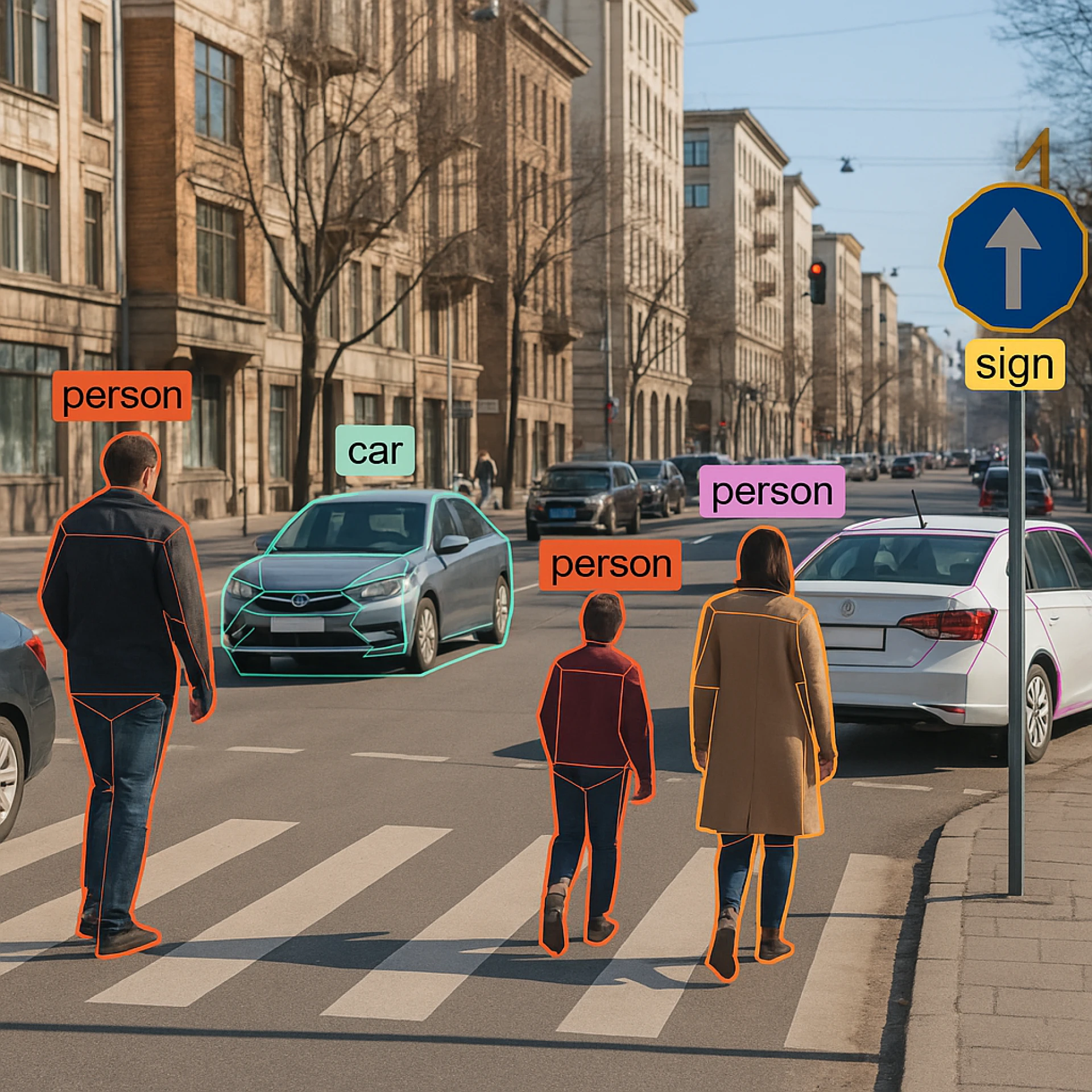
Computer vision allows machines to understand and interpret visual information from the world. This technology is used in applications that require image or video recognition, object detection, facial recognition, and real-time surveillance.
In industries such as manufacturing, computer vision helps monitor production lines for defects. In retail, it enables automated checkout and shelf monitoring. In healthcare, it assists in analyzing medical images to detect diseases at an early stage. The increasing accuracy of computer vision models continues to expand the range of possibilities for intelligent software systems.
Robotic Process Automation (RPA)
Robotic process automation is designed to automate repetitive, rule-based tasks across various business processes. RPA tools can log into applications, enter data, perform calculations, and generate reports, mimicking the actions of human users.
RPA becomes even more powerful when combined with artificial intelligence, as it can handle more complex scenarios involving decision-making and exception handling. Intelligent process automation enables businesses to streamline operations, reduce errors, and improve service delivery. It is especially beneficial in sectors like banking, insurance, and human resources, where high volumes of routine tasks are common.
Data Engineering and Cloud Computing
No intelligent software system can function effectively without access to high-quality, well-organized data. Data engineering involves collecting, storing, processing, and transforming raw data into formats suitable for analysis. It provides the foundation for building machine learning models and intelligent features.
Cloud computing supports intelligent software by offering scalable infrastructure, storage, and computing power on demand. Cloud platforms enable organizations to deploy and manage AI-driven applications without investing in expensive hardware. Additionally, cloud services provide access to pre-trained models, APIs, and development tools that accelerate the creation and deployment of intelligent solutions.
Data engineering and cloud computing form the operational backbone supporting intelligent software's performance, scalability, and availability.
Edge Computing
Edge computing takes data processing closer to the source of data generation, such as sensors, smartphones, or IoT devices. This approach reduces latency and improves response times, which is critical for real-time decision-making applications.
In intelligent software, edge computing is particularly valuable for scenarios where sending data to the cloud and waiting for a response is not feasible. Examples include autonomous vehicles, smart cameras, and industrial control systems. These systems can make faster and more efficient decisions by processing data at the edge, enhancing their overall performance.
Knowledge Graphs and Semantic Technology
Knowledge graphs and semantic technologies allow intelligent software to understand relationships between data points and draw inferences from them. These tools provide context and meaning to information, making it easier for systems to reason, explain, and recommend.
Search engines, for example, use knowledge graphs to understand user intent and deliver more relevant results. Enterprise systems can apply these technologies to model organizational knowledge, improve content discovery, and support better decision-making. Knowledge graphs help software systems go beyond surface-level understanding by organizing and connecting data meaningfully.
Cybersecurity and Ethical Considerations
As software becomes more intelligent, the need for robust cybersecurity measures also increases. Intelligent systems can be targets for manipulation or misuse, mainly when they operate autonomously or handle sensitive data. Ensuring these systems are secure, transparent, and trustworthy is critical to their long-term success.
Moreover, ethical considerations must be addressed during the development and deployment of intelligent software. This includes eliminating bias in machine learning models, respecting user privacy, and ensuring accountability in automated decision-making. Incorporating responsible practices helps build user trust and ensures compliance with evolving regulations.
Integration and Interoperability
Intelligent software systems do not exist in isolation. They often need to integrate with other platforms, databases, and services within an organization. Achieving seamless interoperability is essential for unlocking the full potential of intelligent capabilities.
APIs, microservices, and containerization are tools to ensure that intelligent features can be embedded into larger ecosystems. Integration enables organizations to leverage their existing infrastructure while adding new layers of intelligence where needed.
The Road Ahead
The future of intelligent software solutions is both exciting and complex. As new technologies emerge and existing ones continue to mature, the capabilities of these systems will grow significantly. Organizations that invest in understanding and adopting the right mix of technologies will be better positioned to innovate and lead in their respective industries.
The spectrum of intelligent software applications, from smart assistants and predictive analytics to autonomous systems and intelligent automation, continues to widen. Developers, businesses, and users alike stand to benefit from the enhanced functionality, efficiency, and value delivered by these advanced systems.
Intelligent software must evolve continuously to remain relevant and effective, learning from data, adapting to changes, and improving user experience. The journey toward more innovative applications is a collaborative effort involving vision, strategy, and a deep understanding of the technologies that power them.
As businesses embrace digital transformation, the technologies behind intelligent software solutions will become even more integrated into daily operations. They will drive new productivity, insight, and customer satisfaction levels, ultimately reshaping how we work and live.




























Sign in to leave a comment.