

Artificial Intelligence has changed how digital content is created. With the rise of tools that generate both text and images, businesses and developers are now focusing on how to build generative AI solutions that can meet modern demands. These systems are not just about automation but about understanding context, style, and meaning to produce human-like content. To build reliable and efficient AI-driven text and image systems, it is important to understand the core components that support their development and success.
Understanding Generative AI Systems
Generative AI systems use machine learning models trained on large datasets to create new content. These models can write articles, generate realistic images, or even create entire videos. What makes them unique is their ability to learn patterns, styles, and structures from data and apply this understanding to produce original outputs. The most well-known examples include large language models like GPT and image generators such as DALL·E and Stable Diffusion.
Developing these systems requires a thoughtful approach. Each part of the system plays a key role in how well it performs, how accurate its outputs are, and how effectively it scales for real-world use.
Data Collection and Preparation
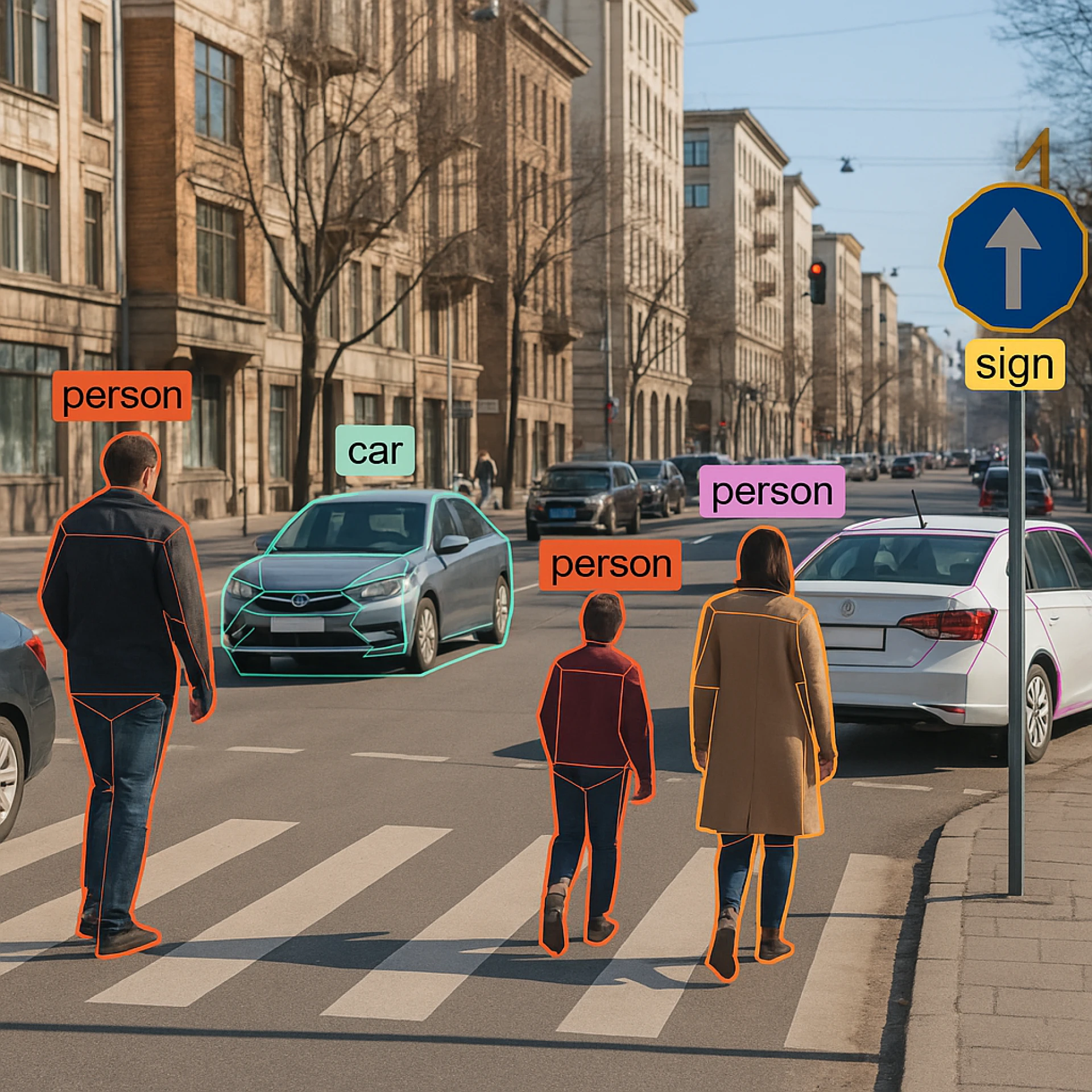
The first building block is data. AI models learn by example, so the quality and diversity of the training data have a direct impact on the results. For text generation, this may include books, news articles, blogs, and dialogue from online forums. For image generation, data might consist of labeled images, annotated scenes, or curated photo libraries.
Data must be cleaned and prepared before training. In the case of text, this includes removing duplicates, correcting errors, and ensuring consistent formatting. For images, it often involves resizing, labeling, and eliminating corrupt or poor-quality files. Biases and sensitive content must also be addressed to prevent the AI from producing harmful or offensive material.
Model Selection and Architecture
Once the data is ready, the next step is choosing the right model architecture. For text, transformer-based models have become the standard. These models process input in a way that allows them to understand the context of each word based on its surroundings. This leads to better coherence and relevance in generated content.
Image models may use diffusion models, GANs (Generative Adversarial Networks), or a combination of techniques. These models often require more computational power and more complex training pipelines. The architecture must be chosen based on the specific goal—whether the system is generating photo-realistic images, artistic styles, or abstract representations.
Some systems aim to generate both text and images together. In such cases, multimodal models are used. These are trained to understand the relationship between text and visual data, enabling the system to generate images from text prompts or captions from images.
Training Infrastructure
Training large generative models requires significant computing resources. Graphics Processing Units (GPUs) or specialized hardware like TPUs are often used. These devices allow models to process vast amounts of data quickly and handle the large number of calculations needed during training.
The infrastructure must also support distributed training, which means spreading the workload across multiple machines. This reduces training time and improves efficiency. Cloud platforms are commonly used because they offer scalability, flexibility, and access to high-performance hardware without the need for physical servers.
Careful monitoring is necessary during training to detect issues like overfitting, underfitting, or exploding gradients. Developers often use checkpoints to save the model's progress and resume training if needed.
Fine-Tuning and Optimization
After the initial training, the model is usually fine-tuned for specific tasks. For example, a general language model might be adjusted to perform better in writing product descriptions, answering customer queries, or summarizing documents. Fine-tuning helps the model specialize and deliver more accurate results in real-world scenarios.
Optimization is also necessary to reduce latency and resource usage during inference. This can involve techniques such as model quantization, pruning, and knowledge distillation. These steps make the model smaller and faster while maintaining performance.
Another part of optimization includes setting up proper APIs and user interfaces so that the model can be accessed and used easily by applications or end users.
Evaluation and Testing
Evaluation is a critical step in building any AI system. It helps determine how well the model performs and identifies areas that need improvement. For text generation, evaluation includes checking for grammatical accuracy, coherence, and relevance. For image generation, the focus is on visual quality, clarity, and how well the image matches the input prompt.
Quantitative metrics are used for comparison, such as BLEU scores for text and FID scores for images. However, human feedback is often more reliable for generative tasks. Test users can provide insights into content quality, tone, and usefulness that automated tests cannot fully capture.
Ongoing testing is essential even after deployment. AI models can behave differently with new or unseen inputs, so continuous monitoring and feedback loops help keep the system reliable and safe.
Ethical Considerations
Generative AI systems raise important ethical questions. They can be used to create misleading content, spread false information, or generate offensive material. Developers must take responsibility for how these systems are trained and deployed.
Transparent policies and usage guidelines should be established. Models should be trained on responsibly sourced data, and clear warnings or labels should accompany generated content, especially if it could be mistaken for human-produced work. Additionally, access controls can help prevent misuse.
Some teams implement filters and moderation layers to screen outputs before they reach users. These safeguards are essential when working with open-ended models that produce creative content.
Deployment and Integration
Once the model is trained, fine-tuned, and tested, it must be deployed into a production environment. This involves setting up hosting, building APIs, and integrating the model with front-end applications or platforms. Developers must ensure the system scales well under different loads and delivers content within acceptable response times.
Caching, load balancing, and failover strategies are part of a robust deployment plan. Security measures must also be in place to protect both user data and the AI system from abuse or exploitation.
The system should also support regular updates and retraining. As language and culture evolve, so must the AI. Continuous improvement ensures the system stays relevant and effective over time.
Conclusion
Building AI-driven systems that generate text and images is a complex but rewarding task. It begins with understanding how to create generative AI solutions. Then, it progresses through careful data preparation, model training, evaluation, and deployment. Each stage requires attention to detail, ethical responsibility, and a clear understanding of user needs. As generative AI continues to evolve, these building blocks will serve as the foundation for the next generation of intelligent, creative tools.































Sign in to leave a comment.