
Manufacturers are increasingly moving Product Lifecycle Management (PLM) workloads to the cloud to improve scalability, collaboration, and operational resilience. The latest advancements in Windchill software reflect this shift by introducing cloud-focused architectural improvements that help enterprises simplify deployment, strengthen security, optimize performance, and accelerate innovation. For organizations managing complex engineering environments across multiple locations, these enhancements support more efficient product development while reducing the burden of maintaining traditional on-premises infrastructure.
Why Cloud Architecture Matters for Modern PLM
Engineering organizations generate massive volumes of product data across design, manufacturing, quality, compliance, and service operations.
Traditional on-premises environments often struggle with:
- Infrastructure scalability
- Global engineering collaboration
- Disaster recovery planning
- Performance optimization
- Software maintenance
- Security updates
Modern cloud architecture addresses these challenges by providing flexible infrastructure, centralized management, and improved availability without compromising engineering governance.
For enterprises operating across North America and globally, cloud-ready Windchill software helps engineering teams access product information securely while supporting distributed product development.
Windchill Software Delivers a More Scalable Cloud Foundation
One of the most significant improvements in recent Windchill software updates is greater flexibility in cloud deployment models.
Organizations can align infrastructure with business objectives rather than maintaining a one-size-fits-all approach.
Benefits include:
Improved Infrastructure Scalability
Cloud environments can scale computing resources as engineering workloads increase.
Large assemblies, product structures, and enterprise collaboration activities no longer require extensive hardware expansion planning.
Simplified System Maintenance
Cloud-based environments reduce the operational burden associated with hardware upgrades, software patching, and infrastructure maintenance.
Engineering teams spend more time developing products instead of managing servers.
Enhanced Global Collaboration
Distributed engineering teams gain secure access to shared product information regardless of location, improving collaboration between design, manufacturing, suppliers, and quality organizations.
How Cloud Managed Services Strengthen Enterprise PLM
Many manufacturers complement Windchill software with professional cloud managed services.
Rather than maintaining complex infrastructure internally, organizations rely on experienced specialists to monitor, maintain, and optimize their PLM environments.
Cloud managed services commonly include:
- Infrastructure monitoring
- Performance optimization
- Security management
- Backup and recovery
- Patch management
- Capacity planning
- System health monitoring
This approach improves operational reliability while allowing engineering teams to remain focused on innovation and product development.
Cloud Migration Is No Longer Just an IT Initiative
Moving Product Lifecycle Management systems to the cloud affects engineering operations, business continuity, and long-term digital strategy.
Experienced cloud migration service providers help organizations minimize disruption during migration by evaluating:
Existing Infrastructure
Understanding legacy environments helps identify migration risks before implementation begins.
Product Data Quality
Clean engineering data improves migration accuracy and long-term system performance.
Integration Dependencies
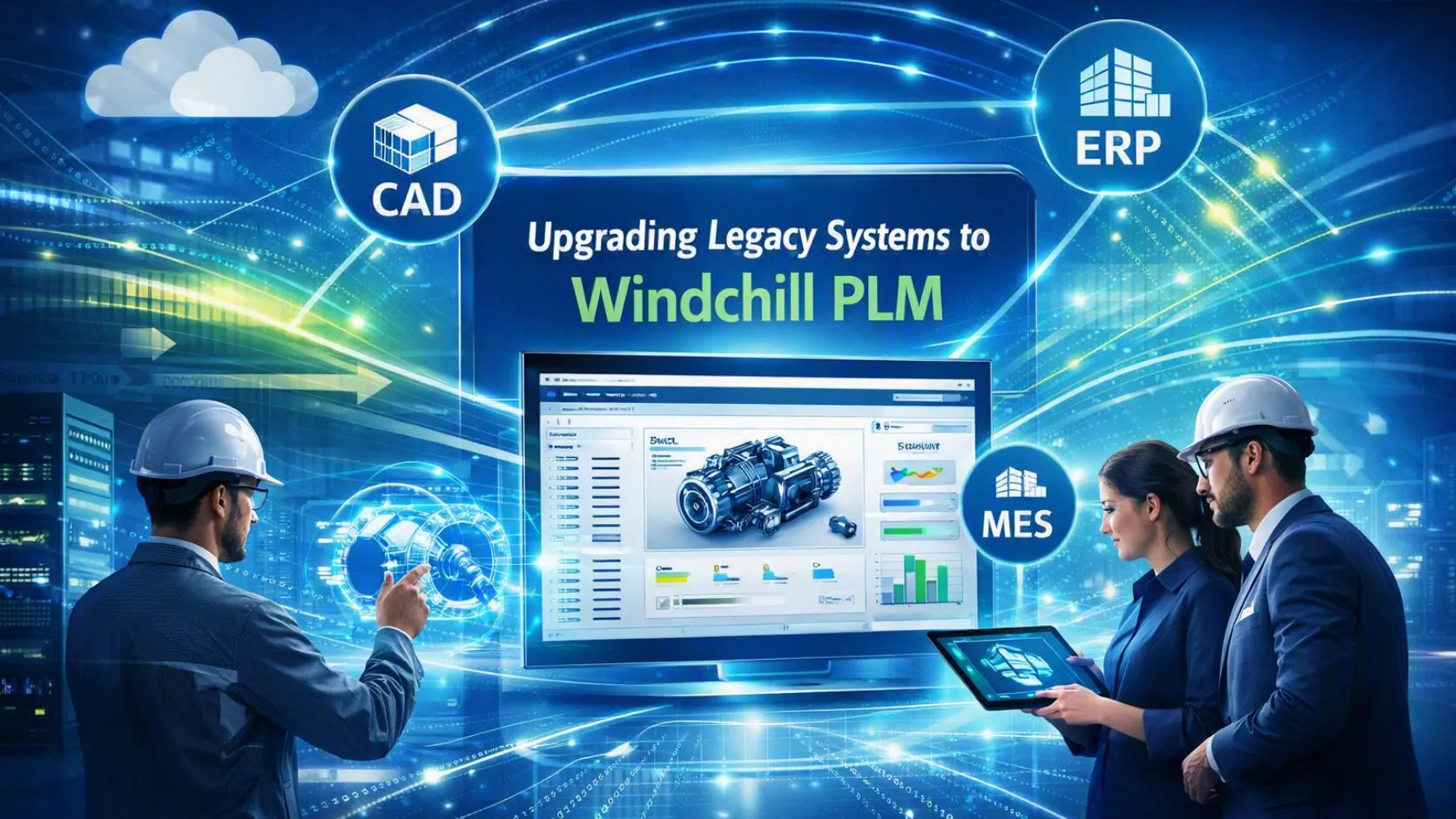
Organizations often connect PLM with ERP, CAD, Manufacturing Execution Systems (MES), and quality platforms.
Successful migration requires careful validation of these integrations.
Change Management
Cloud migration also involves user adoption, governance updates, and process standardization to ensure business continuity.
The Importance of PLM Implementation Services
Cloud architecture alone does not guarantee successful deployment.
Professional PLM implementation services help organizations configure Windchill software according to engineering workflows, regulatory requirements, and enterprise governance standards.
Typical implementation activities include:
- Requirements analysis
- System configuration
- Data migration
- Workflow customization
- Security configuration
- User training
- Validation and testing
- Go-live support
Organizations that combine implementation expertise with cloud planning generally achieve smoother deployments and stronger long-term adoption.
Why ALM Integration Solutions Matter
Engineering organizations increasingly develop products that combine mechanical, electrical, and software components.
As software becomes integral to product functionality, Product Lifecycle Management and Application Lifecycle Management must work together.
Modern ALM integration solutions enable organizations to connect engineering requirements, software development, testing, and product lifecycle information within a unified digital environment.
Benefits include:
- Improved requirements traceability
- Better engineering collaboration
- Faster change management
- Stronger configuration control
- Enhanced product quality
This integration supports digital thread initiatives by connecting product development information across engineering disciplines.
Practical Example: Modernizing a Global Medical Device Manufacturer
A multinational medical device manufacturer operates separate PLM environments across North America and Europe.
Growing engineering teams experience inconsistent data access, infrastructure maintenance challenges, and limited collaboration between product development groups.
The organization adopts the latest cloud-enabled Windchill software architecture while partnering with experienced consultants for migration and implementation.
The project includes:
- Infrastructure modernization
- Product data validation
- Workflow standardization
- Cloud deployment
- ALM integration
- Performance optimization
The result is improved engineering collaboration, simplified infrastructure management, and greater operational consistency across global teams.
Choosing the Right Windchill Software Partner
Selecting the right technology partner is as important as selecting the software itself.
Organizations should evaluate providers based on:
- Enterprise PLM expertise
- Cloud architecture experience
- Migration capabilities
- PLM implementation services
- Cloud managed services
- ALM integration knowledge
- Manufacturing industry experience
- Long-term technical support
An experienced implementation partner helps organizations maximize the value of their PLM investment while reducing deployment risk.
Organizations evaluating enterprise Product Lifecycle Management solutions can explore Windchill software capabilities, deployment options, and implementation expertise to support cloud modernization initiatives.
Cloud-Enabled PLM vs. Traditional On-Premises Deployment
Both deployment models have advantages, but their suitability depends on business objectives.
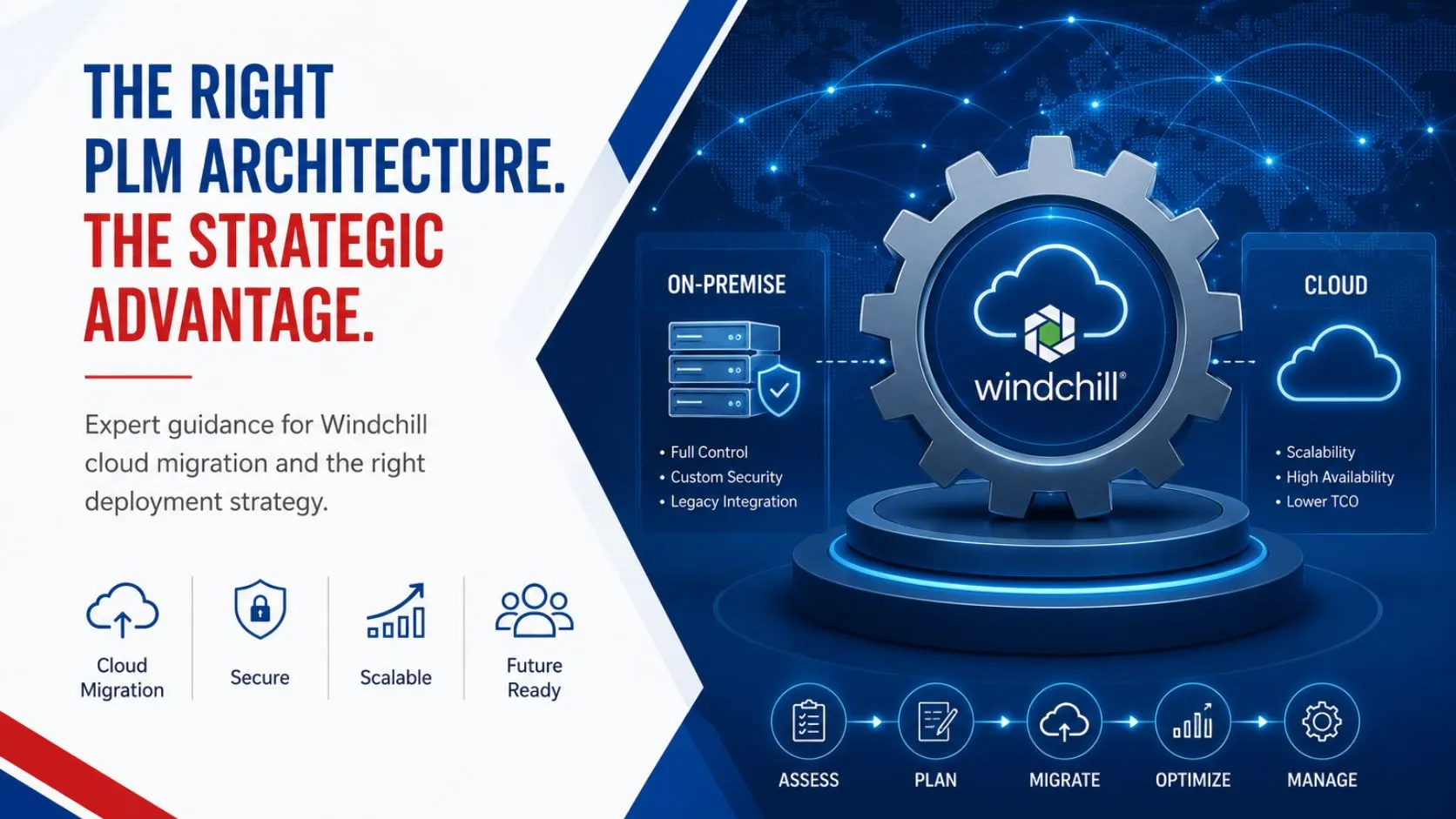
Traditional on-premises deployments provide direct infrastructure control and may align with specific organizational policies. However, they often require greater investment in hardware, maintenance, scalability, and disaster recovery.
Cloud-enabled Windchill software offers improved scalability, simplified maintenance, flexible resource allocation, and easier support for distributed engineering teams. Organizations pursuing digital transformation often favor cloud architectures because they enable faster adaptation to changing business requirements while reducing infrastructure complexity.
Future Outlook
Cloud-native engineering platforms continue to evolve as manufacturers pursue greater automation, digital thread adoption, and enterprise-wide collaboration.
Future enhancements are expected to focus on stronger cloud interoperability, expanded automation capabilities, enhanced security, and deeper integration with digital engineering ecosystems.
Organizations investing in modern cloud architectures today position themselves to adopt future innovations with less operational disruption.
Conclusion
The latest cloud architecture enhancements in Windchill software demonstrate how enterprise PLM continues to evolve beyond traditional infrastructure models. Improved scalability, simplified management, stronger collaboration, and enhanced integration capabilities enable manufacturers to modernize product development while supporting long-term digital transformation strategies.
When combined with experienced cloud migration service providers, PLM implementation services, cloud managed services, and ALM integration solutions, organizations can build resilient engineering environments that support innovation, operational efficiency, and sustainable business growth.
Frequently Asked Questions
1. What is Windchill software?
Windchill software is an enterprise Product Lifecycle Management platform that manages product data, engineering collaboration, configuration control, and lifecycle processes throughout product development and manufacturing.
2. Why are organizations moving Windchill software to the cloud?
Cloud deployment improves scalability, system availability, collaboration, and infrastructure flexibility while reducing the operational effort required to maintain on-premises environments.
3. What do cloud managed services provide for Windchill?
Cloud managed services include infrastructure monitoring, security management, system maintenance, performance optimization, backup, disaster recovery, and ongoing operational support for enterprise PLM environments.
4. Why are PLM implementation services important?
PLM implementation services ensure Windchill software is configured according to business processes, engineering workflows, security requirements, and organizational objectives, improving adoption and long-term system performance.
5. How do cloud migration service providers reduce implementation risk?
Cloud migration service providers assess infrastructure, validate engineering data, plan integrations, and coordinate migration activities to minimize downtime and maintain business continuity.
6. What are ALM integration solutions?
ALM integration solutions connect Product Lifecycle Management with Application Lifecycle Management, improving traceability, engineering collaboration, software governance, and digital thread continuity across multidisciplinary product development.
7. Which industries benefit most from cloud-enabled Windchill software?
Industries such as Aerospace & Defense, Automotive, Medical Devices, Life Sciences, and Industrial Manufacturing benefit from cloud-enabled PLM by improving collaboration, scalability, engineering governance, and product lifecycle visibility.






















Sign in to leave a comment.