

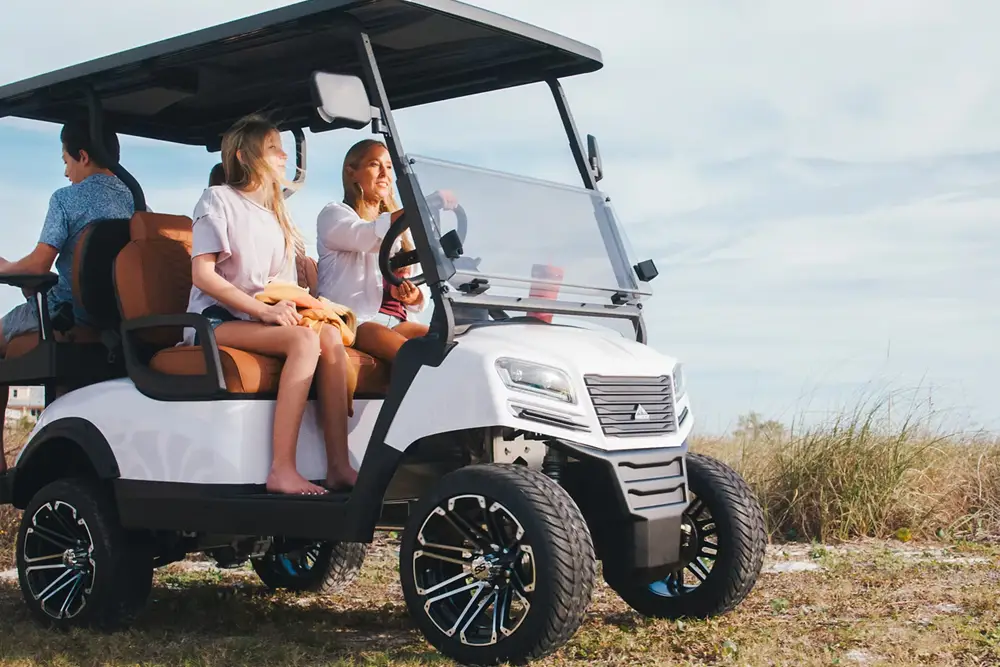
Low speed vehicles (LSVs) have become an increasingly popular choice for short‑distance transportation across the United States — and Colorado is no exception. With an abundance of planned communities, private properties, resort towns, and neighborhoods that favor relaxed travel, LSVs provide a practical, eco‑friendly alternative to traditional vehicles for local errands, community cruising, and property navigation.
In addition to offering cost savings and utility, LSVs help reduce traffic congestion and emissions in settings where full‑size car travel isn’t necessary. Whether you’re new to the concept or considering your first purchase, it’s important to understand how these vehicles work, where you can use them, and what legal requirements apply.
What Is a Low Speed Vehicle (LSV)?
Under federal and most state laws, a low speed vehicle is a four‑wheeled electric vehicle with a top speed between 20 and 25 miles per hour. To be considered street legal, an LSV must include specific safety equipment such as:
- Headlights and taillights
- Turn signals
- Brake lights
- Horn
- Seat belts
- Windshield
- Rear‑view mirrors
When properly equipped, an LSV can be registered and legally driven on roads with speed limits up to 35 mph — a major benefit for those who want to use their vehicle beyond private property.
Where Can You Drive an LSV in Colorado?
Colorado residents often wonder where they can legally drive their low speed vehicles. The state law aligns with federal standards, allowing LSVs on roads with posted speed limits up to 35 mph, provided the vehicle meets equipment and registration requirements. Some municipalities also have additional rules, so it’s wise to check local ordinances before cruising public streets.
Colorado’s varied communities — from mountain towns to urban neighborhoods — sometimes adopt their own additional restrictions or pathways where LSVs are allowed, so understanding both state and city codes is key to staying compliant.
Everyday Uses for LSVs in Colorado
Low speed vehicles in Colorado are versatile vehicles that fit a wide range of purposes, including:
Neighborhood Mobility:
In communities with lower speed limits or designated cart routes, LSVs make errands, social visits, and short trips more convenient.
Private Properties and Campuses:
Ranch and farm owners, commercial campuses, and large estates benefit from the simple maneuverability and utility of LSVs.
Resort and Recreational Areas:
Many resorts and vacation communities use LSVs to transport guests and staff efficiently and quietly around property grounds.
Eco‑Friendly Commuting:
Electric LSVs produce zero tailpipe emissions, making them cleaner alternatives for short outings compared to traditional gas vehicles.
Choosing the Right LSV for Your Needs
Deciding which LSV to buy depends on how you plan to use it:
- Range and Battery Type: If you’ll travel longer distances between charges, look for models with higher‑capacity batteries.
- Seating Capacity: Two‑seat models work well for solo users; four‑seat and six‑seat configurations are great for family or group travel.
- Comfort and Features: Options like digital displays, onboard charging ports, LED lighting, and upgraded seating add convenience and enjoyment.
- Accessories and Storage: Cargo beds, lift kits, and weather enclosures can make your LSV more functional for everyday tasks.
Considering your most common use cases first helps you choose a configuration that saves money and fits your lifestyle.
Legal and Safety Considerations
Registration and Insurance:
Before driving an LSV on public roads, most Colorado communities require registration and liability insurance, similar to other motor vehicles.
Safety Equipment:
Even if you plan to use your LSV mainly on private property, having proper lights, mirrors, and seat belts enhances safety for all riders.
Local Ordinances:
Cities and towns sometimes adopt stricter rules around where and how LSVs may be operated. Always check local codes or consult with municipal offices if you’re unsure.
Maintenance Tips for Long‑Term Reliability
Owning an LSV means staying on top of routine service just like you would with any vehicle. Key areas to monitor include:
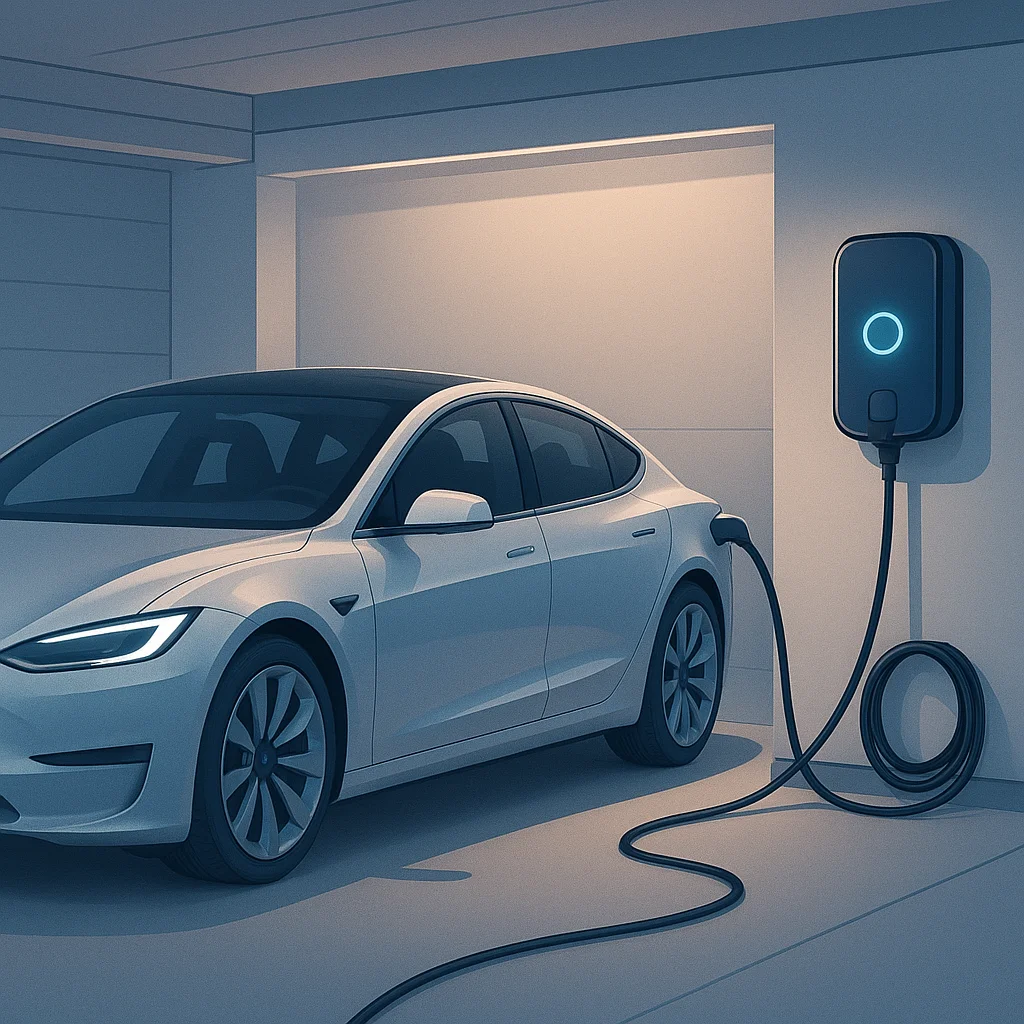
- Battery Care: Keep batteries charged and maintained according to manufacturer recommendations.
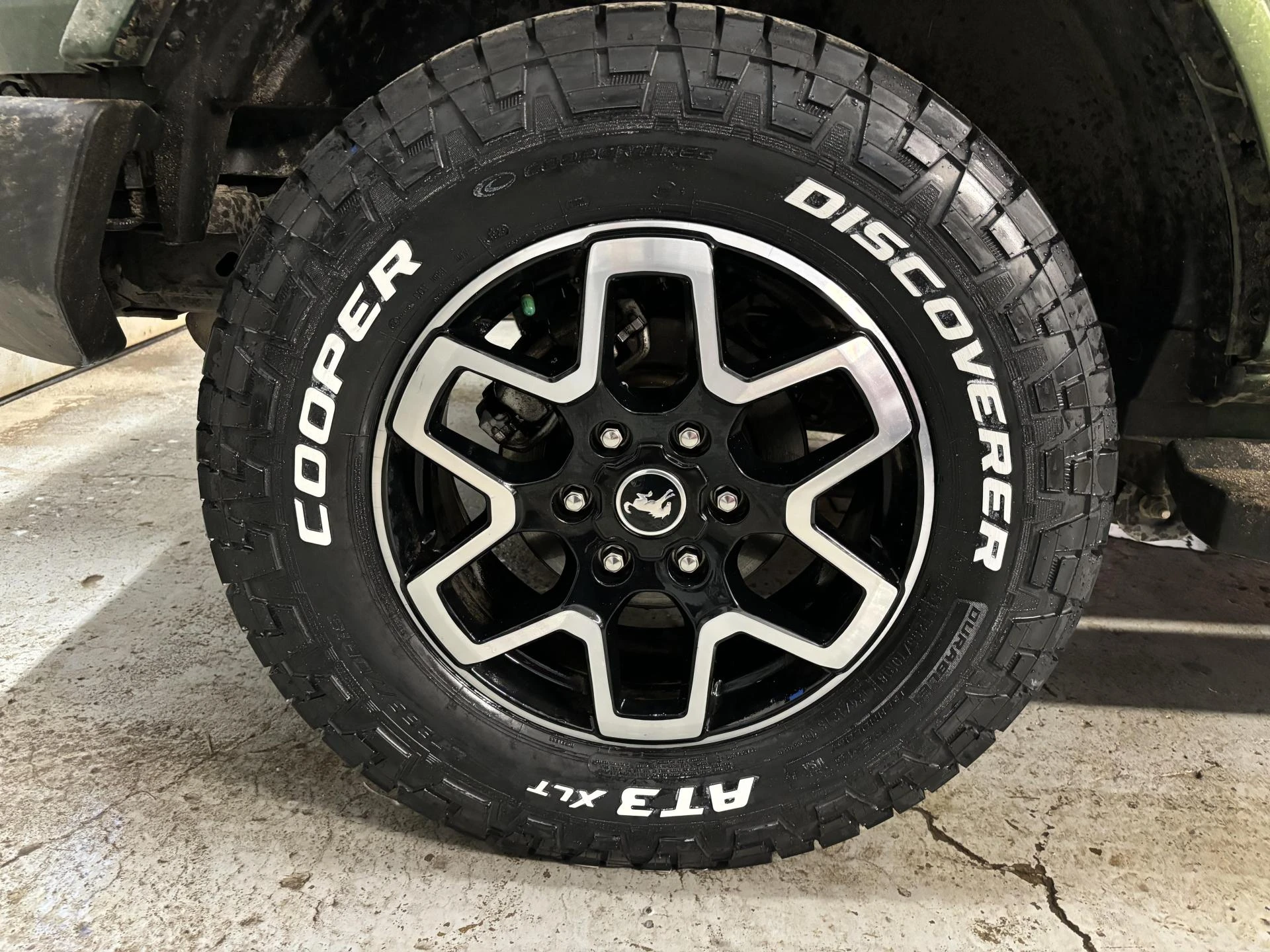
- Brakes and Tires: Inspect regularly for wear and proper performance.
- Electrical Systems: Ensure lights, signals, and displays work properly, especially if you drive on public roads.
- Clean Components: Keeping electrical connections and moving parts clean helps extend vehicle life and reliability.
Routine checks make your LSV safer, more efficient, and more enjoyable over time.
Final Thoughts
Low speed vehicles offer Colorado residents a smart, eco‑friendly approach to short‑distance transportation. From neighborhood mobility to property work and recreational outings, they provide value, convenience, and fun in ways traditional cars can’t always match.
Understanding where you can drive, what equipment you need, and how to choose the right model ensures you get the most out of your LSV experience — and enjoy every ride with confidence.




























Sign in to leave a comment.