

In the fast-paced world of technology, mobile devices have become an integral part of our daily lives. Whether it's browsing the internet, shopping, or using apps, mobile experiences greatly impact our interactions with digital content. Mobile UI/UX design focuses on creating seamless and engaging experiences for users on smartphones and tablets. This article explores the significance of mobile UI/UX design, its key elements, principles, challenges, and future trends.
The Significance of Mobile UI/UX Design
Mobile-First Approach
With the ever-increasing number of mobile users, adopting a mobile-first approach in design ensures that websites and applications are optimized for mobile devices from the outset.
Enhanced User Engagement
A well-crafted mobile UI/UX design captivates users, encouraging them to spend more time on the platform and increasing the chances of conversion and brand loyalty.
Brand Loyalty and Recognition
A consistent and delightful mobile experience reinforces brand identity, making users more likely to remember and return to the platform.
Key Elements of Mobile UI/UX Design
Responsive Layouts
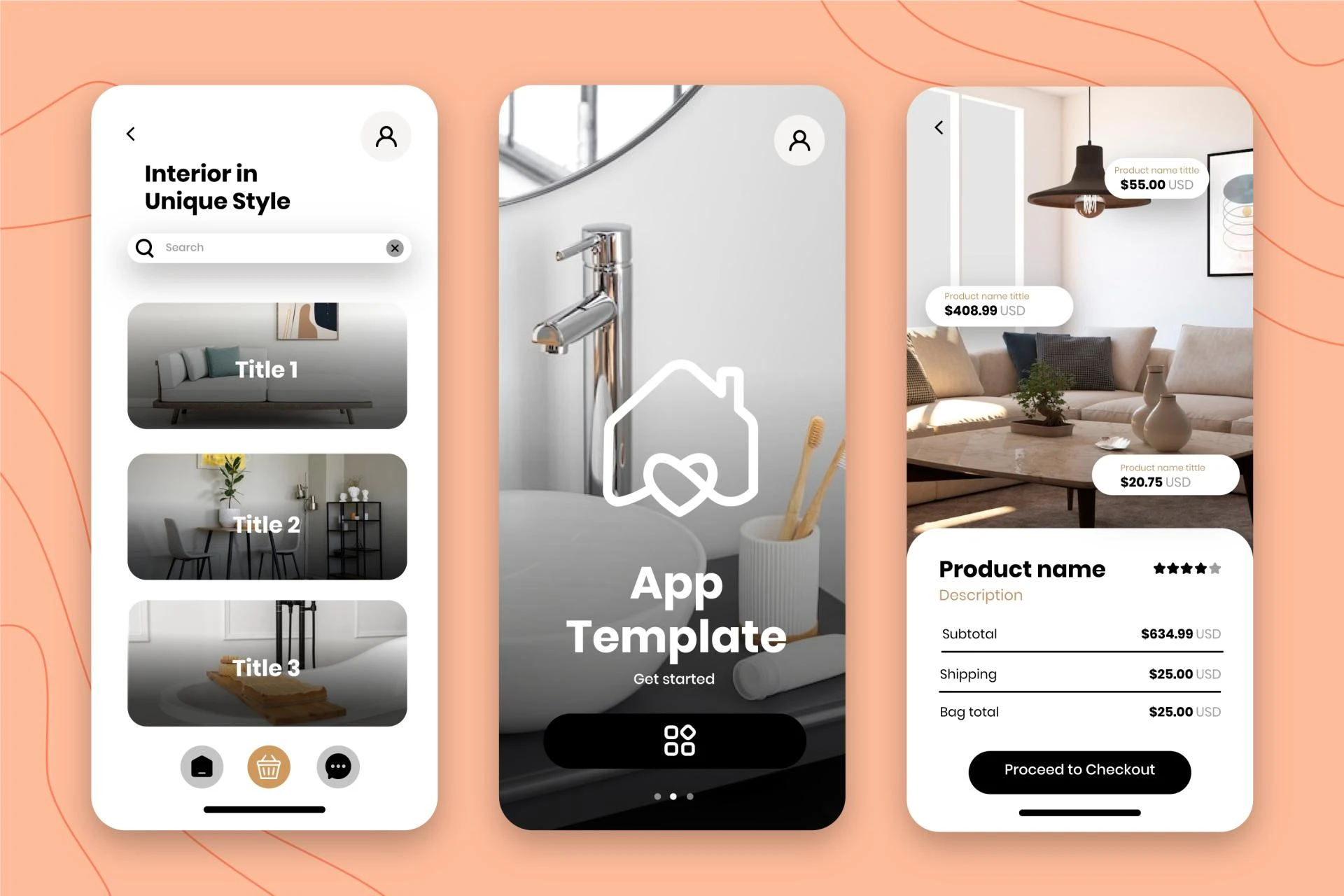
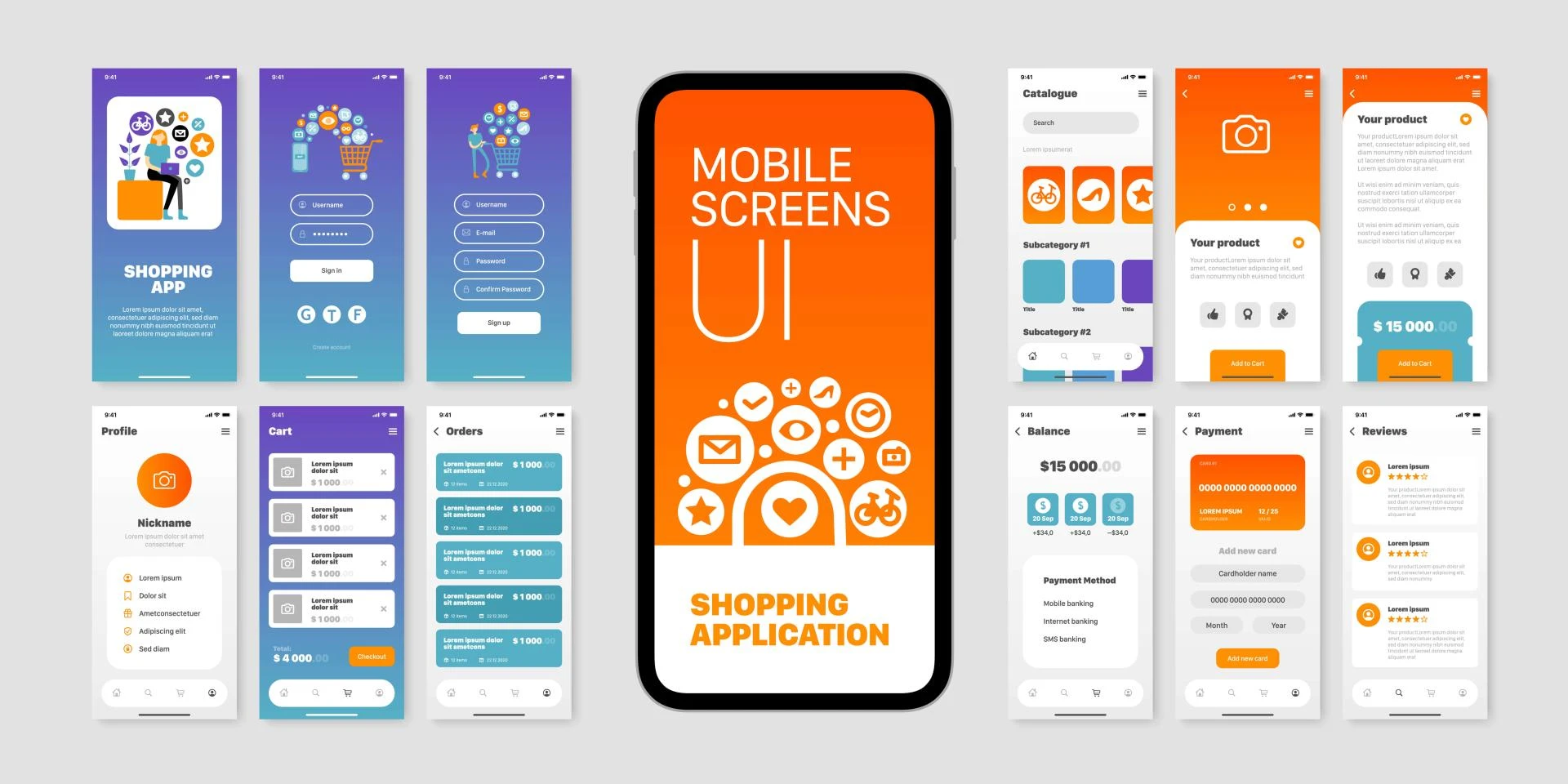
Creating responsive designs allows content to adapt seamlessly to various screen sizes and orientations, providing a consistent experience across devices.
Intuitive Navigation
Simple and intuitive navigation ensures that users can effortlessly find what they are looking for, reducing frustration and bounce rates.
Consistent Branding
Consistency in branding elements, such as logos, colors, and typography, fosters brand recognition and reinforces the overall brand experience.
Touch-Friendly Interfaces
Mobile UI/UX design incorporates touch-friendly elements, making it easy for users to interact with the platform using gestures.
Mobile Gestures Integration
Incorporating familiar mobile gestures, like swiping and pinching, enhances the overall user experience and adds a touch of interactivity.
Principles of Mobile UI/UX Design
Simplified Design
Simplicity in mobile design reduces cognitive load and allows users to complete tasks efficiently.
Clear Call-to-Actions
Prominent and clear call-to-action buttons guide users towards desired actions, such as making a purchase or signing up.
Minimize User Effort
Streamlining processes and minimizing the number of steps required to complete tasks ensures a smoother user experience.
Performance and Speed Optimization
Mobile users expect quick load times and smooth interactions. Optimizing performance is essential to keep users engaged.
Accessibility and Inclusivity
Mobile UI/UX design should be inclusive, considering users with diverse abilities and ensuring everyone can access the content easily.
Challenges in Mobile UI/UX Design
Limited Screen Real Estate
Designing for small screens demands careful consideration of layout and prioritization of content.
Device Fragmentation
The vast array of mobile devices with different screen sizes and resolutions poses challenges in maintaining consistency across all platforms.
Data Security and Privacy Concerns
Mobile UI/UX designers must address data security and privacy issues to build trust with users.
Cross-Platform Compatibility
Designing for multiple platforms (iOS, Android, etc.) requires adaptability and thorough testing.
Mobile-Web vs. Mobile App
Deciding between a mobile-friendly website and a dedicated app involves understanding user needs and business goals.
Current Trends in Mobile UI/UX Design
Dark Mode
Dark mode has gained popularity for its aesthetics and battery-saving benefits.
Voice User Interface (VUI)
Voice-activated interfaces offer a hands-free and convenient user experience.
Augmented Reality (AR) and Virtual Reality (VR)
AR and VR technologies create immersive and interactive experiences for users.
Microinteractions
Subtle animations and interactions add a layer of engagement to the mobile experience.
Thumb-Friendly Navigation
Designing for the natural movement of thumbs on mobile devices enhances usability.
The Future of Mobile UI/UX Design
The future of mobile UI/UX design is exciting, with advancements in technology paving the way for more personalized, context-aware, and immersive experiences.
Conclusion
In conclusion, mobile UI/UX design plays a pivotal role in shaping how users interact with digital content on mobile devices. By adhering to key principles, incorporating touch-friendly interfaces, and staying abreast of current trends, designers can create experiences that leave a lasting impression on users. As technology continues to evolve, mobile UI/UX design will undoubtedly play a crucial role in delivering seamless and delightful experiences on the go.
Visit my Upwork profile for - UI/UX design, Web design & Mobile design






























Sign in to leave a comment.