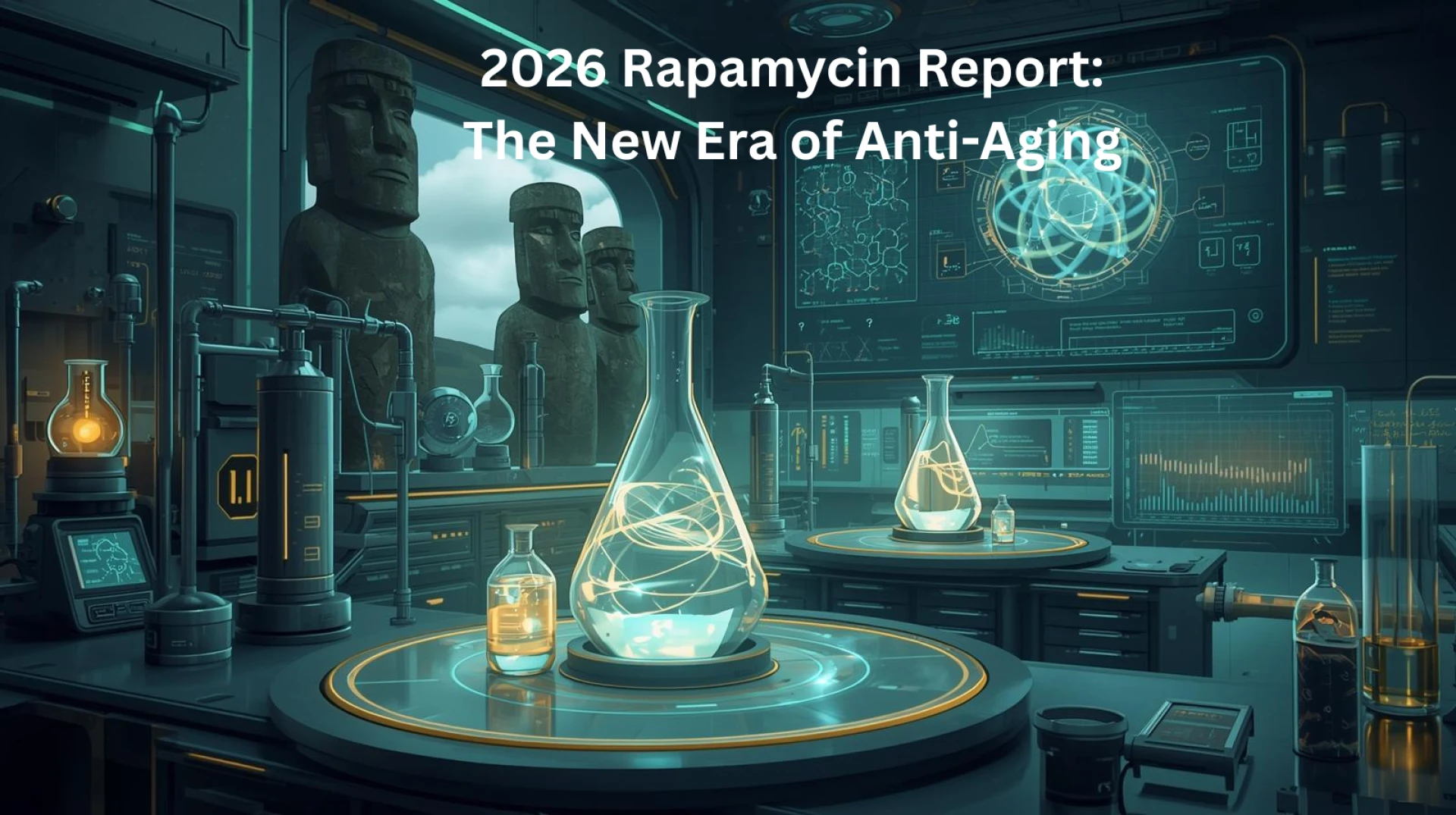

The science of longevity has quietly crossed a threshold — and one molecule is leading the charge.
Until recently, the idea of a pill that slows aging belonged firmly in the realm of science fiction. In 2026, that boundary has blurred considerably. Across research institutions, biohacking communities, and the corridors of Silicon Valley, one compound has risen to the center of a genuinely serious conversation: Rapamycin.
Discovered decades ago in the volcanic soil of Easter Island, this molecule was originally developed as an immunosuppressant for organ transplant patients. Today, it has been repurposed into something far more provocative — a candidate for one of medicine's oldest ambitions: slowing the biological clock.
So what does the current science actually say? And is any of this ready for prime time?
The Biology Behind the Buzz: What Rapamycin Actually Does
To understand why researchers are excited, you need to understand one protein: mTOR.
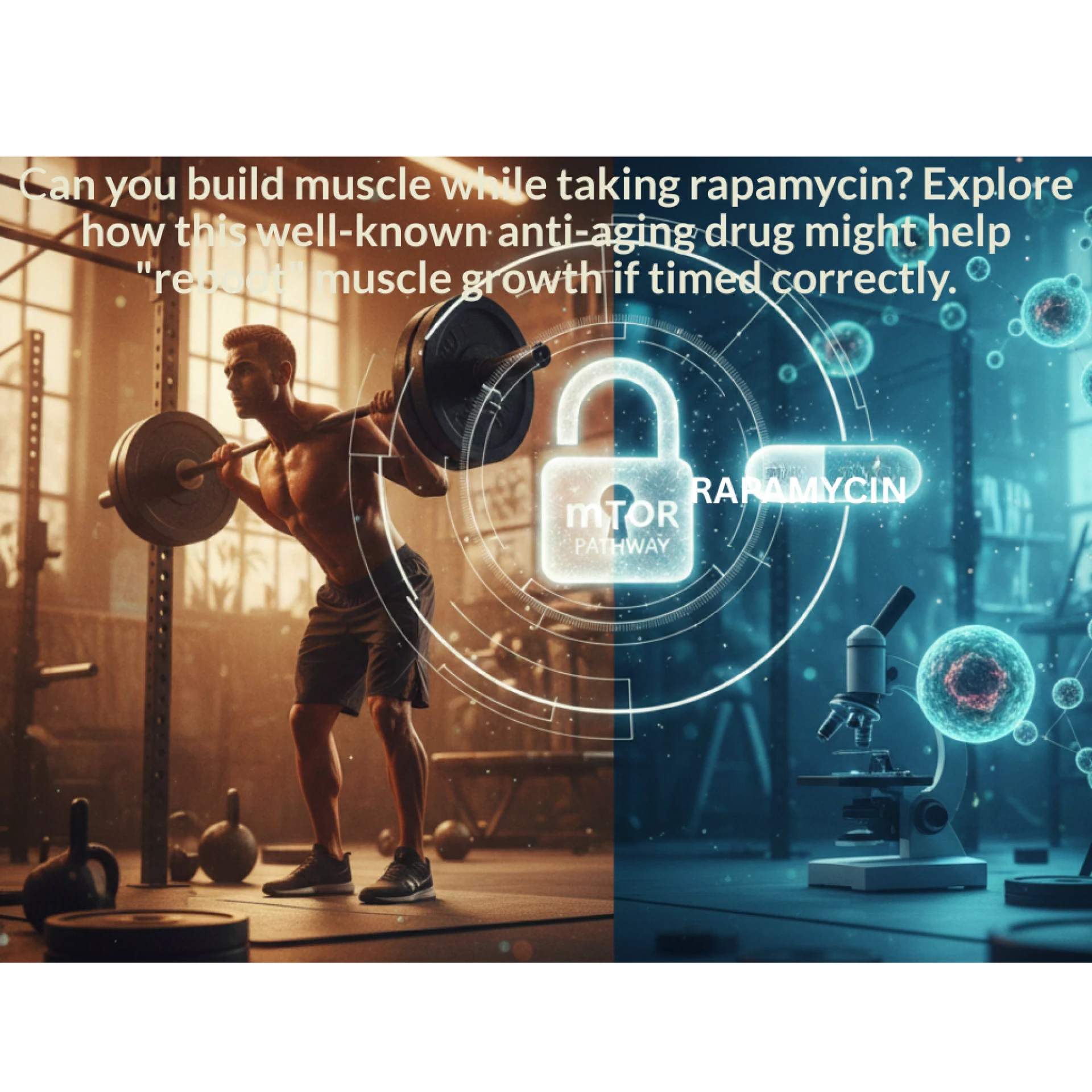
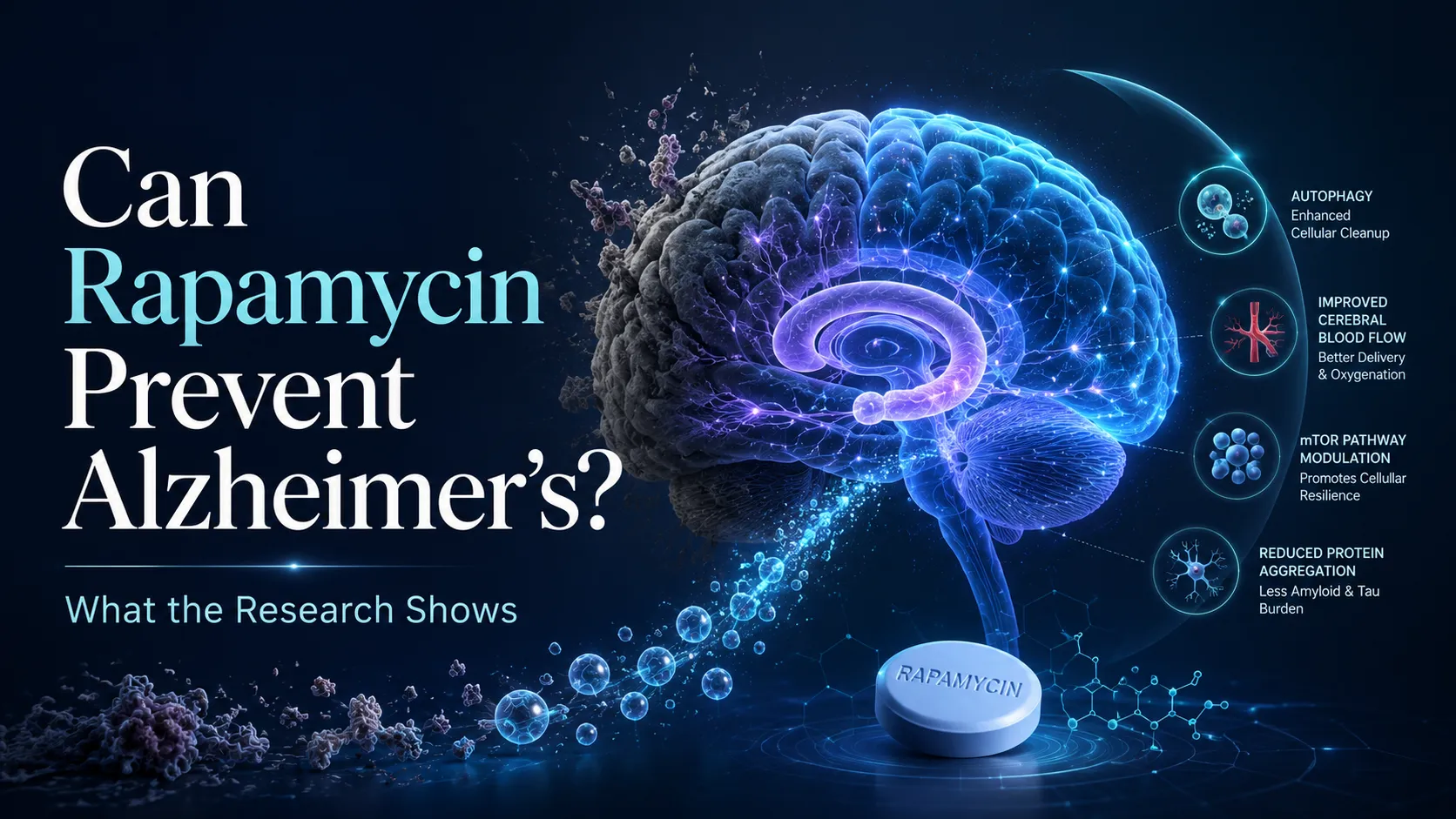
mTOR functions as a master switch inside your cells, toggling between two modes — growth and repair. When mTOR is active, your cells build, divide, and expand. When it's inhibited, your cells shift into maintenance mode, breaking down damaged components and recycling cellular waste. This self-cleaning process is called autophagy, and it plays a central role in how quickly — or slowly — we age.
The problem is that modern life keeps mTOR switched on almost constantly. Frequent eating, sugar consumption, chronic stress — all of it signals your body to keep growing rather than repairing. Over decades, the accumulated damage adds up.
Rapamycin partially inhibits mTOR, gently nudging the balance toward repair. Think of it less as a drug and more as a recalibration — a way of giving your cells the cleanup time they rarely get.
The PEARL Trial: What 2026's Landmark Study Revealed
The most significant development this year is the publication of results from the PEARL trial — Participatory Evaluation of Aging with Rapamycin for Longevity — one of the first rigorously designed human studies to examine Rapamycin specifically through a longevity lens.
The findings are nuanced, and importantly, they differ between men and women.
In female participants, the data addressed one of the field's longstanding concerns — the fear that mTOR inhibition might accelerate muscle loss. Instead, the opposite emerged:
- Slower progression of sarcopenia (age-related muscle loss), particularly in post-menopausal women
- Reduced collagen breakdown, with measurable improvements in skin elasticity
- Lower systemic inflammation, resulting in improved joint comfort and mobility
In male participants, the benefits appeared in a different cluster:
- Significant reduction in visceral fat — the metabolically dangerous fat stored around internal organs
- Improved arterial flexibility, a key marker for long-term cardiovascular health
- Reduced cognitive fatigue and improved sustained concentration
Neither set of results is a cure. But both suggest that Rapamycin is doing something meaningful at the cellular level — and doing it differently depending on hormonal and metabolic context.
Why Nobody Takes It Daily Anymore
Early enthusiasm for Rapamycin was tempered by a legitimate concern: at the doses used in transplant medicine, it suppresses the immune system. Daily use raised understandable red flags.
By 2026, the field has largely moved past this problem — not by abandoning the drug, but by rethinking how it's taken. The current standard is an intermittent, low-dose protocol, typically administered once per week. This approach appears to preserve the longevity-related benefits while allowing the immune system to recover and function normally between doses.
It's a small shift in protocol with significant implications. The risk profile that once made Rapamycin controversial for healthy adults looks considerably different under these conditions.
The Most Exciting Frontier: Rapamycin and Acarbose Together
Perhaps no development has generated more discussion in longevity circles this year than the emerging Rapamycin-Acarbose combination.
Acarbose is a decades-old diabetes medication that works by slowing the absorption of carbohydrates, blunting post-meal blood sugar spikes. On its own, it has shown modest lifespan-extending effects in animal studies. Combined with Rapamycin, the results have been striking — preclinical data suggests lifespan extensions exceeding 30% in some models.
Whether those numbers translate meaningfully to humans remains an open question. But the mechanistic logic is compelling: one compound addresses cellular repair signaling, the other addresses metabolic load. Together, they may target aging from two distinct angles simultaneously.
A Measured Conclusion: Not Immortality, But Something Real
It would be easy — and irresponsible — to overstate what Rapamycin can do. It is not an immortality pill. It does not reverse damage already done. And like any compound that operates at the level of core cellular machinery, it carries risks that demand medical supervision and careful consideration.
What it does represent, however, is something genuinely significant: scientific evidence that the rate of biological aging can be modulated in humans. Not in theory. Not in worms or mice alone. In people.
For anyone over 40 thinking seriously about healthspan — not just lifespan, but the quality of the years ahead — Rapamycin has earned a place in that conversation. The 2026 data doesn't answer every question. But it makes clear that the right questions are finally being asked.



























Sign in to leave a comment.