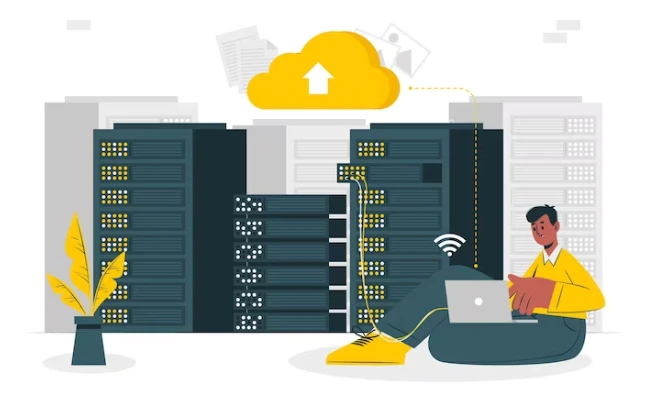

As data continues to grow at an unprecedented rate, organizations are faced with the challenge of managing and storing this data in a secure and reliable manner. Modern businesses require storage solutions that offer scalability, flexibility, and reliability. However, with the rapid pace at which technology advances, navigating the landscape of modern network storage solutions can be overwhelming. In this blog post, we'll explore the different types of NAS storage solutions available and how to choose the right one for your business needs.
What is Network-Attached Storage (NAS)?
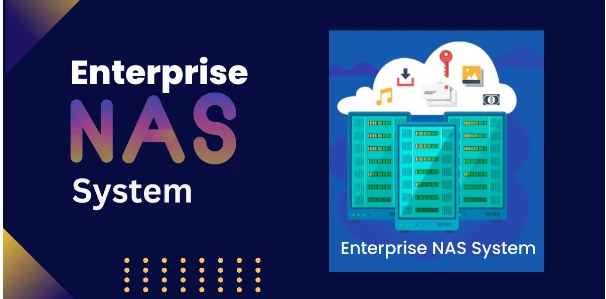
Network-Attached Storage (NAS) is a type of storage solution that allows multiple users to access data simultaneously. NAS devices connect to the network and provide file-level access to data, making it easy for users to share files, store backups, and collaborate on projects.
One of the key benefits of NAS is its flexibility. Businesses can scale up their storage capacity by adding drives to the system, and data can be easily backed up to another NAS device or cloud storage.
Types of NAS Storage Solutions
There are several types of NAS storage solutions available, and each offers its unique benefits. Some of the popular types of NAS include:
Traditional NAS: This type of NAS provides basic file sharing capabilities and is suitable for small businesses with limited data storage needs.High-Performance NAS: This type of NAS is suitable for businesses that require high-speed access to data. High-performance NAS devices typically have high-end hardware components, such as advanced CPUs and multiple Gigabit Ethernet ports, which allow for faster data transfer speeds.Scale-Out NAS: Scale-Out NAS is ideal for businesses with data storage needs that are expected to grow rapidly. This type of NAS allows you to add storage capacity as needed, allowing the system to scale as the business grows.Factors to Consider When Choosing NAS Storage Solutions
Choosing the right NAS storage solution can be confusing, especially with the sheer number of options available. Here are some factors to consider when choosing a NAS device:
Capacity: The amount of storage capacity required is a critical factor to consider. The NAS device should have enough capacity to meet current and future data storage needs.Performance: Depending on the business requirements, factors such as disk speed, memory, and number of network ports can impact performance.Connectivity: NAS storage solutions should have multiple connectivity options, such as Ethernet, iSCSI, and Fibre Channel, to ensure compatibility with various systems.Benefits of NAS Storage Solutions
There are many benefits to using NAS storage solutions, including-
Cost-Effective: NAS is a cost-effective storage solution for businesses with limited IT budgets.Scalability: NAS solutions can be scaled up or down as required, making them perfect for businesses with fluctuating data storage needs.Accessibility: NAS enables businesses to access data from anywhere, at any time.Conclusion
In conclusion, amidst the myriad options in modern network storage, the right choice for businesses' data storage needs lies in understanding NAS systems. Selecting an apt NAS storage solution entails thoughtfully evaluating capacity, performance, and connectivity factors. By embracing a NAS system, enterprises unlock inherent advantages of flexibility, scalability, and accessibility, propelling them towards growth and accomplishment.

































Sign in to leave a comment.