

In recent years, NAS storage has gained significant popularity owing to the explosion of data generated by businesses and individuals. This storage solution empowers organizations to efficiently manage and access their data from a central location, providing an effective means of storing and sharing files. NAS storage systems comprise various components, each fulfilling a vital role in the overall functionality of the system. In this comprehensive guide, we will delve into the intricacies of NAS storage components and elucidate how they collaborate to deliver efficient data storage and retrieval.
To grasp the fundamentals of a network-attached storage system, it is imperative to answer the question, "What is NAS storage?" NAS, short for Network Attached Storage, represents a specialized storage device connected to a network, typically via an Ethernet connection. Its primary purpose is to furnish centralized data storage and facilitate file sharing services among multiple users or devices within the network. NAS storage brings forth numerous advantages, including scalability, data redundancy, and streamlined access. Let us delve deeper into the mechanics of NAS storage and explore how it can revolutionize data management for your organization.
Hard drives
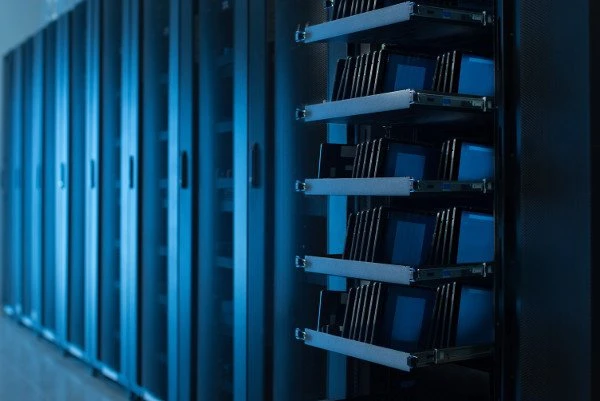
The primary component of NAS storage is the hard drives, which are used to store data. These drives are usually connected to the NAS device, either internally or through external USB ports. They can range from one disk to dozens of drives in one unit, depending on storage needs. The capacity of these drives can also vary, from a few terabytes to dozens of terabytes. Typically, NAS drives are designed for continuous operation and reliability, with some featuring additional firmware and hardware to improve their performance.
Network Interface Cards (NICs).
Another important component of NAS storage is the NICs that enable the NAS device to communicate with other devices on the network. NICs come in different types, including Ethernet, wireless, and fibre optic. Ethernet NICs are the most common as they provide high-speed connectivity over standard Ethernet cables. The number of NICs on a NAS device can vary, depending on the number of simultaneous users and the level of redundancy required.
Central Processing Unit (CPU)
NAS devices use CPUs to handle heavy workloads related to data management and network communication. The CPU is responsible for processing data, managing file systems, and executing network protocols. The power and speed of the CPU can vary from entry-level processors to high-performance server-grade CPUs. The CPU also plays a crucial role in the overall performance of the NAS device, as it determines how fast the system can respond to user requests.
Random Access Memory (RAM)
RAM is used to store data and files temporarily while they are being accessed or worked on. This component ensures that the NAS device can quickly retrieve and provide data to users, without having to refresh the hard drive for every request. The amount of RAM in NAS Devices can vary, depending on the number of users and the level of performance required. Some high-end NAS devices come with expandable RAM slots to increase their capacity.
Operating system (OS)
The final component of NAS storage is the operating system that runs on the device. The operating system provides a graphical user interface that allows users to interact with the system, manage files, and configure network settings. Some NAS devices come with pre-installed operating systems, while others allow you to install your preferred OS. Some popular operating systems that support NAS storage include FreeNAS, Synology DSM, and Windows Storage Server.
Conclusion
NAS solutions have evolved into essential tools, serving both businesses and individuals in their quest for efficient data storage and access. The NAS ecosystem comprises several pivotal components, including hard drives, Network Interface Cards (NICs), a Central Processing Unit (CPU), Random Access Memory (RAM), and an operating system (OS). These integral elements work in tandem to streamline data management and bolster network connectivity.
Understanding the nuances of these critical components becomes paramount when considering a NAS solutions investment. Should you be contemplating such a venture, seeking advice from experts well-versed in NAS systems can prove invaluable in selecting the components that align with your organization's distinct storage needs.




























Sign in to leave a comment.