
In today's data-driven world, businesses need a reliable and efficient way to store, access, and share data across their network. This is where Network Attached Storage (NAS) comes in – a dedicated storage device that allows for centralized data storage and remote access. NAS offers a range of benefits such as scalability, data protection, ease of use, and cost-effectiveness. In this comprehensive guide, we will cover everything you need to know about NAS, including how it works, different types of NAS devices, features to consider when choosing a NAS device, and how to set up a NAS device for your business.
Understanding NAS
A NAS device is a storage server that is designed to store and manage data, applications, and media files. Network Attached Storage devices connect to a network and act as an independent storage device. It offers a file-sharing protocol such as SMB, NFS, or AFP, which allows users to access files from multiple devices on the network. Some NAS devices also provide advanced features such as integrated backup, media streaming, and app hosting.
Types of NAS Devices
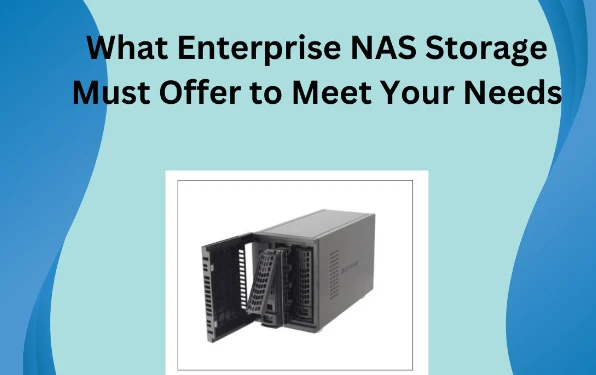
NAS devices come in a variety of sizes and shapes, depending on the needs of the business. Some NAS devices are designed for home users with low storage and processing requirements, while others are specially designed for large enterprises with heavy data workloads. There are three main types of NAS devices – desktop, rack-mounted, and blade. Desktop NAS is the most popular type of NAS as it is easy to install and requires minimal setup. Rack-mounted and blade NAS devices are designed for larger businesses and offer more customization, scalability, and performance.
Features to Consider When Choosing a NAS Device
When choosing a NAS device, it is essential to consider the storage capacity, processing power, connectivity options, and software features. Storage capacity is usually measured in terabytes (TB), and you should choose an enterprise NAS device based on your current and future storage needs. Processing power is crucial for faster data processing and application performance. Connectivity options such as Ethernet and Wi-Fi are essential for remote access. In terms of software features, some NAS devices offer advanced features such as cloud backup, security, and multimedia streaming.
Setting Up NAS
Setting up a NAS device can be a simple process. However, you should always follow the manufacturer's guidelines and best practices. Firstly, choose the right NAS device based on your business needs. Secondly, install the NAS device and connect it to your network. Thirdly, initialize the device and configure the settings such as network settings, admin password, and user accounts. Lastly, start using the NAS device by creating shares, uploading files, and setting up backup and encryption.
Benefits of NAS
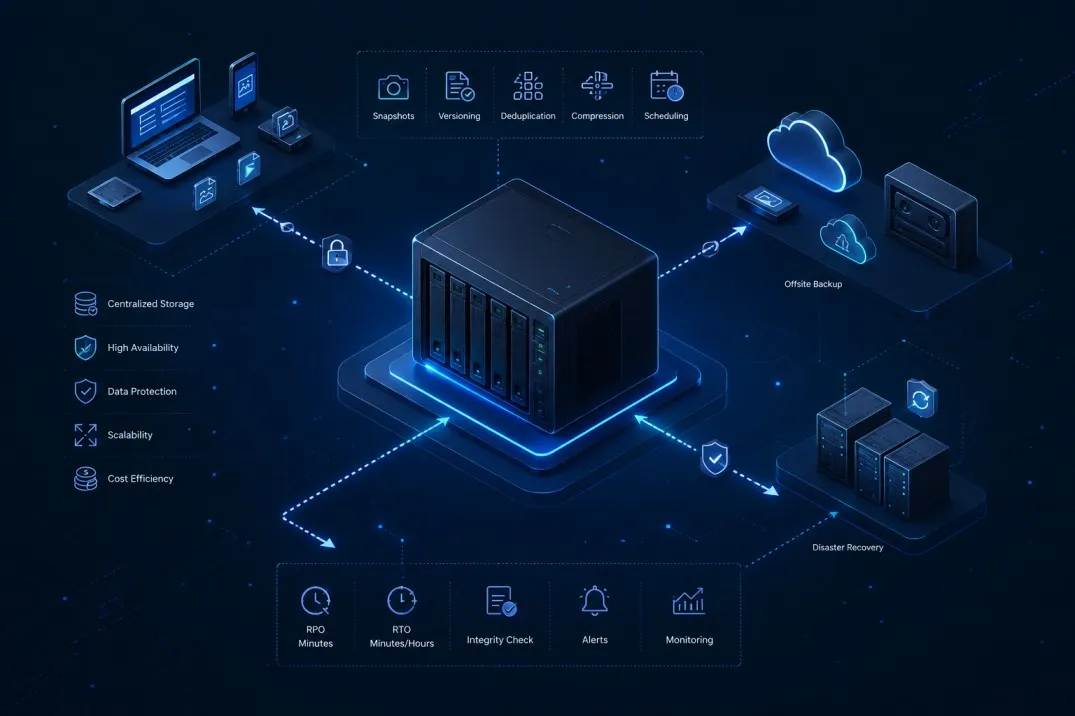
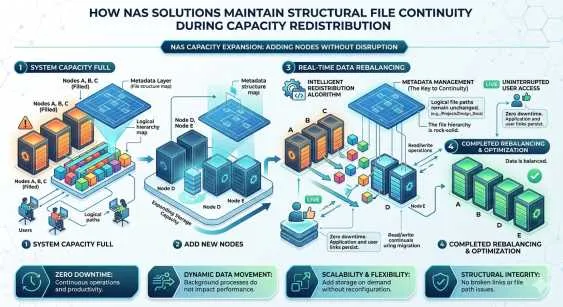
NAS devices offer numerous benefits for businesses, some of which include centralized data storage, remote access, data protection, scalability, and cost-effectiveness. Centralized data storage offers a single point of access for all business data, making it easier to manage and organize. Remote access to data allows employees to work from anywhere, increasing productivity and efficiency. Data protection is essential for businesses, and NAS devices offer various backup and redundancy options to keep data safe. Scalability is crucial for growing businesses, and NAS devices can easily accommodate additional storage requirements. Lastly, NAS devices offer a cost-effective storage solution compared to traditional storage options such as servers or external hard drives.
Conclusion
In conclusion, Network Attached Storage (NAS) is a reliable and efficient way to store and manage data for businesses. NAS devices offer numerous benefits such as centralized data storage, remote access, data protection, scalability, and cost-effectiveness. When choosing a NAS device, it is essential to consider factors such as storage capacity, processing power, connectivity options, and software features. With the right NAS device, businesses can streamline their data storage and access, enhance data protection, and improve their overall efficiency and productivity.To grab more information on Network attached storage, contact us.



























Sign in to leave a comment.