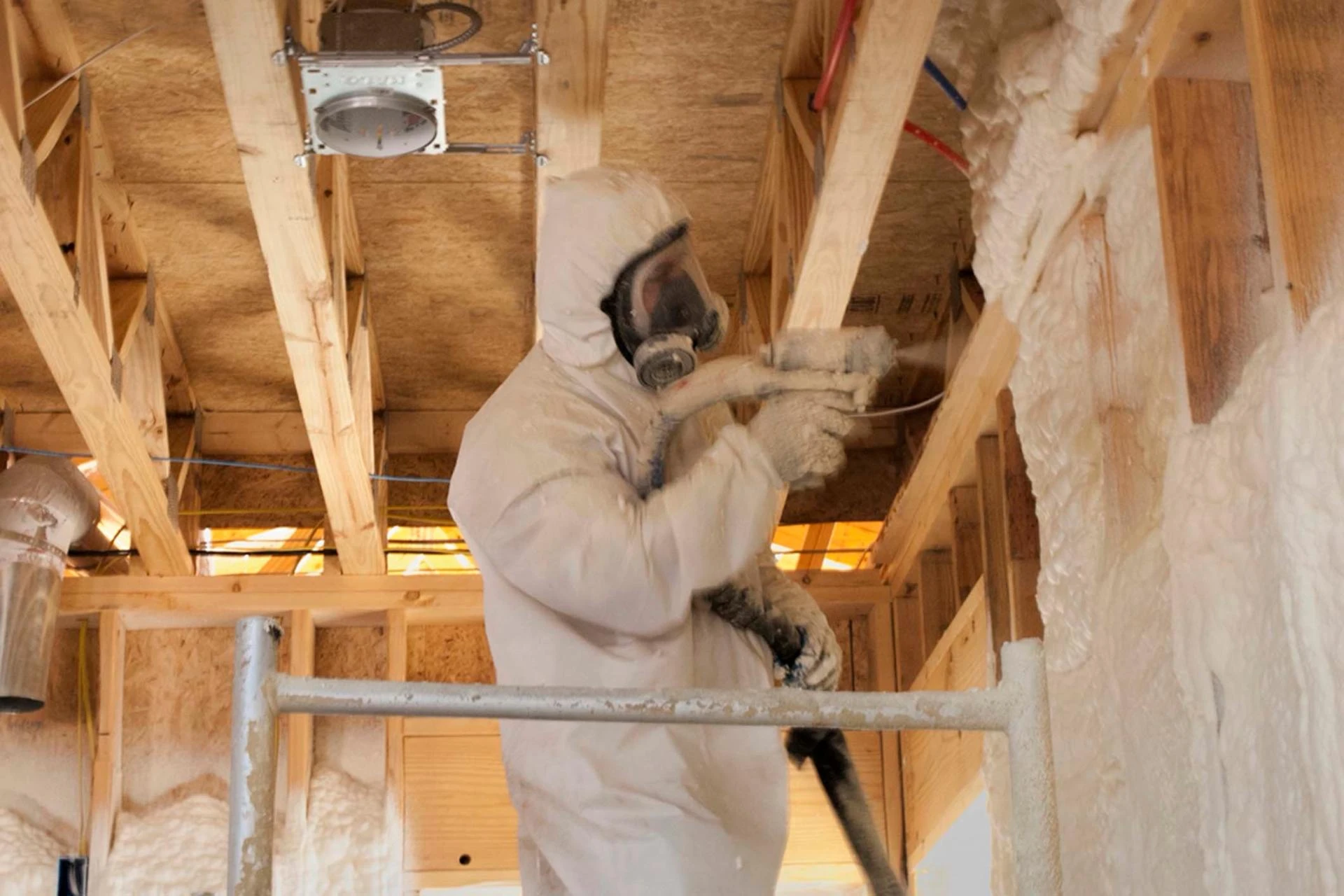

Insulation experts are clearing up common myths about open-cell spray foam because persistent misinformation often prevents homeowners from choosing what could be the best solution for their specific needs. Misconceptions, particularly regarding its R-value and interaction with water, have created confusion. In reality, open-cell foam is a high-performance material with unique properties that make it an excellent air barrier and soundproofer, but its strengths are often overshadowed by these myths.
This article, guided by the practical experience of professional insulation installers, will tackle the most common myths head-on. By separating fact from fiction, homeowners can gain a clearer understanding of where and why open-cell spray foam is not just a viable option, but often the smartest one for creating a comfortable, quiet, and energy-efficient home.
Myth 1: Open-Cell Foam Absorbs Water Like a Sponge
This is probably the most widespread and damaging myth. The truth is that while open-cell foam is vapor-permeable, it does not wick or absorb bulk water. Its cell structure allows water vapor to pass through, but it doesn't draw in and hold liquid water from a leak. In fact, this property is often a significant advantage.
If a roof or pipe leaks behind a wall insulated with open-cell foam, the water will pass through the foam and reveal itself on a ceiling or floor. This alerts the homeowner to the problem quickly so it can be fixed. By contrast, closed-cell foam, which is a vapor barrier, can trap moisture from a hidden leak between the foam and the wood framing. This can go unnoticed for years, potentially leading to serious wood rot. Industry professionals see this as a key feature, not a flaw. The ability of open-cell foam to "breathe" makes it a safer choice in many wall and roof assemblies.
Myth 2: Its Low R-Value Makes It a Poor Insulator
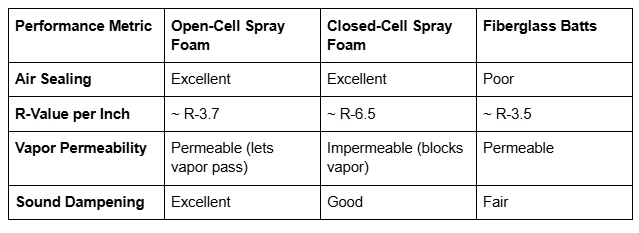
Looking solely at R-value per inch is a misleading way to judge an insulation's performance. Open-cell spray foam has an R-value of around R-3.5 to R-4.0 per inch, which is lower than closed-cell foam. However, its primary strength isn't its R-value but its exceptional ability to create an air seal. Air leakage is a leading cause of energy loss in homes, with some estimates suggesting it can be responsible for up to 40% of heating and cooling costs.
By expanding to fill every crack and crevice, open-cell foam stops this air movement almost completely. A standard 2x6 wall filled with open-cell foam (providing about R-20) will almost always outperform a wall filled with R-21 fiberglass batts because the batts do nothing to stop air leakage. In the real world, controlling airflow is just as important as resisting heat transfer.
Bonus Tip: The airtight seal created by open-cell foam is so effective that in new, tightly built homes, mechanical ventilation like a heat recovery ventilator (HRV) is often needed to ensure a healthy exchange of fresh air.
Here's a look at how different insulations perform across several metrics.
Myth 3: Open-Cell Foam Will Cause Mold
This myth is often tied to the misunderstanding about water absorption. The argument is that since the foam is "open," it will trap moisture and grow mold. This is incorrect. Mold requires three things to grow: a food source (like wood or paper), moisture, and the right temperature. Open-cell spray foam is an inert polymer and is not a food source for mold.
Furthermore, by creating a superior air seal, it helps prevent the conditions that lead to mold. It stops warm, humid indoor air from contacting cold exterior sheathing in the winter, which is a common cause of condensation within wall cavities. By managing air and moisture movement, a properly installed open-cell spray foam system is one of the best ways to keep wall assemblies dry and free of mold.
Myth 4: It’s Not a Good Choice for Soundproofing
This is the exact opposite of the truth. Open-cell foam is one of the best sound-dampening insulation materials on the market. Its soft, pliable, and irregular cell structure is incredibly effective at absorbing and deadening sound waves. Closed-cell foam, being rigid and dense, is better at reflecting sound than absorbing it.
Homeowners often use open-cell foam specifically for its acoustic properties. It’s a popular choice for insulating interior walls around home theaters, laundry rooms, bathrooms, and bedrooms to create a much quieter and more peaceful living environment.
Bonus Tip: When building a home office, using open-cell foam in the walls and even the floor joist bays above can create a nearly silent workspace, free from household distractions.
Things to Consider Before Making a Decision
Open-cell spray foam is an excellent product, but it's not the right choice for every single application. Understanding its ideal uses is key.
- Application Location: It excels in above-grade exterior walls, roof decks in certain climates, and interior walls for sound control. It is generally not recommended for below-grade applications like basement walls or in crawlspaces where it might come into direct contact with bulk water or ground moisture.
- Climate and Building Science: In very cold climates, using a vapor-permeable insulation like open-cell foam in an exterior wall requires a carefully designed wall assembly, often including a separate interior vapor retarder. A knowledgeable contractor is essential.
- Budget: Open-cell foam is typically less expensive than closed-cell foam, making it a cost-effective way to achieve a high-performance air seal.
Questions People Ask About Open-Cell Foam
Can open-cell foam be installed in an existing home?
Yes, it's very common. It can be easily installed in any open cavity, such as during a remodel, in an unfinished attic, or in a crawlspace rim joist. It is not typically used for retrofitting closed wall cavities.
How is it installed in walls without getting in the way of drywall?
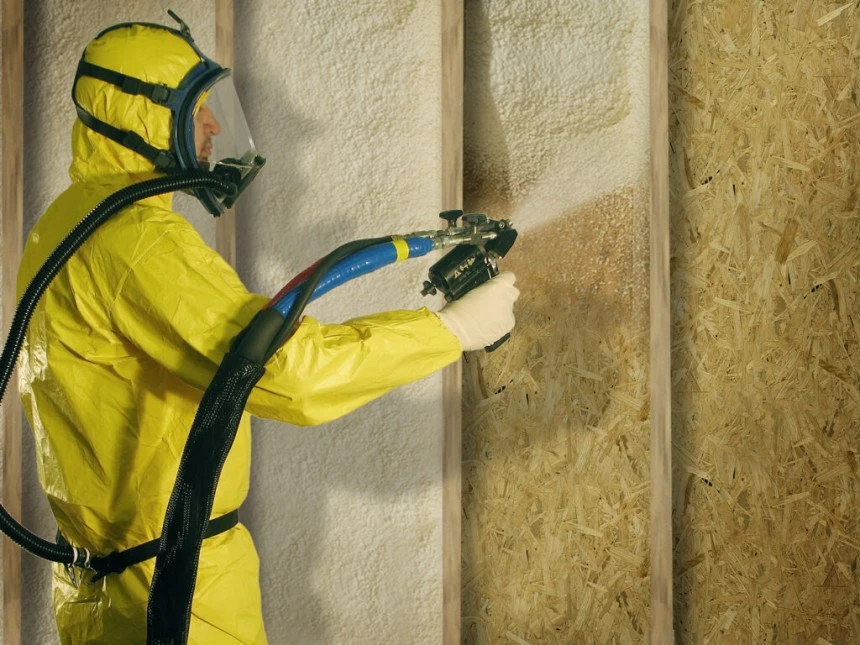
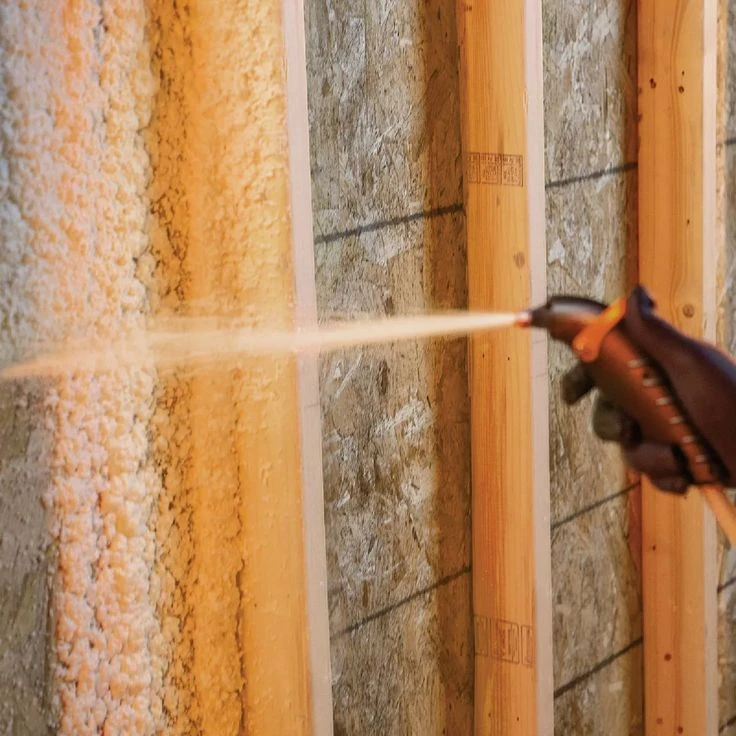
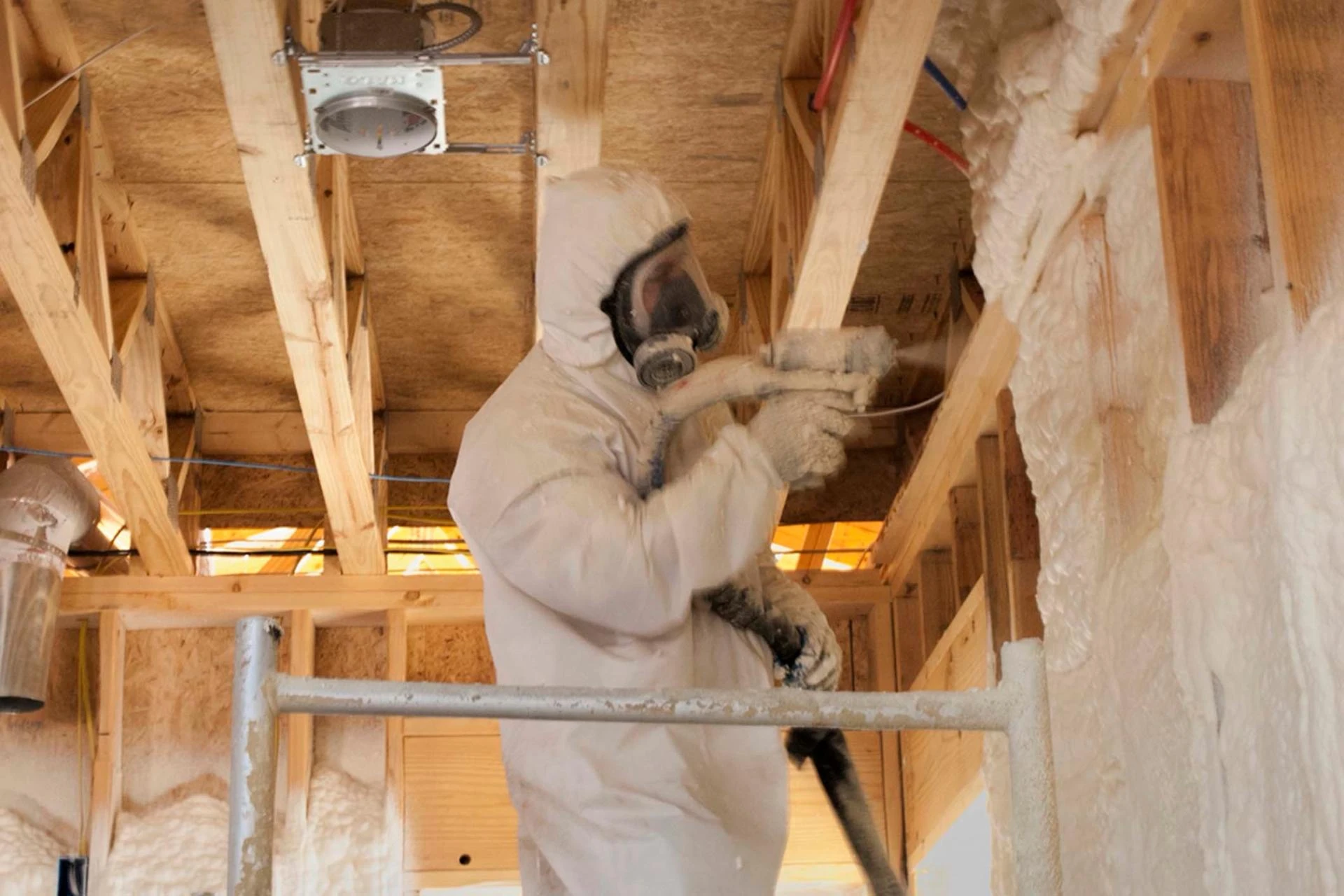
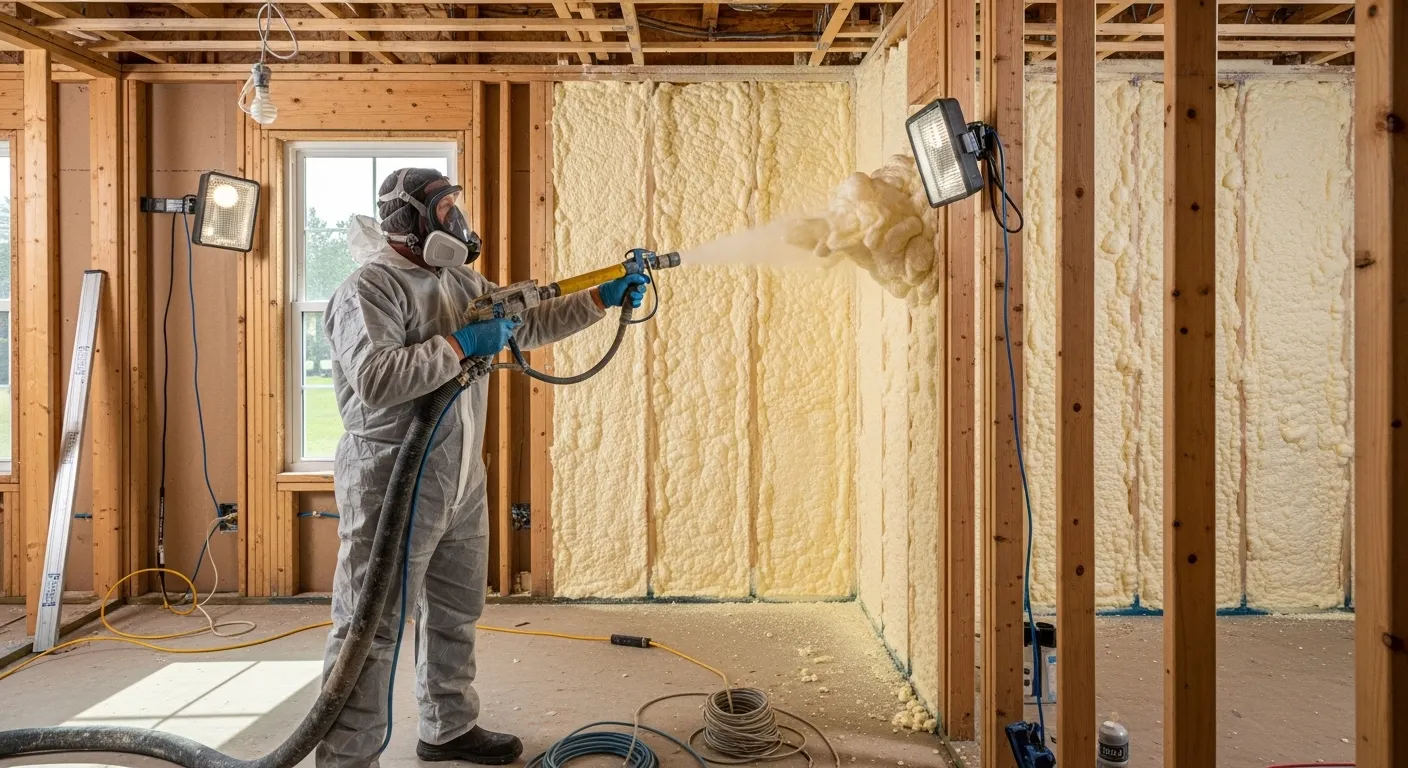
The foam is sprayed into the wall cavity, where it expands rapidly and often overfills the space past the face of the studs. After a short curing time, the installer uses a special tool to trim the excess foam perfectly flush with the studs, creating a flat surface ready for drywall.
Does open-cell foam lose its R-value over time?
No. Unlike some rigid foam boards that use blowing agents that can slowly escape, open-cell foam is blown with water. Its R-value is stable and will last for the life of the building.
Can pests and rodents eat through it?
While no insulation is completely pest-proof, open-cell foam provides no nutritional value for pests. Also, by sealing up the cracks and holes that rodents use to enter a home, it creates a formidable physical barrier against them.
What is the main difference in feel between open-cell and closed-cell foam?
If you press your thumb into cured open-cell foam, it will feel soft and spongy, like a dense memory foam. Doing the same to closed-cell foam would be like pressing on a hard piece of plastic; it is completely rigid and will not give.
The Right Material for the Right Application
Clearing away the myths reveals open-cell spray foam as a versatile and high-performing insulation material. Its value lies not just in its R-value, but in its combined ability to insulate, air seal, and dampen sound. It is not a "one-size-fits-all" solution, but when used in the right applications by a knowledgeable professional, it delivers outstanding comfort and energy efficiency. Homeowners should always consult with an expert to determine the best insulation strategy for their specific home and climate.
Discuss Your Project With an Insulation Professional
Understanding the nuances between different types of foam is key to a successful insulation project. For homeowners who want to explore their options, speaking with a qualified installer is the best path forward. A team like All Foam & Insulation, LLC can provide a clear explanation of how materials like open-cell foam would perform in a specific home. They offer expert guidance based on years of field experience. To get more information, you can contact them at (541) 826-9600 or send an email to [email protected].
Reviewer: Lily Johnson offered her feedback after reviewing this post. With 8 years in the spray foam insulation field, her suggestions centered around improving outreach to homeowners looking for quality insulation solutions.




























Sign in to leave a comment.