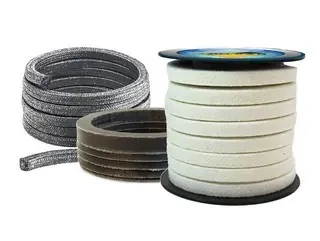
In industrial production, sealing technology is essential to ensure equipment reliability and prevent leakage. Among the various sealing methods, packing seals remain widely used due to their simple structure and cost-effectiveness. However, this method faces challenges such as friction, wear, and maintenance demands. This article examines the working principle of packing seals, the factors contributing to friction and wear, and effective optimization strategies to enhance performance and extend service life.
Working Principle of Packing Seals
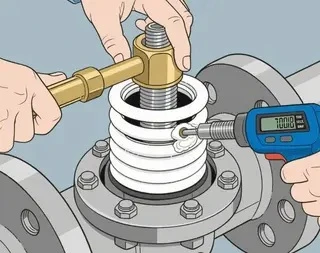
A packing seal prevents leakage by maintaining tight contact between the packing material and a rotating or reciprocating shaft (or rod). The assembly typically includes:
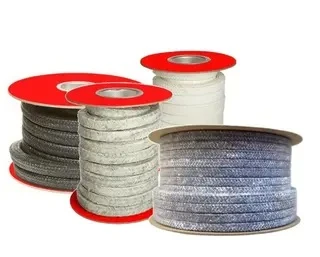
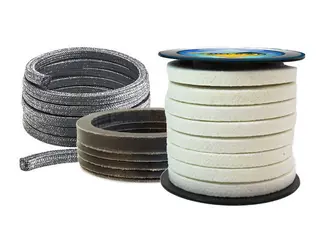
- Packing – inserted into the stuffing box.
- Stuffing box – the cavity that houses the packing.
- Gland – applies axial pressure, compressing the packing to ensure tight contact with the shaft.
This compression creates a sealing barrier but also introduces significant friction, making wear management a central challenge in packing seal applications.
Factors Influencing Friction and Wear
- Gland Pressure
- Adequate pressure ensures proper sealing.
- Excessive pressure increases friction and accelerates wear of both packing and shaft.
- Insufficient pressure leads to leakage.
- Operating Duration
- Long-term operation causes packing to lose elasticity and roughen, increasing shaft friction.
- Continuous use also depletes internal lubricants, further aggravating wear.
- Number of Packing Rings
- Fewer rings reduce friction but may compromise sealing effectiveness.
- Optimal design balances sealing reliability with manageable friction.
- Shaft Surface Roughness
- Rough surfaces increase friction, accelerate wear, and compromise sealing.
- A smoother shaft surface is critical for performance and longevity.
- Packing Material
- Different materials exhibit different friction coefficients.
- Example: PTFE against steel (0.04) vs. cotton against steel (0.6–0.7).
- Material choice should consider operating media, temperature, and pressure.
Wear Problems and Mitigation
Manifestations of Wear
- Normally, wear is most severe near the gland, decreasing inward.
- Improper installation can cause uneven wear, with rapid degradation at the outer packing.
- Electrochemical corrosion can occur, especially when graphite packing is used with stainless steel shafts in conductive media, roughening the shaft and accelerating wear.
Solutions
- Optimized Installation
- Install rings step by step, applying slight compression after each.
- Use spacer rings for lubrication injection and leakage monitoring.
- Appropriate Material Selection
- Carbon fiber packing provides the best wear resistance.
- Asbestos causes significant shaft wear, but asbestos impregnated with PTFE performs comparably to carbon fiber.
- Impregnants significantly enhance wear resistance.
- Lubrication & Cooling
- Lubricants reduce friction, dissipate heat, and minimize thermal wear.
- Forced lubrication or fluid-assisted lubrication is recommended for high-speed, high-temperature, or high-pressure conditions.
- Spring-loaded washers can automatically compensate for packing wear, extending service life.
Lubrication and Cooling of Packing Seals
Role of Lubrication
- Reduces friction and wear.
- Dissipates frictional heat.
- Maintains packing elasticity and sealing capability.
Requirements for Lubricants
- Chemically stable and non-reactive with the medium.
- High impregnation ability and retention.
- Non-conductive to avoid electrochemical corrosion.
- Good self-lubricating and temperature-resistant properties.
Common Lubricants
- Animal fat: Effective for cold water but releases fatty acids that corrode shafts.
- Castor oil: Suitable for water and acid-salt media but incompatible with petroleum-based oils.
- Glycerin: Ideal for petroleum products (e.g., gasoline packing) and steam rubber packing.
- Graphite: Excellent solid lubricant but electrically conductive, risking galvanic corrosion.
- PTFE: Both filler and lubricant; effective at -200 to 250 °C, chemically resistant, insulating, and corrosion-preventive.
Conclusion
Packing seals, despite their simple design, play an indispensable role in industrial sealing applications. However, their performance is constrained by friction and wear. By optimizing installation, choosing suitable packing and impregnants, and implementing robust lubrication and cooling measures, packing seals can deliver reliable, long-term performance at lower maintenance costs.
A deeper understanding of packing seal mechanics enables engineers to improve sealing efficiency, extend equipment life, and ensure safe and stable operation in demanding industrial environments.It's important to know about Google SEO to help your website rank higher in search results.


























Sign in to leave a comment.