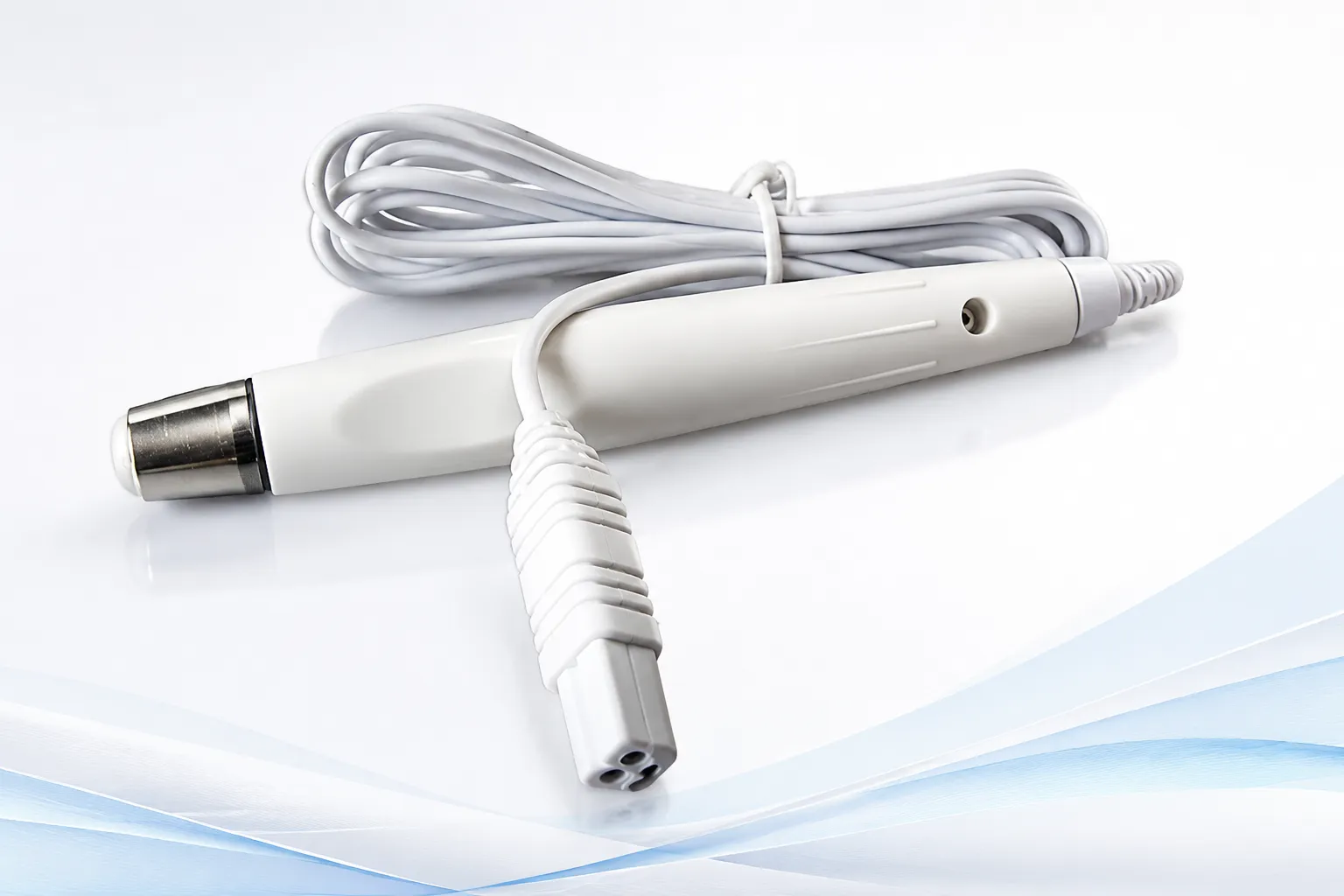

When sudden pain strikes or a chronic condition flares up, your first instinct is usually to find the fastest relief possible. We see this all the time at the Homemedics Store. Many of our customers tell us their journey started by searching for a TENS machine Chemist Warehouse or heading down to their local pharmacy to grab whatever was on the shelf.
It makes perfect sense. Pharmacies offer immediate convenience. However, when it comes to medical devices that you will rely on for long-term pain management, convenience does not always equal the best clinical outcome.
As professionals who deal exclusively with home recovery technology, we want to help you understand the differences between off-the-shelf pharmacy units and specialized home-care devices. This way, you can make an informed decision that actually targets your pain.
The Appeal of the Pharmacy Run
There is no denying that local chemists provide a quick fix. If you have just pulled a muscle and need basic, immediate relief, a generic unit from a local shelf can offer a temporary masking of the pain.
These devices are usually highly accessible and sit at a very low entry price point. For someone who has never used electrical nerve stimulation before, it feels like a safe, low-commitment way to test the waters.
The Limitations of Off-the-Shelf Units
The challenge with standard retail units is that they are designed for the masses. A pharmacy clerk is trained to help you find the aisle, but they are rarely equipped to discuss optimal pulse widths, frequency adjustments, or dual-channel therapy for your specific sciatic pain.
Here are a few common limitations our customers report after trying basic retail units:
- Limited Power and Customization: Many basic units have very few pre-set programs and lack the power needed for deep tissue relief. They might work for a mild neck ache but often fall short for severe lower back pain or labour contractions.
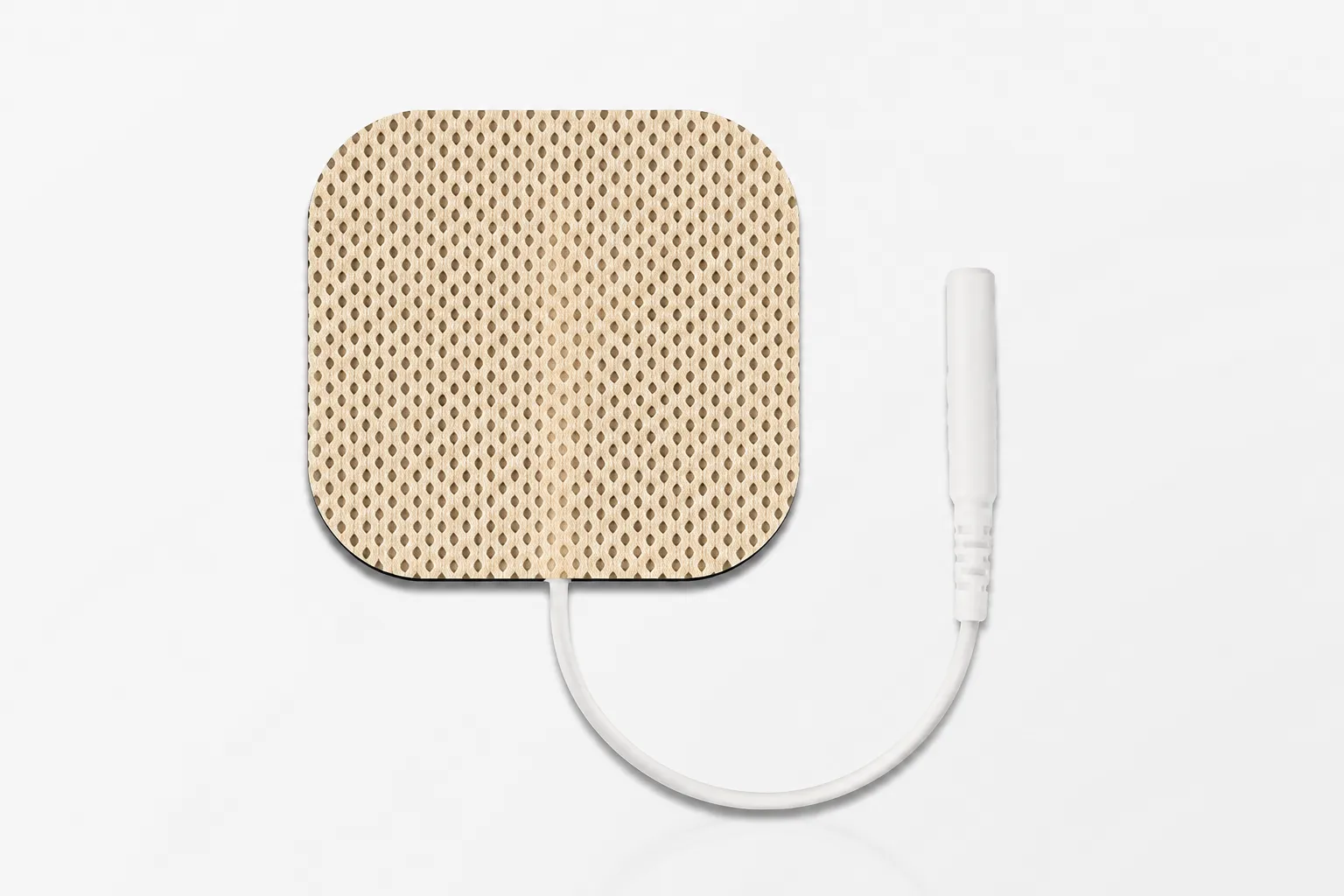
- Proprietary Consumables: This is a hidden cost. Some generic brands lock you into buying their specific, uniquely shaped replacement pads, which can be expensive and hard to find when the pharmacy runs out of stock.
- Lack of After-Sales Support: If the machine feels uncomfortable or you cannot figure out the correct pad placement, a standard retail store cannot provide specialized physiotherapy guidance or troubleshooting.

What to Look for in a Pain Management Device
If you want to move beyond a temporary fix, you need a device that adapts to your body. Whether you buy from us or elsewhere, always check for these three non-negotiable features.
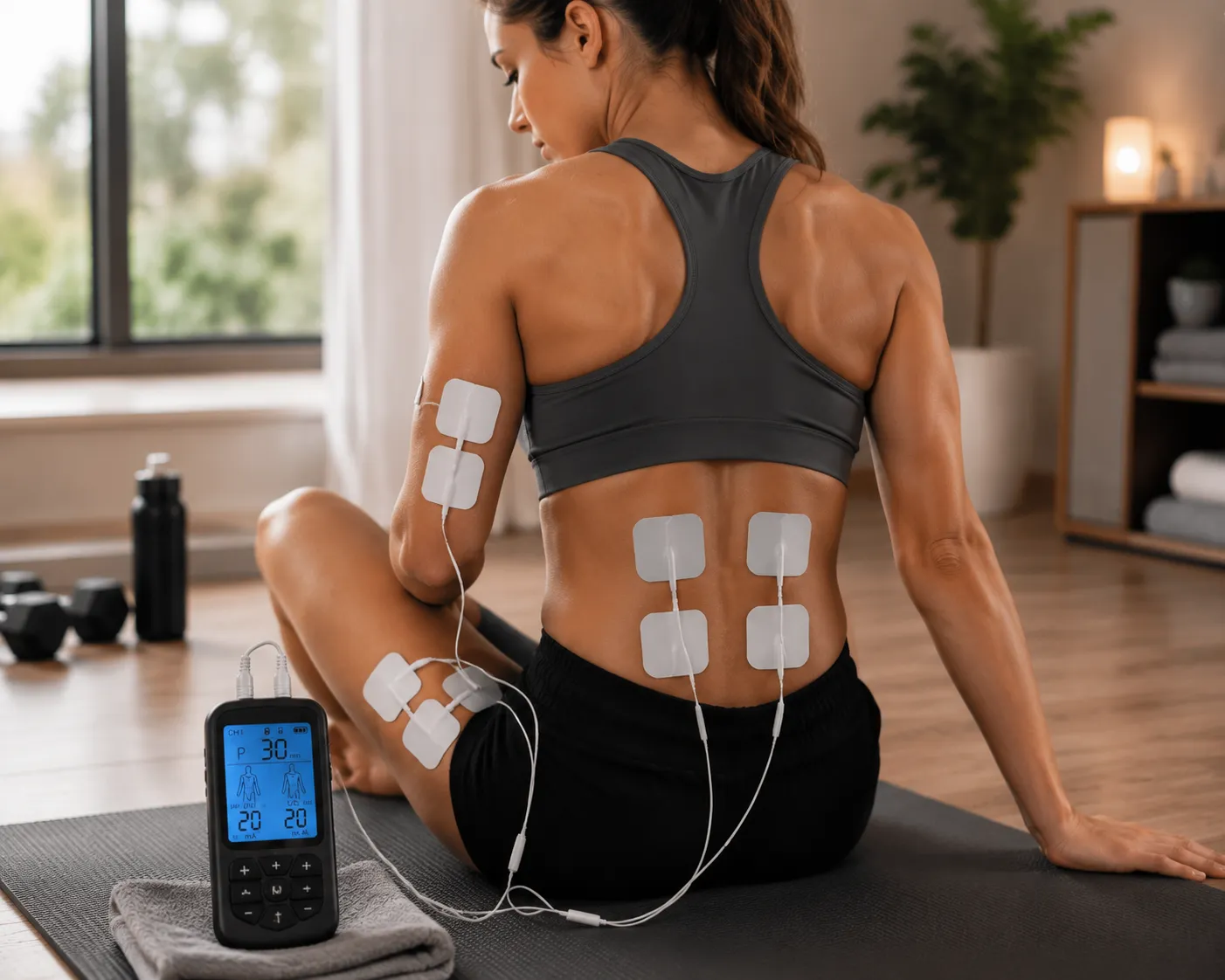
First, look for a dual-channel system. This allows you to run four pads simultaneously, treating larger areas or two different pain points at once. Second, ensure the device offers adjustable intensity levels that you can fine-tune in small increments. Finally, verify that the device is TGA-approved. This guarantees the unit has been tested for safety and efficacy in the Australian market.
The Homemedics Store Approach
We built our business because we saw a gap between what patients needed and what standard retail shelves provided. We do not sell toothpaste or vitamins; we specialize in TENS and EMS technology.
When you source a device through a specialized provider like us, you are getting clinical-grade hardware designed for durability. More importantly, you get access to our team. We guide you on exactly how to use your TENS Machine Australia safely, how to position the electrodes for your specific injury, and how to maintain the unit for years of use.
Making the Right Choice for Your Health
Your pain is unique, and your Treatment plan should be too. While a quick trip to the chemist might seem like the easiest route, investing in a specialized unit pays off in the long run.
You deserve a device that delivers consistent, customizable power, utilizes standard, affordable replacement parts, and comes with a team ready to answer your questions long after the purchase is complete.






















Sign in to leave a comment.