
In today’s digital world, phishing scams have become one of the biggest threats to both individuals and organizations. As our online activities increase, so do the tactics used by hackers. Understanding these scams is vital for anyone who wants to navigate the internet safely. This post aims to uncover the details behind phishing attacks, giving readers the knowledge they need to protect themselves efficiently.
What Is Phishing?
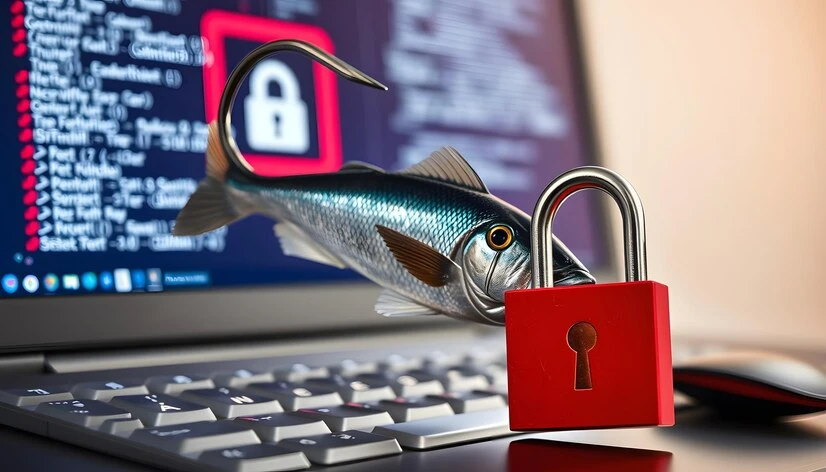
Phishing is a cybercrime where attackers pretend to be trusted entities to trick people into revealing sensitive information, like passwords and credit card numbers. These scams can occur through emails, text messages, or fake websites that closely resemble real businesses.
Phishing can take many forms, including:
- Email phishing: This is the most common type, where fraudulent emails entice users to click on dangerous links or attachments.
- Spear phishing: This targeted approach focuses on specific individuals or organizations, often using personal details to gain credibility.
- Whaling: This sophisticated attack targets high-profile individuals, such as executives, often employing personalized information to enhance the deceit.
For instance, according to the Anti-Phishing Working Group, phishing attack increased by over 220% from 2019 to 2020. This stark rise highlights the growing sophistication of methods used to exploit people's trust.
The Mechanics of a Phishing Attack
Hackers use various techniques to make their phishing attempts look like genuine messages. Understanding these methods can help users spot potential threats.
- Creation of Urgency: Phishing emails often make the reader feel they must act quickly, threatening that their account has been compromised.
- Spoofed URLs: One of the most deceptive methods involves URLs that closely mimic legitimate websites. Users may not notice slight errors in spelling, which leads them to give their information to a fake site.
- Social Engineering: Phishing relies heavily on psychological manipulation. Attackers often gather information from social media and other online sources to create believable messages.
- Malware Delivery: Some phishing attempts aim to install malware on the user’s device, granting hackers access to personal data.
For example, a phishing email might claim to be from a bank, warning of suspicious activity and providing a link to "verify" account information. When users click, they unknowingly submit personal details to cybercriminals.
The Impact of Phishing Scams
The consequences of phishing scams can be serious. Individuals may suffer financial losses, identity theft, or unauthorized purchases. For businesses, damages extend beyond finances, impacting reputation and customer trust.
Research shows that businesses lose approximately $12 billion annually due to phishing attacks. Furthermore, once a breach occurs, the average time to resolve these issues can range from weeks to months, leading to added expenses for recovery and heightened security measures.
It's essential for both individuals and organizations to stay aware of the risks of cybersecurity threats, especially phishing attacks. Regular cybersecurity alerts that inform users of new techniques can serve as vital tools in fostering awareness.
Prevention Strategies
To protect against the growing threat of phishing, adopting effective prevention strategies is essential:
- Educate Yourself and Others: Regular training helps spread knowledge about phishing scams and best cybersecurity practices. For example, a company might hold quarterly workshops to keep employees updated.
- Verify Links and Emails: Always hover over links before clicking. If an email requests sensitive information, confirm its source through official channels. A simple phone call can save a lot of trouble.
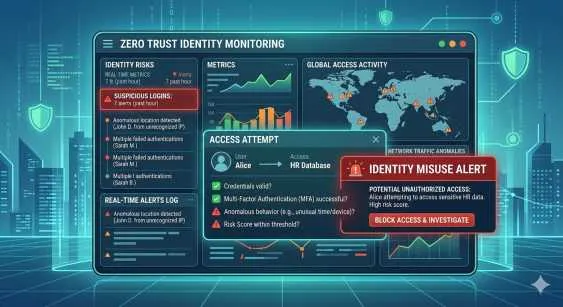
- Use Multifactor Authentication: Implementing two-factor authentication significantly enhances security, making it harder for attackers to access accounts.
- Report Phishing Attempts: Many email services allow users to report suspicious emails. By doing this, individuals help protect others from falling victim to similar scams.
By fostering a vigilant mindset and encouraging open discussions about security, individuals and organizations can significantly lower their risks related to phishing attacks.
Tools and Resources for Threat Detection
Several tools can help individuals spot phishing attempts and boost cybersecurity:
- Email Filters: Using effective spam filters can reduce exposure to phishing emails. Most major email providers include built-in protections that should be activated.
- Password Managers: These tools assist in managing complex passwords and can alert users to potential breaches.
- Security Awareness Platforms: Online education platforms focused on cybersecurity can help reinforce knowledge about phishing techniques among employees.
- Browser Extensions: Several browser extensions alert users when they access suspected phishing sites, providing an extra level of security.
Staying informed and proactive is crucial for thwarting phishing scams and enhancing overall cybersecurity today.
Staying Ahead of Cyber Threats
Phishing scams highlight vulnerabilities that can lead to severe consequences for both individuals and organizations. By understanding how these attacks function, the manipulation tactics used, and the strategies available for prevention, users can better protect themselves against cyber threats.
In an age where data security is critical, remaining informed is the best defense against phishing attacks. By staying alert and educated, both individuals and businesses can significantly reduce the risks associated with phishing scams, protecting their digital lives.





















Sign in to leave a comment.