

Pipe Wrap Tape vs. Anti-Corrosion Tape: Differences and Uses
Pipelines are integral to industries worldwide, ensuring the efficient transport of water, oil, gas, and chemicals. However, exposure to harsh environmental conditions often results in corrosion and damage, necessitating robust protective solutions. Among the most popular options are pipe wrap tape and anti-corrosion tape. While these terms are often used interchangeably, they have distinct properties and applications.
This article explores the differences between pipe wrap tape and anti-corrosion tape, highlighting their unique features and uses to help you choose the right product for your project.
What is Pipe Wrap Tape?
Pipe wrap tape is a versatile protective material designed to safeguard pipelines from mechanical damage, weathering, and mild corrosion. Typically made from materials such as polyethylene or polypropylene, it provides a durable, waterproof barrier around pipes. Pipe wrap tape is often used in conjunction with primers or coatings for enhanced protection.
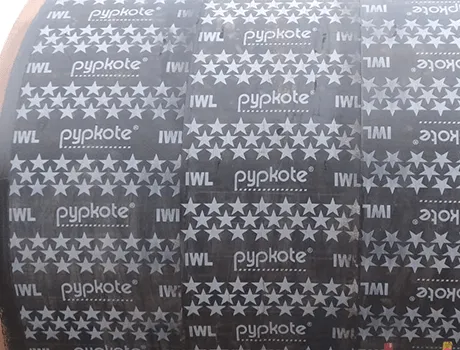
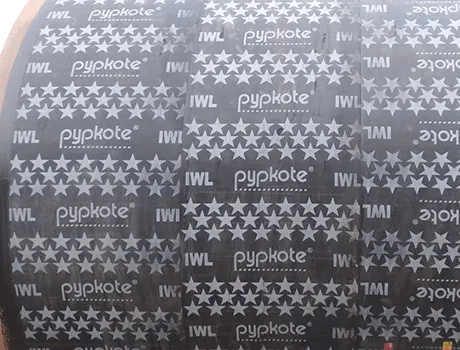
A high-quality product like PyPKote Pipe Wrap Tape offers exceptional durability, ease of application, and reliable performance across various industrial and residential projects.
What is Anti-Corrosion Tape?
Anti-corrosion tape is specifically engineered to prevent rust and degradation caused by moisture, chemicals, and other corrosive agents. It typically consists of a rubberized or bituminous base that adheres tightly to the pipe surface, creating an impermeable shield against corrosive elements.
This type of tape is ideal for pipelines exposed to aggressive environments, such as underground or underwater installations, where corrosion risks are high.
Key Differences Between Pipe Wrap Tape and Anti-Corrosion Tape
1. Purpose
- Pipe Wrap Tape: Primarily used for mechanical protection and minor corrosion resistance.
- Anti-Corrosion Tape: Specially designed to combat rust and chemical degradation.
2. Composition
- Pipe Wrap Tape: Made from polyethylene, polypropylene, or similar materials with high tensile strength.
- Anti-Corrosion Tape: Typically has a rubberized or bituminous base with excellent adhesive properties.
3. Applications
- Pipe Wrap Tape: Suitable for general-purpose pipeline protection, including above-ground and mild environments.
- Anti-Corrosion Tape: Ideal for underground, underwater, or high-risk installations where corrosion is a primary concern.
4. Layering Requirements
- Pipe Wrap Tape: Often used with primers or coatings for optimal performance.
- Anti-Corrosion Tape: Can be applied directly to the pipe surface without additional layers.
Uses of Pipe Wrap Tape
- Pipeline Maintenance: Protects older pipelines from minor leaks and mechanical wear.
- Above-Ground Pipes: Shields pipes from UV exposure and physical damage.
- Temporary Repairs: Provides a quick solution for minor cracks or leaks.
For more information on high-quality pipe wrap solutions, visit IWL India.
Uses of Anti-Corrosion Tape
- Underground Pipelines: Prevents moisture ingress and soil chemical damage.
- Marine Pipelines: Protects against saltwater corrosion and marine growth.
- Oil and Gas Pipelines: Offers superior resistance to aggressive chemicals and extreme temperatures.
Which One Should You Choose?
The choice between pipe wrap tape and anti-corrosion tape depends on your project’s specific requirements:
- For general-purpose protection and temporary repairs, pipe wrap tape is an economical and effective option.
- For pipelines exposed to corrosive environments or requiring long-term protection, anti-corrosion tape is the superior choice.
Combining both tapes can sometimes provide enhanced protection, especially for pipelines in high-risk environments.
Conclusion
Pipe wrap tape and anti-corrosion tape are essential tools for pipeline protection, each with its own set of advantages. Understanding their differences and applications ensures that you select the right product to meet your project’s needs.
For premium solutions like PyPKote Pipe Wrap Tape and other pipeline protection materials, explore IWL India. Their wide range of products and expert guidance make them a trusted partner in safeguarding your pipelines.






















Sign in to leave a comment.