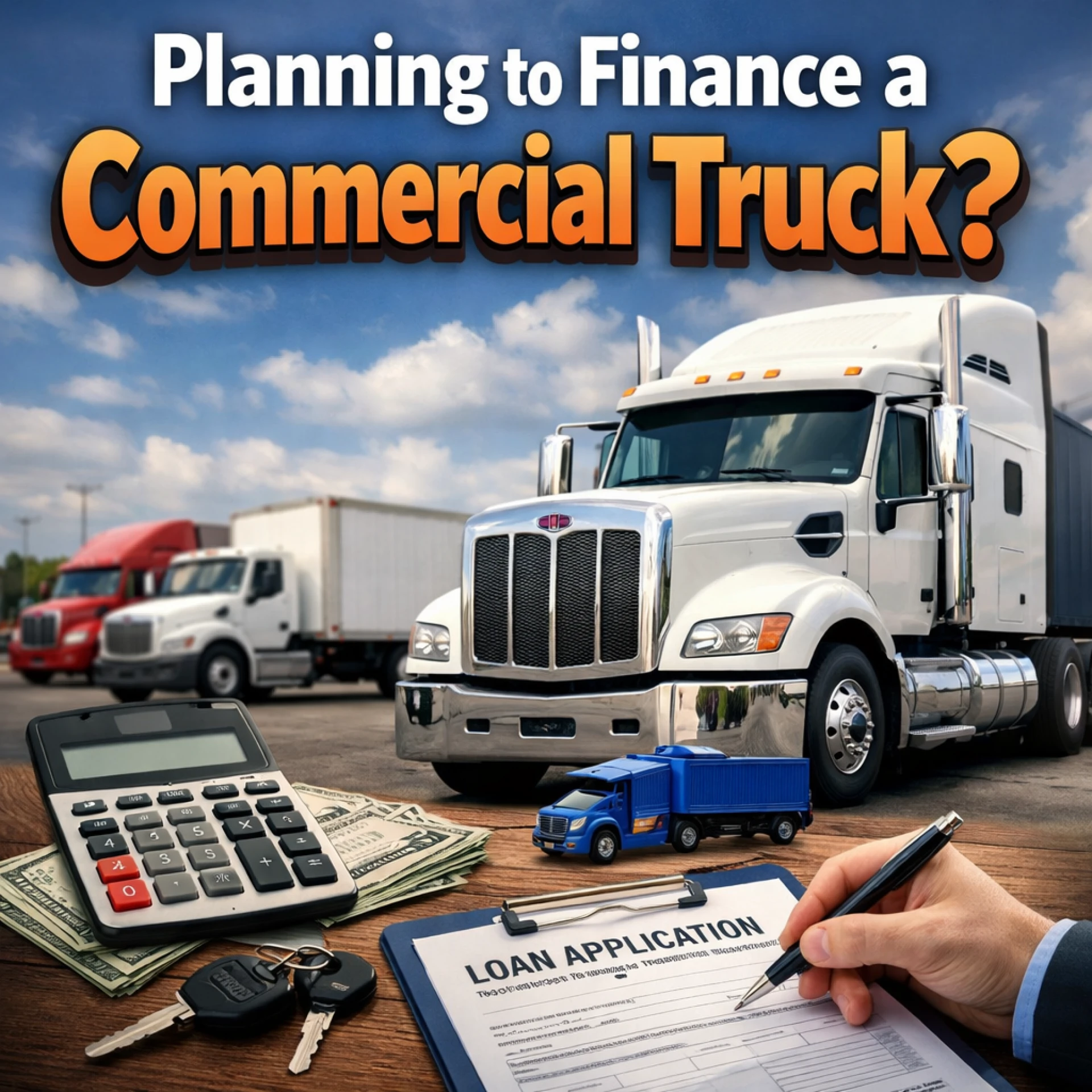

Buying a truck is a big move—whether it’s your first one or you’re adding to your fleet. And if you’re like most people, financing is part of that plan. But here’s the thing: getting approved isn’t just about having a “good” credit score.
Lenders look at the bigger picture.
They want to know one simple thing: Can you realistically afford this truck and keep your business running smoothly at the same time?
So what do lenders actually care about?
From what I’ve seen (and what most people don’t realize), it usually comes down to a few key things:
- Your cash flow (are you consistently earning?)
- How long you’ve been in business
- Your credit history
- The truck itself (age, mileage, condition)
Even something called your DSCR (basically how comfortably you can make payments) plays a big role.
Let’s talk about credit (because everyone worries about it)
Yes, credit matters—but it’s not everything.
- If you’re above 700, you’ll get the best deals
- Around 600–699, you still have solid options
- Even below 600, you’re not out of the game
A lot of people assume bad credit = no approval. That’s just not true. It just means you need to balance things out in other ways.
What about down payments?
This depends on your profile:
- Most people put down 10–20%
- With lower credit, expect 25% or more
It might feel like a lot upfront, but it actually makes approval easier and can even improve your terms.
Here’s something people overlook: the truck matters A LOT
Not all trucks are treated equally by lenders.
A newer, well-maintained truck:
✔️ Easier to finance
✔️ Better loan terms
✔️ Lower risk in the lender’s eyes
An older, high-mileage truck?
That can make approval harder—especially if your credit isn’t strong.
It makes sense though… if the truck breaks down, your income stops too.
Loan terms—don’t just go for the lowest payment
Longer terms (like 72 months) mean smaller monthly payments. Sounds great, right?
But you’ll pay more in interest over time.
A smarter approach is to match your loan term with how long you actually plan to keep the truck. That way, you’re not stuck owing more than it’s worth later.
Be ready with your paperwork
If you want things to move fast, have these ready:
- CDL (if you’re an owner-operator)
- Bank statements
- Tax returns
- Business documents
- Truck details (invoice/spec sheet)
- Insurance proof
Being prepared can seriously speed things up.
If your credit isn’t great, here’s what helps
You still have options—just be strategic:
- Put more money down
- Show strong income in your bank statements
- Choose a reliable truck
- Consider a co-signer
And be careful with “guaranteed approval” offers. They usually come with terms that hurt more than they help.
Final thought
Financing a truck isn’t just about getting approved.
It’s about making sure you still have enough cash left for fuel, repairs, insurance—all the things that keep your business running day to day.
The right deal should support your business, not stress it.
Want the full breakdown?
I’ve covered everything in detail—credit requirements, loan terms, approval tips, and how to set yourself up the right way.
Take a look here: https://lewiscap.com/a-detailed-guide-to-commercial-truck-financing-requirements-credit-terms/






























Sign in to leave a comment.