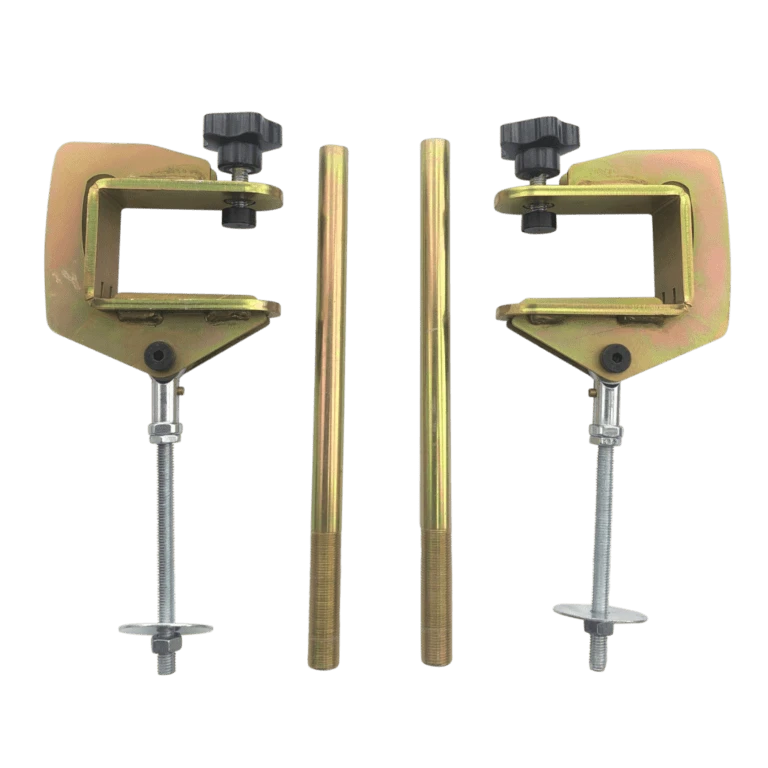

One of the toughest jobs in the maintenance of heavy vehicles is the separation of a corroded hub and rotor assembly. A Hub and Rotor Removal Tool gives a controlled, safety-driven option against the brute-force methods that still many technicians depend on. In case the metals get fused through corrosion and heat cycles, applying non-technical methods with hammers or makeshift tools will impart risk and strain that are not needed. Special tools for separation make the process safer, more predictable, and far less physically tiring, thus permitting technicians to work with more confidence and speed.
Across modern workshops and fleet maintenance facilities, technicians have become increasingly aware that safety and efficiency are deeply interconnected. If a job requires repeated impact, awkward body positioning, or unpredictable force, it not only slows down the workflow but also opens the door to preventable injuries. Dedicated hub-rotor separation equipment, such as hydraulic-powered splitters, reflects a new standard in wheel-end work where technician protection comes first and the separation process is designed around precision rather than impact.
Why Dedicated Hub–Rotor Separation Tools Improve Safety?
Controlled Force Reduces Physical Strain
Traditional hammer-based removal requires repeated, forceful strikes delivered in tight spaces, an approach that overworks the shoulders, wrists, and lower back. With a tool like the HR Splitter Mate™, separation is achieved through controlled hydraulic pressure applied exactly where it’s needed. Instead of swinging a hammer, the technician positions the splitter, activates pressure, and lets the tool do the heavy work.
Minimizing Impact-Related Hazards
Manual hammering creates vibration, kick-back, and the possibility of flying debris. The HR Splitter Mate™ eliminates these strike-based risks entirely. Once the tool is secured to the rotor-hub assembly, the technician can step back and apply force gradually. This separation style dramatically reduces the likelihood of hand injuries, metal fragmentation, and impact shock.
Improved Accuracy and Component Integrity
Evenly distributed hydraulic pressure protects the assembly by avoiding the uneven, localized shock loads that occur when hammering. The rotor and hub separate cleanly, reducing the chance of warping or fracturing during removal. This makes subsequent inspections and reinstallation safer and more reliable.
Traditional Methods vs. Hydraulic Separation
Manual Hammering: Unsafe and Inconsistent
● Unpredictable force: Every strike carries a different load, creating inconsistent outcomes.
● Close-range exposure: The technician’s hands, face, and body stay within the danger zone.
● Component damage: Excessive hammering can crack rotors, distort hubs, or weaken studs.
Hydraulic Removal: Safer, Cleaner, and More Technical
- Hands-off operation: After setup, hydraulic force replaces manual impact.
- No guesswork: Pressure is measurable and controlled instead of estimated by swing force.
- Cleaner separations: The HR Splitter Mate™ focuses force where separation is needed, reducing collateral damage.
Conclusion
A Hub and Rotor Removal Tool significantly raises the level of safety in maintenance at the wheel-end by substituting the uncertain hammering with the orderly hydraulic force. The HR Splitter Mate™ and similar equipment guarantee neat separations, less exertion for technicians, and a reduction of risks linked to manual impact. With the movement of workshops towards engineered solutions, the emphasis on accuracy, safety, and technician welfare is turned into a requirement rather than just a feature for modern fleet and heavy vehicle service environments.
























Sign in to leave a comment.