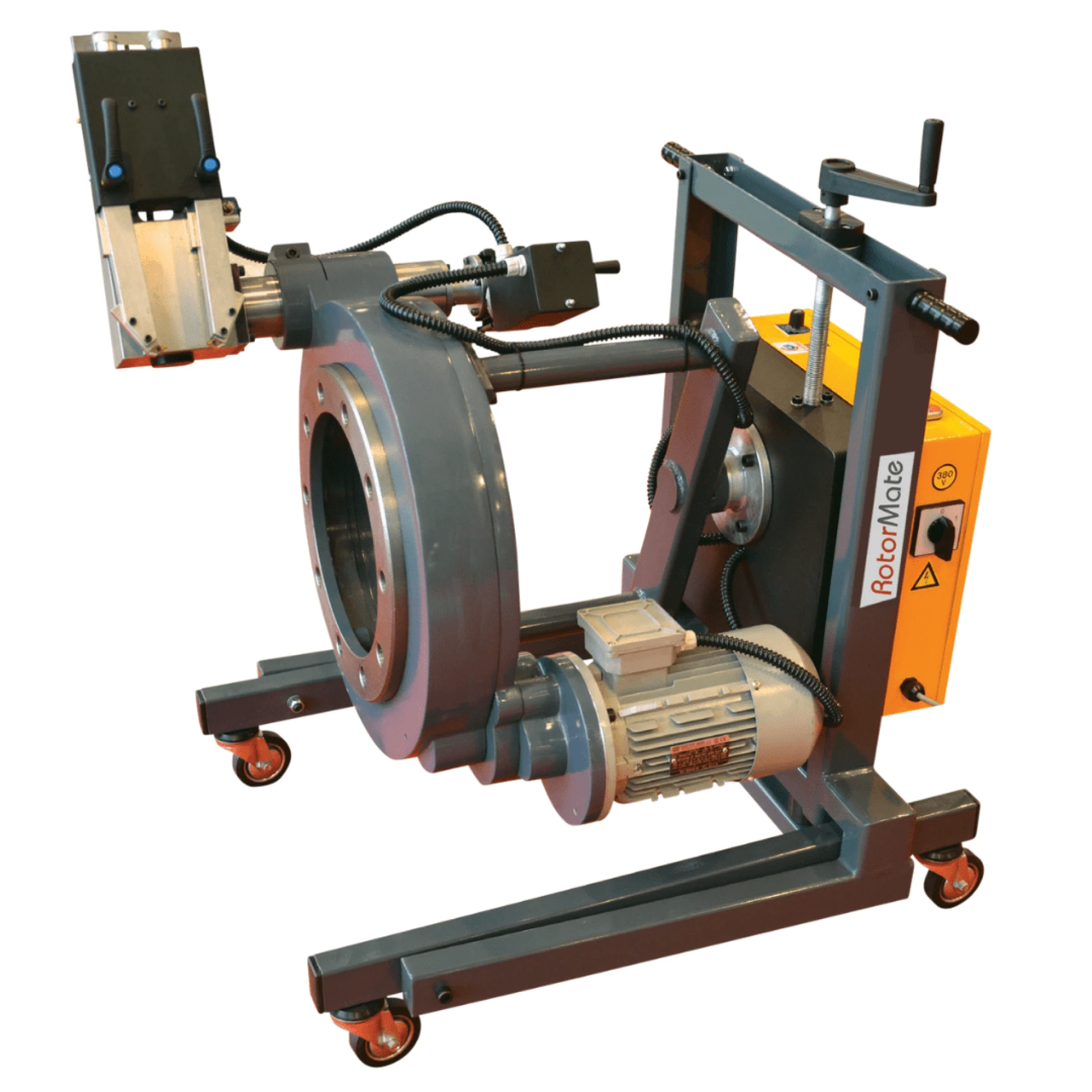

Why does a hub and rotor assembly that used to slide apart easily years ago suddenly act like it's welded shut? In the world of heavy-duty brake service, technicians run into this frustrating problem almost daily. What looks like a mechanical failure is usually just the natural result of weather, road grime, and constant heat. A Hub and Rotor Removal Tool is designed for these exact moments, tackling the seizure at the mating surfaces so parts can be separated safely and predictably.
The real culprit here is "corrosion lock." It’s a slow-motion process fueled by moisture, road salt, and endless heat cycles. As rust builds up between the hub and the rotor, it creates a bond that traditional methods just can't break easily. Once you understand how this happens, you stop relying on "brute force" and start focusing on precision and safety.
Understanding Corrosion Lock in Heavy-Duty Brakes
Corrosion lock happens when oxidation and debris pack into the tiny spaces between the hub and rotor surfaces. Over time, this buildup creates a tight interference fit that holds the components together, even after you’ve removed every single bolt and piece of hardware.
Common Causes of Seized Components
Several factors in the field make this condition worse:
- Constant exposure to rain, snow, and corrosive de-icing chemicals
- Extreme heat cycles that accelerate rust and surface bonding
- The very tight tolerances found in modern air disc brake setups
- "Galvanic" reactions between different types of metal at the contact points
Once this bond sets in, a simple brake job can turn into a labor-intensive nightmare.
Why Old-School Removal Methods Fall Short
For decades, technicians have grabbed sledgehammers, pry bars, or torches to beat seized rotors loose. While these might eventually work, they bring a lot of risk and inconsistency to the shop floor.
The Dangers of Impact-Based Removal
Applying uncontrolled force can easily ruin expensive parts:
- Cracked, chipped, or warped rotors
- Dented or distorted hub mounting faces
- Internal damage to bearings and seals
- A much higher risk of technician fatigue or injury
Using heat is just as risky, as it can change the strength of the metal or create fire hazards in a busy workshop.
Controlled Mechanical Separation: The Modern Way
Modern tools apply steady, measured pressure exactly where the corrosion bond is strongest. A tool like the HR Splitter Mate™ is engineered to solve this by "splitting" the hub and rotor apart gradually, rather than trying to shock them loose with a hammer.
How Steady Pressure Beats Corrosion
Mechanical separation works because it:
- Spreads pressure evenly across the mating surface
- Snaps the corrosion bonds bit by bit
- Removes the "shock" that causes parts to crack
- Keeps everything aligned so components don't bind
This approach lets you get the job done without any collateral damage.
Safety and Consistency in the Brake Shop
Standardizing how you pull hubs and rotors apart makes the shop safer and the work more repeatable. When you take the "swinging a hammer" part out of the equation, you drastically reduce injuries and technician burnout.
Advantages for Fleet Maintenance:
In high-volume shops, using a controlled tool makes every repair consistent. It cuts down on service times, stops parts from being broken during removal, and ensures that every tech is following the same high-quality procedure. This turns what used to be a "guessing game" into a streamlined, efficient process.
Protecting Components for the Long Term
Using a gentle, controlled separation protects the metal surfaces so they can be cleaned and reassembled correctly. By avoiding damage during removal, you make it less likely that the parts will seize up again in the future, improving the overall quality of the brake service.
In short, a Hub and Rotor Removal Tool replaces improvisation and "bigger hammers" with control and logic. By using an engineered solution like the HR Splitter Mate™, you turn a difficult, dangerous task into a safe and reliable part of your maintenance routine.


























Sign in to leave a comment.