
Can a Transplant Drug Prevent Alzheimer's Disease?
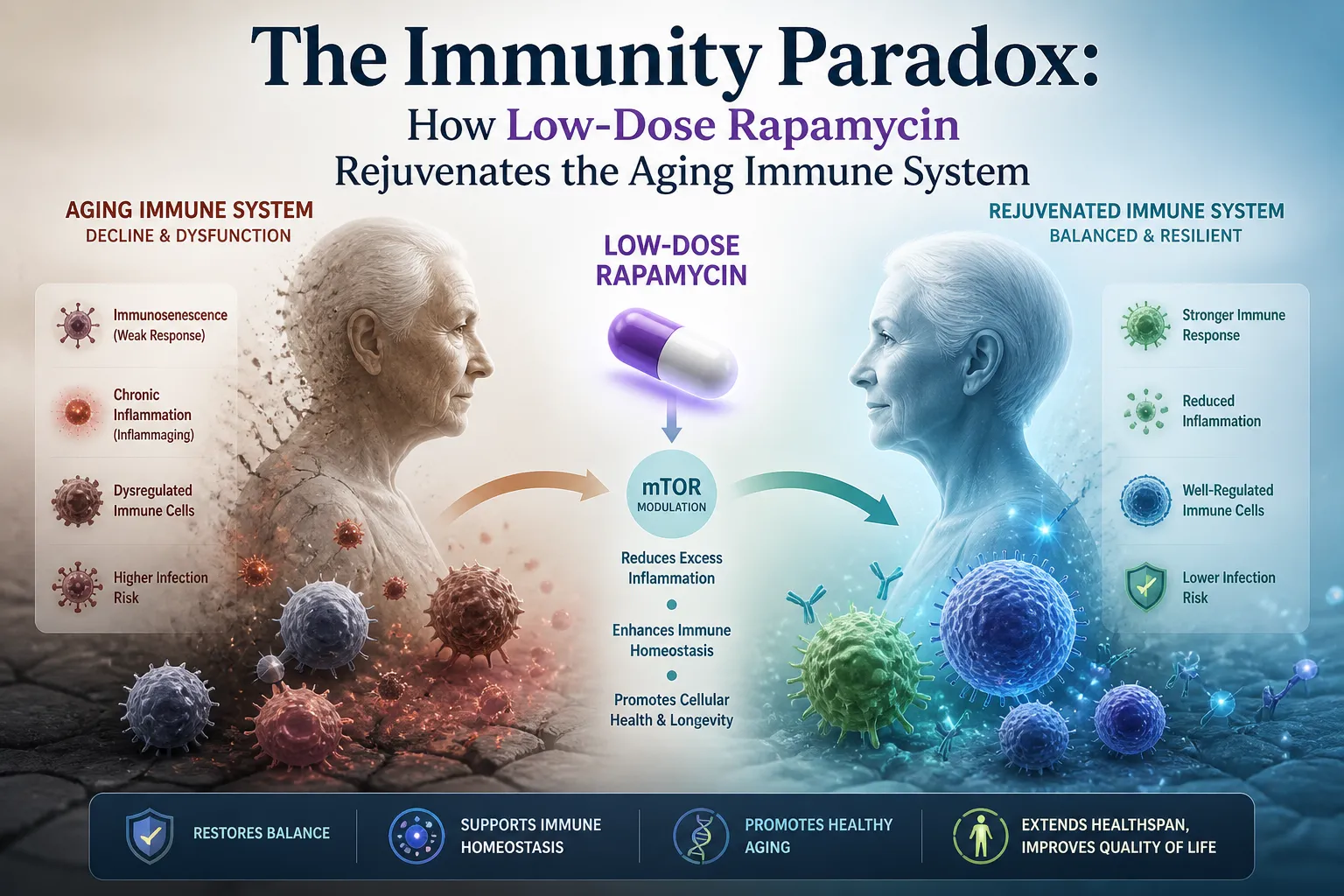
As we navigate through 2025, rapamycin has emerged as one of the most promising compounds in dementia prevention. This FDA-approved drug, originally designed to prevent organ transplant rejection, is showing remarkable potential in protecting brain health—especially for individuals carrying the APOE4 gene.
Recent breakthroughs suggest that rapamycin may restore brain function before Alzheimer's symptoms even appear. In this article, we'll explore the latest research, how it works, and what it means for you.
APOE4: The Genetic Risk Factor Affecting 25% of People
What is APOE4?
The APOE4 gene variant is the strongest genetic risk factor for late-onset Alzheimer's disease:
- One copy: 3-7x higher risk
- Two copies: 12-15x higher risk
- Prevalence: Affects 25% of the population
The Problem: Damage Starts Decades Early
APOE4 carriers experience brain changes in their 40s and 50s—long before symptoms appear:
- Reduced cerebral blood flow
- Compromised blood-brain barrier
- Increased inflammation
- Impaired clearance of toxic proteins
The 2025 Breakthrough: University of Missouri Study
The Lin Brain Lab at the University of Missouri released game-changing results in early 2025.
Study Design
Researchers gave cognitively normal APOE4 carriers (ages 45-65) just 1 mg of rapamycin daily for only 4 weeks.
Remarkable Results
✅ Significantly increased brain blood flow ✅ Restored hippocampus volume (memory center) ✅ Improved blood-brain barrier function ✅ Zero serious side effects
This represents the first human evidence that we can reverse early brain changes in at-risk individuals before symptoms appear.
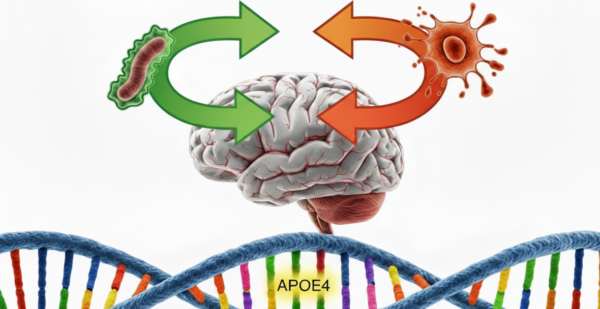
How Rapamycin Works: Three Key Mechanisms
1. Strengthens the Blood-Brain Barrier
The blood-brain barrier (BBB) is your brain's protective shield. In APOE4 carriers, it becomes leaky early, allowing:
- Inflammatory molecules to enter
- Toxic proteins to accumulate
- Blood flow to decrease
Rapamycin tightens the BBB and restores proper blood circulation by inhibiting the mTOR pathway.
2. Activates Autophagy (Cellular Cleanup)
Autophagy is your brain's natural recycling system. It clears out:
- Amyloid-beta plaques
- Tau tangles
- Damaged mitochondria
- Toxic protein aggregates
Rapamycin enhances this cleanup process, preventing the buildup that causes Alzheimer's.
3. Reduces Neuroinflammation
By dampening inflammatory pathways, rapamycin protects neurons from damage and supports healthy brain aging.
The Double-Edged Sword of Autophagy
While autophagy is protective, it must be carefully balanced.
The Good Side
- Clears toxic proteins before they cause damage
- Removes dysfunctional cellular components
- Maintains brain health and cognitive function
The Risk
- Excessive autophagy can trigger cell death
- Too much cleanup can harm healthy structures
- Balance is critical for therapeutic benefit
Finding the Sweet Spot
Low-dose rapamycin (1-7 mg weekly) appears to enhance beneficial autophagy without triggering harmful effects. This is why dosing strategy is crucial.
Clinical Trials: What We Know in 2025
The PEARL Trial (Safety Confirmed)
114 healthy older adults took 5-10 mg weekly for 48 weeks.
Results:
- Safe and well-tolerated
- Improved muscle mass in women
- Reduced pain scores
- No serious adverse events
The CARPE_DIEM Trial (Important Lesson)
Tested 1 mg daily in people with mild cognitive impairment.
Finding: Drug didn't reach the brain in detectable amounts at this dose.
Lesson: APOE4 carriers' "leakier" blood-brain barrier may actually help rapamycin reach the brain more effectively—explaining the Missouri study's success.
Ongoing Trials (Results Expected Late 2025)
- ERAP Trial: Testing 7 mg weekly
- REACH Trial: Testing 1 mg daily long-term
These will determine if rapamycin can prevent cognitive decline in at-risk populations.
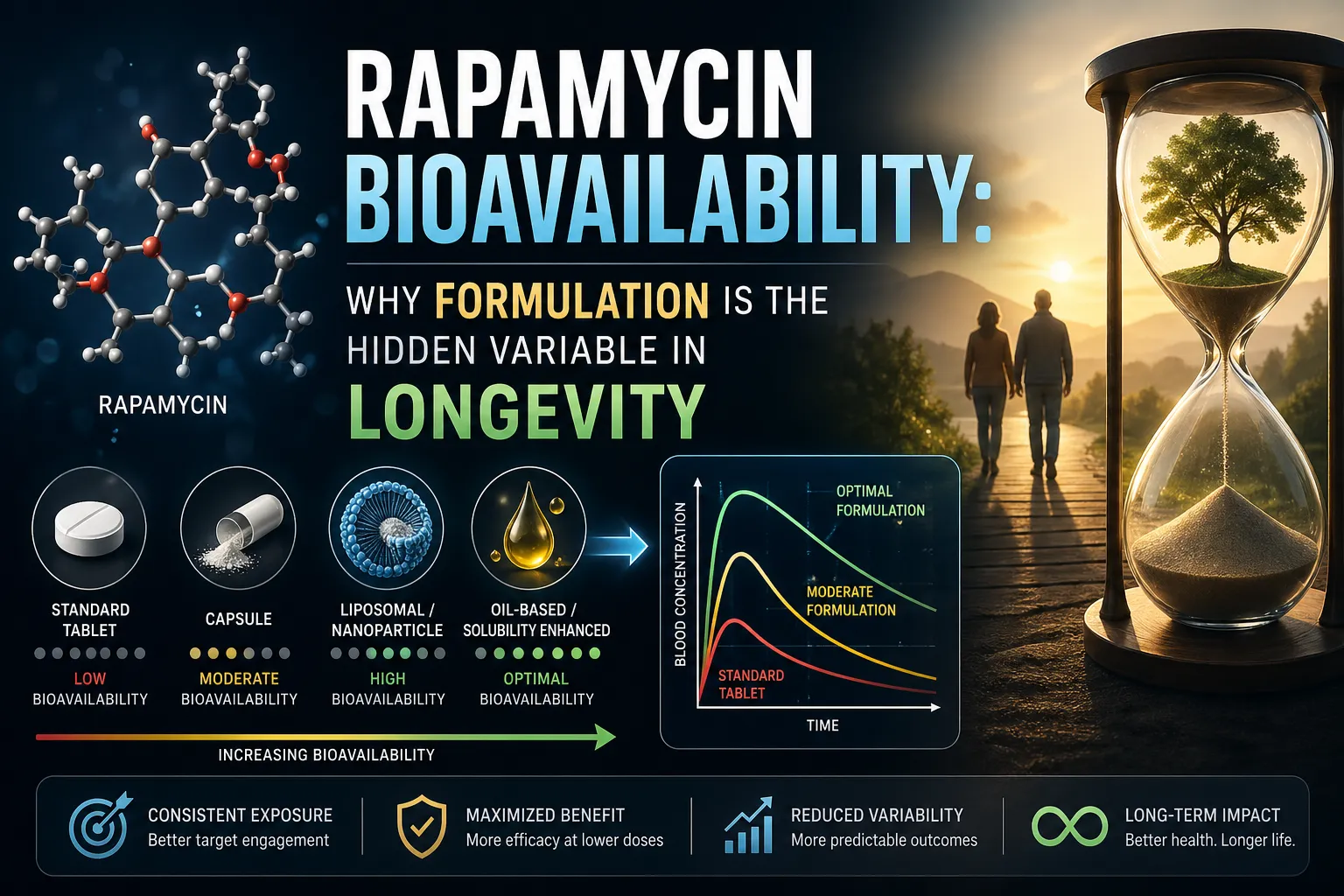
Common Formulations
- Oral tablets: Standard form used in trials
- Compounded versions: Variable quality
- Topical cream: FDA-approved for skin conditions only
Side Effects at Low Doses (1-7 mg weekly)
Mild:
- Occasional mouth ulcers
- Mild GI discomfort
- Slight lipid changes
Rare:
- Minor infection risk
- Delayed wound healing
Note: High doses (transplant doses) cause immunosuppression. Low longevity doses minimize this risk.
Frequently Asked Questions
Does rapamycin work for everyone?
Current evidence is strongest for APOE4 carriers. Whether it benefits non-carriers is still under investigation.
What's the optimal dose for brain health?
No gold standard yet. Trials are testing:
- 1 mg daily
- 5-7 mg weekly
- 10 mg weekly
Most experts favor low-dose intermittent protocols (weekly dosing).
Should I get APOE4 testing?
Personal decision. Consider:
Pros: Enables early intervention, informs lifestyle choices, allows trial participation
Cons: May cause anxiety, no guaranteed prevention
When should I start thinking about prevention?
- 40s-50s: Brain changes begin in APOE4 carriers
- Intervention works best before symptoms appear
- Earlier is better for prevention
What You Can Do Now
If You're an APOE4 Carrier
- Talk to your doctor about clinical trials
- Build the foundation: Exercise, Mediterranean diet, quality sleep
- Monitor brain health with cognitive assessments
- Stay informed on trial results
Natural Ways to Enhance Autophagy
You can support brain health now through lifestyle:
Intermittent Fasting: 16-18 hour fasting windows Exercise: Both aerobic and resistance training Quality Sleep: Essential for brain clearance Brain-Healthy Foods: Green tea, coffee, turmeric, cruciferous vegetables Stress Management: Meditation and mindfulness
Consider These Supplements
While not as potent as rapamycin, these have better safety profiles:
- Spermidine (wheat germ, soybeans)
- Resveratrol (grapes, berries)
- Urolithin A (pomegranates)
What's Coming: Late 2025 and Beyond
Major Trial Results
Results from ERAP and REACH trials will answer:
- Can rapamycin prevent cognitive decline?
- What's the optimal dose?
- Who benefits most?
Next-Generation Compounds
Researchers are developing improved versions:
- Better brain penetration
- Fewer side effects
- More targeted action
Combination Approaches
Promising research on:
- Rapamycin + Metformin
- Rapamycin + Exercise protocols
- Rapamycin + NAD+ boosters
The Bottom Line: Cautious Optimism for 2025
The rapamycin story represents a paradigm shift in Alzheimer's prevention—moving from treating symptoms to preventing the disease before it starts.
What We Know:
- Rapamycin restores brain function in APOE4 carriers
- Low doses appear safe for long-term use
- Early intervention is most effective
- It targets multiple disease mechanisms
What's Still Unknown:
- Optimal dosing for different populations
- Long-term prevention efficacy
- Whether benefits extend beyond APOE4 carriers
For APOE4 carriers, the Missouri study results offer genuine hope: measurable brain improvements with a brief, low-dose intervention.
Key Actions:
- Consider genetic testing to know your risk
- Implement brain-healthy lifestyle now
- Watch for clinical trial results
- Discuss options with your healthcare provider
- Remember: prevention is most effective in midlife
As we move through 2027, the data will become clearer. Whether rapamycin becomes mainstream or remains specialized, it represents something invaluable: science-backed hope for preventing one of humanity's most devastating diseases.

























Sign in to leave a comment.