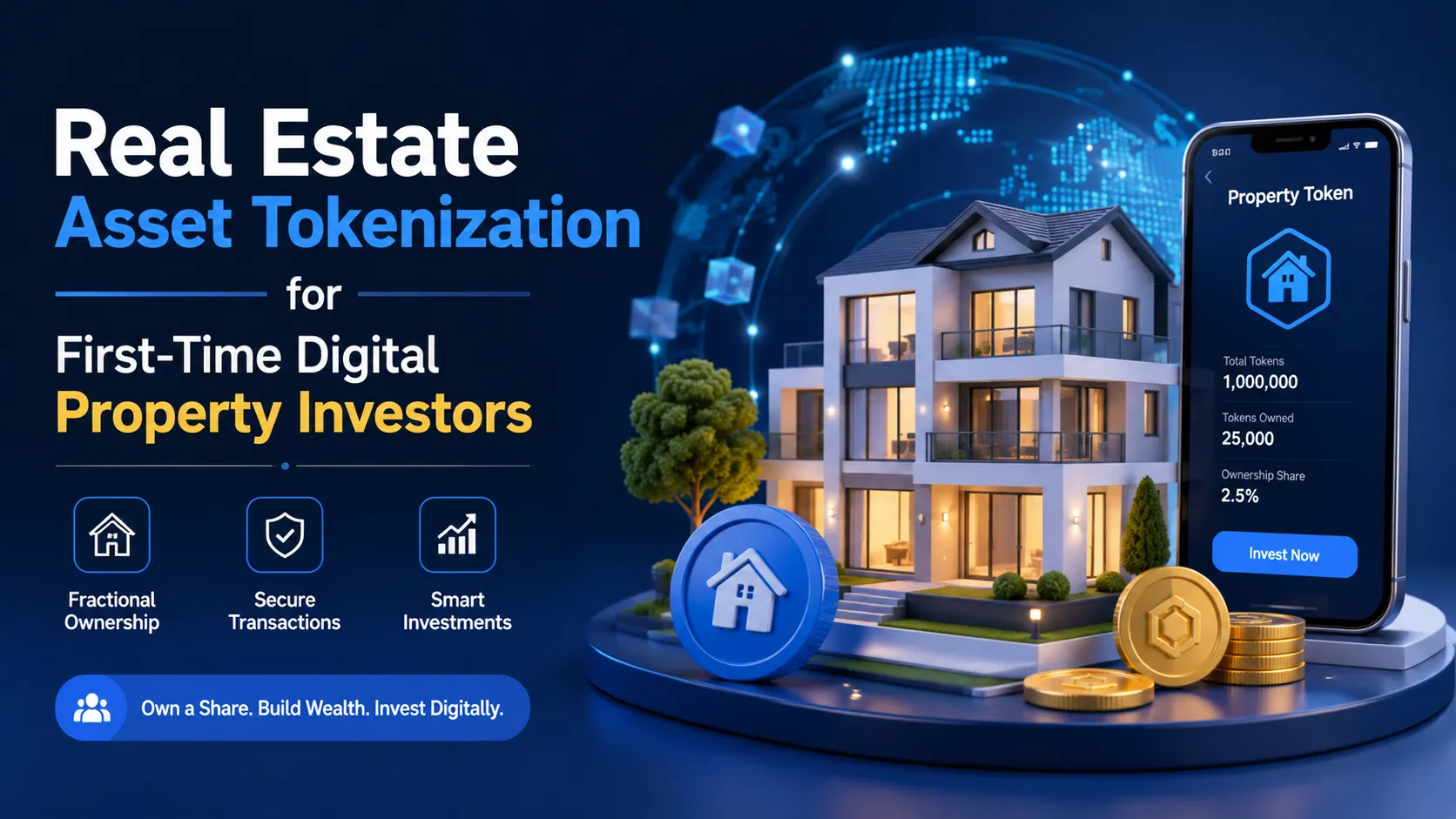

The real estate market has traditionally required significant capital, long holding periods, and complex legal procedures before investors could participate. These barriers often kept many first-time investors away from premium commercial buildings, residential developments, and income-generating properties. Digital ownership models are changing this situation by making property investment more accessible through blockchain technology.
Real Estate Tokenization allows physical property ownership to be represented as digital tokens on a blockchain. Instead of purchasing an entire property, investors can purchase smaller ownership portions based on their budget. This approach gives newcomers an opportunity to participate in property investments without making a large financial commitment.
As interest in digital assets continues to grow, many investors are learning how real estate asset tokenization works and how it differs from conventional property investments. Businesses are also working with a Real Estate Tokenization company to create investment platforms that comply with regulations while providing a better investment experience. Understanding the basics before investing helps first-time buyers make informed decisions and avoid unnecessary risks.
Understanding Real Estate Asset Tokenization
Real estate asset tokenization is the process of converting ownership rights of a physical property into digital tokens stored on a blockchain network. Each token represents a fraction of ownership, allowing multiple investors to own portions of the same asset.
For example, a commercial office worth $5 million can be divided into thousands of digital tokens. Investors purchase these tokens rather than buying the complete property.
The property itself remains legally owned through an approved ownership structure, while blockchain records token ownership securely. Investors may receive rental income, dividends, or capital appreciation based on the structure of the investment.
Unlike cryptocurrencies that may not represent physical assets, these tokens are linked to actual real estate, making them asset-backed digital investments.
Why First-Time Investors Are Looking at Tokenized Real Estate
Many new investors struggle to enter traditional property markets because of financial limitations. Property prices continue to rise in many countries, making ownership difficult for beginners.
Tokenization reduces several of these barriers.
Some common reasons include:
- Lower investment requirements
- Fractional ownership opportunities
- Access to premium real estate
- Digital investment management
- Simplified portfolio diversification
- Faster investment participation
Instead of waiting years to save enough money for a property purchase, investors can begin with smaller investments while learning how digital real estate markets operate.
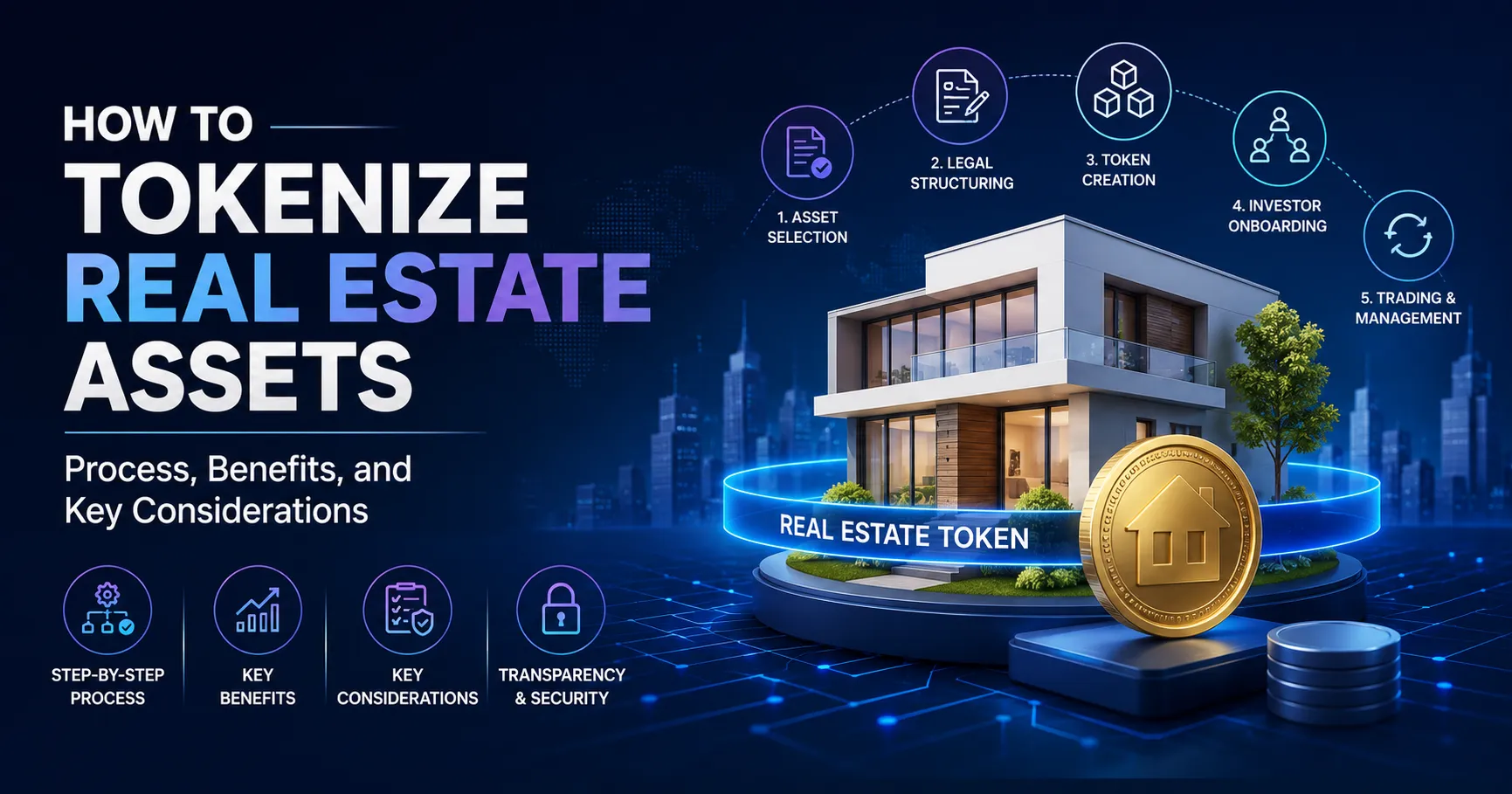
How Real Estate Tokenization Works
Understanding the investment process helps beginners make informed decisions.
Property Selection
A residential, commercial, industrial, or mixed-use property is selected for tokenization.
Legal Structuring
Ownership is organized according to local regulations. Legal documentation defines investor rights and responsibilities.
Token Creation
Using blockchain technology, digital tokens representing ownership shares are issued through real estate tokenization development.
Platform Listing
The tokens become available through investment platforms where approved investors can purchase ownership shares.
Investor Participation
After completing identity verification, investors purchase tokens using supported payment methods.
Income Distribution
Rental income or other returns are distributed according to token ownership percentages.
Secondary Trading
Depending on regulations and platform rules, investors may sell their tokens through secondary marketplaces.
Benefits for First-Time Digital Property Investors
Lower Entry Costs
One of the biggest advantages is affordability.
Instead of purchasing an entire apartment building or commercial property, investors can purchase a small ownership percentage. This allows people with limited investment capital to enter the market.
Lower investment amounts also reduce financial pressure while gaining practical investment experience.
Portfolio Diversification
Rather than placing all available funds into one property, investors can spread investments across multiple properties.
This may include:
- Residential apartments
- Office buildings
- Shopping centers
- Warehouses
- Student housing
- Vacation properties
Diversification reduces dependence on the performance of a single asset.
Digital Ownership Records
Blockchain maintains ownership records in a secure and permanent format.
Investors can verify ownership information, transaction history, and token distribution without relying on multiple paper documents.
This creates a reliable record of transactions throughout the investment lifecycle.
Faster Transactions
Traditional property transactions often require weeks or months.
Digital token transactions may be completed much faster once compliance checks have been completed.
Administrative work is also reduced because many ownership records exist digitally.
Global Investment Opportunities
Tokenization allows investors to participate in properties located in different countries, subject to local regulations.
This provides access to markets that might otherwise remain inaccessible due to geographical limitations or high property prices.
Types of Properties Available for Tokenization
Several categories of real estate can be tokenized.
Residential Properties
- Apartments
- Villas
- Housing communities
- Rental homes
These properties often generate rental income while offering long-term appreciation potential.
Commercial Buildings
Office spaces, shopping malls, retail centers, and business parks frequently attract institutional and retail investors.
Industrial Properties
Warehouses, manufacturing facilities, logistics centers, and distribution hubs are becoming increasingly popular because of growing e-commerce demand.
Hospitality Properties
Hotels, resorts, serviced apartments, and vacation rentals may also be divided into digital ownership shares.
Mixed-Use Developments
These combine residential, retail, office, and entertainment spaces within one property development.
Risks Every Beginner Should Understand
Although tokenization provides new investment opportunities, every investment carries risk.
Market Risk
Property values may increase or decrease depending on economic conditions, interest rates, and regional demand.
Regulatory Changes
Digital asset regulations continue to develop in many countries.
Investors should understand applicable laws before investing.
Liquidity Risk
Although tokenized assets may be easier to trade than traditional real estate, finding buyers is not always immediate.
Liquidity depends on market demand.
Property Performance
Rental income depends on occupancy, maintenance, operating expenses, and property management.
Poor performance affects investor returns.
Technology Risk
Investment platforms rely on blockchain infrastructure and cybersecurity measures.
Investors should use reputable platforms with established security practices.
How to Choose a Reliable Tokenization Platform
Selecting the right investment platform is one of the most important decisions.
Consider the following factors:
Regulatory Compliance
The platform should comply with applicable financial regulations and investor verification requirements.
Property Documentation
Investors should have access to property valuation reports, ownership details, financial projections, and legal documentation.
Security Standards
Look for platforms using secure wallet integration, encryption, and regular security reviews.
Investment Information
A platform should provide information about expected returns, rental income, management fees, and investment risks.
User Experience
Simple navigation, investment tracking, and portfolio management make participation easier for first-time investors.
Many businesses work with a Real Estate Tokenization Development company to create investment platforms that satisfy these expectations while supporting long-term business growth.
The Technology Behind Real Estate Tokenization
Several technologies work together to support digital property ownership.
Blockchain
Blockchain stores ownership records and transaction history.
Smart Contracts
Smart contracts automatically execute predefined conditions, including ownership transfers and income distributions.
Digital Wallets
Investors store ownership tokens in secure digital wallets.
Identity Verification
Know Your Customer (KYC) and Anti Money Laundering (AML) procedures verify investor identities before participation.
Asset Management Systems
Property performance, rental income, maintenance records, and investor communications are managed through integrated systems.
Businesses providing Real Estate Tokenization Platform Development often combine these technologies into one investment platform.
Why Businesses Are Investing in Tokenization Platforms
Growing investor interest has encouraged developers and property companies to launch digital investment platforms.
Benefits for businesses include:
- Access to a wider investor base
- Fractional investment opportunities
- Digital ownership management
- Reduced administrative work
- Improved fundraising flexibility
- Better investor engagement
Many organizations partner with a Real Estate Tokenization company that specializes in blockchain-based property investment platforms.
What Investors Should Check Before Investing
Before purchasing digital property tokens, beginners should review several factors.
Check property ownership documents.
Understand the legal structure supporting investor ownership.
Review historical rental performance where available.
Understand management fees and operating expenses.
Read the token offering documentation carefully.
Verify investor rights.
Understand exit opportunities before investing.
Research the platform's operating history.
Learning these areas helps investors avoid making decisions based only on promotional material.
Future Outlook for Digital Property Investment
Digital property ownership continues to receive attention from real estate developers, investment firms, financial institutions, and technology providers.
As regulations become more established and blockchain adoption increases, more properties may become available for fractional investment. Improvements in investor education and digital infrastructure are also expected to support wider participation.
Businesses offering Real Estate Tokenization Services continue expanding solutions that simplify investment management, regulatory compliance, and digital asset administration. At the same time, demand for real estate tokenization development is increasing among property owners seeking alternative fundraising methods.
The combination of blockchain technology and traditional real estate is creating new investment opportunities for individuals entering the property market for the first time.
Conclusion
Real Estate Tokenization provides first-time digital property investors with an opportunity to participate in real estate ownership without purchasing an entire property. Fractional ownership, digital record management, and wider access to investment opportunities make this model attractive for beginBlockchain App Factoryners who want to start with smaller investments while gaining exposure to the real estate market. Like any investment, careful research, understanding legal requirements, evaluating property performance, and selecting a reliable platform remain important before making investment decisions. As interest in real estate asset tokenization continues to grow, businesses are investing in reliable digital property platforms to meet market demand. Blockchain App Factory provides Real Estate Tokenization Development Services that help businesses develop secure and compliant tokenization platforms for modern real estate investment ecosystems.
FAQs
1. What is Real Estate Tokenization?
Real Estate Tokenization is the process of converting ownership rights of a physical property into digital blockchain tokens. These tokens represent fractional ownership, allowing multiple investors to participate in a single real estate asset.
2. Is real estate asset tokenization suitable for first-time investors?
Yes. Since investors can purchase smaller ownership portions instead of entire properties, real estate asset tokenization offers a more accessible entry point for beginners with limited investment capital.
3. How do investors earn returns from tokenized real estate?
Returns may come from rental income, profit distributions, or property value appreciation, depending on the investment structure and legal framework of the tokenized asset.
4. What services does a Real Estate Tokenization company provide?
A Real Estate Tokenization company typically assists with blockchain integration, legal structuring support, smart contract implementation, investor management features, compliance workflows, and platform deployment for property tokenization projects.
5. What is included in Real Estate Tokenization Development Services?
Real Estate Tokenization Development Services generally include token creation, smart contract development, digital wallet integration, KYC and AML implementation, investor dashboards, property management modules, and blockchain infrastructure integration.
6. Why is Real Estate Tokenization Platform Development important?
Real Estate Tokenization Platform Development provides businesses with the digital infrastructure required to issue property tokens, manage investors, process transactions, distribute returns, and maintain secure ownership records within a compliant investment environment.

























Sign in to leave a comment.