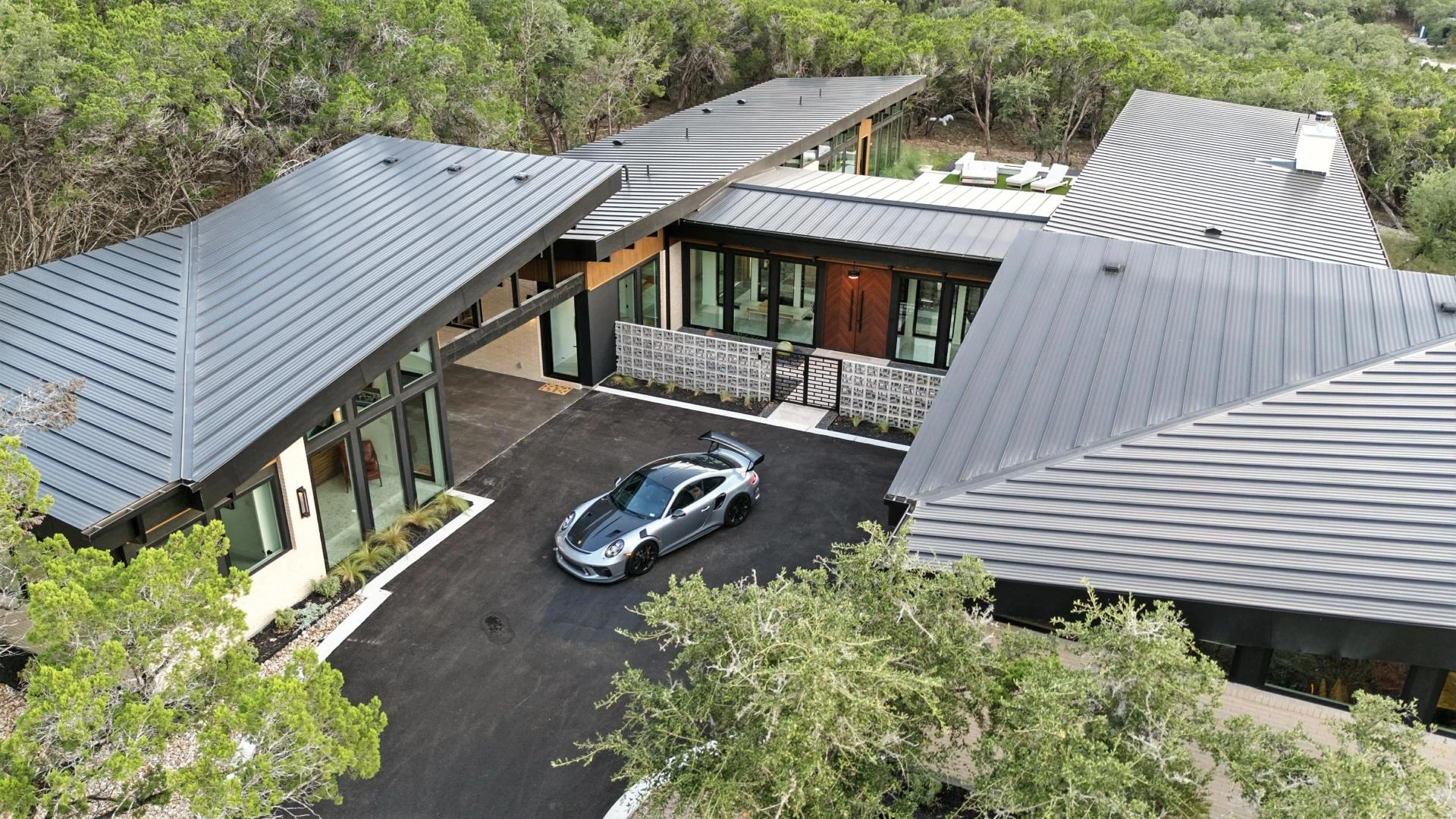

Property photos often decide whether a buyer clicks on a listing or scrolls past it. While professional photography is important, how those photos are edited plays an equally strong role. In 2026, many real estate professionals rely on an AI real estate photo editor not just for basic fixes, but for smart, time-saving editing hacks that improve results without over-editing.
This article shares practical, real-world hacks that realtors and marketers use with AI tools to enhance property photos while keeping them accurate and buyer-friendly.
Start With Fewer, Better Photos
One common mistake is uploading every photo from a shoot. An effective hack when using an AI real estate photo editor is to be selective before editing begins.
Choose photos with good angles and clear room views. AI works best when it enhances strong images rather than trying to rescue poor ones. Fewer, higher-quality photos also allow AI to apply more consistent adjustments across the listing, improving the overall visual flow.
Let AI Handle Lighting Before Manual Tweaks
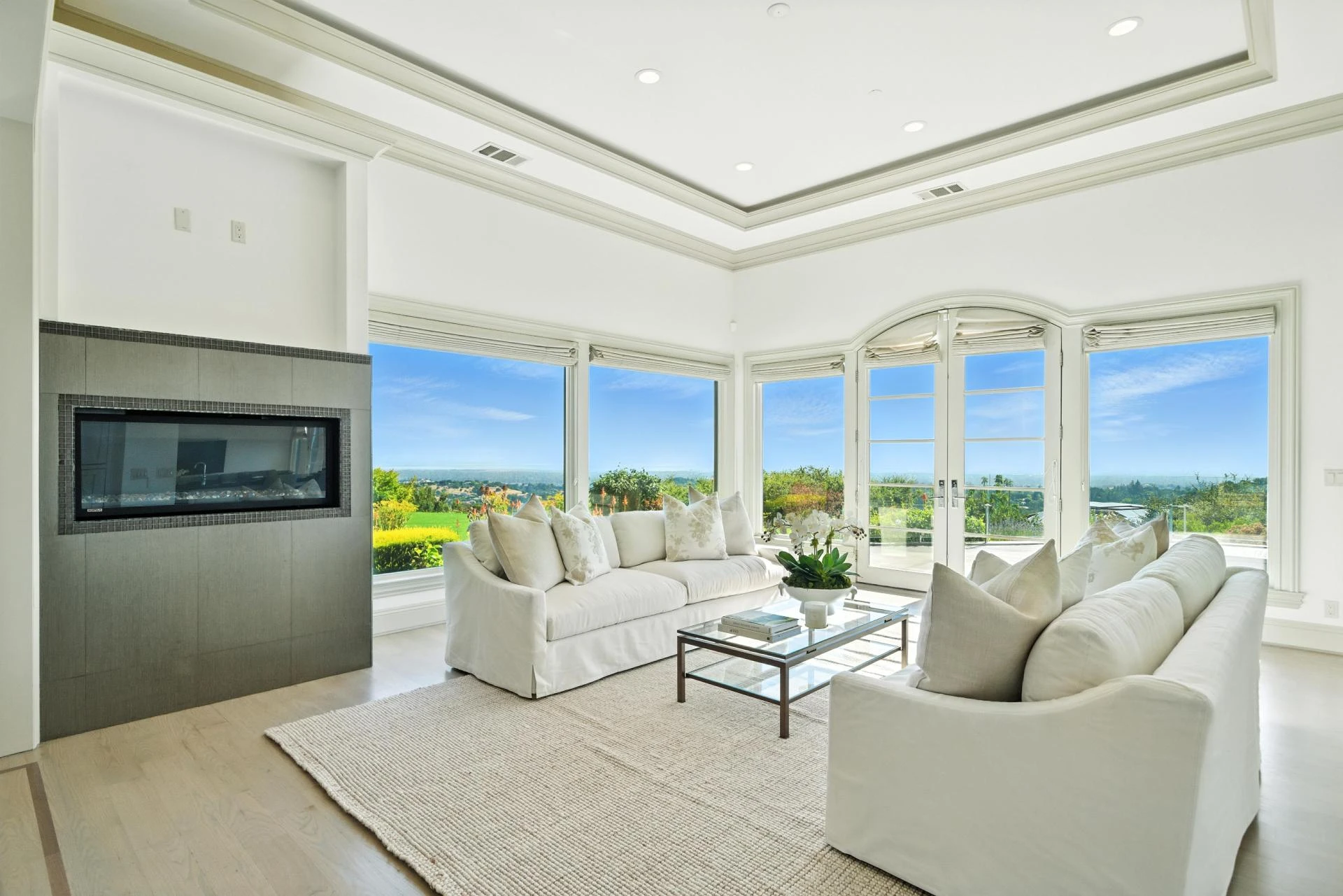
Lighting correction is where an AI real estate photo editor saves the most time. A useful hack is to rely on AI for full lighting balance before making any manual changes.
AI tools are trained to adjust shadows, highlights, and exposure evenly across rooms. Once AI completes this step, human review becomes faster and simpler. Instead of fixing basic brightness issues, realtors can focus on whether the image truly reflects the space.
Use AI to Fix Color First, Not Filters
Many people are tempted to use filters early, but this can lead to unrealistic colors. A better approach with an AI real estate photo editor is to let AI correct white balance and color tones first.
AI removes yellow, blue, or green color casts caused by mixed lighting. Once colors look natural, photos feel cleaner without needing heavy filters. This hack keeps images honest and avoids buyer disappointment later.
Apply One Editing Style Across the Whole Listing
Consistency increases trust. A simple but effective hack is to apply the same AI editing preset across all images in a listing.
An AI real estate photo editor allows batch editing so lighting, color, and clarity remain uniform. When buyers scroll through photos that feel visually connected, they stay engaged longer. This approach also reinforces brand identity for agents with multiple listings.
Use Perspective Correction on Every Interior Shot
Tilted walls or slanted doors may seem minor, but they affect how professional a listing feels. One reliable hack is to always enable perspective correction in your AI real estate photo editor.
AI automatically straightens vertical and horizontal lines without stretching the image. This makes rooms feel stable and balanced, which improves comfort for online viewers, especially on mobile screens.
Clean Small Distractions, Not the Whole Room
AI object removal can be powerful, but restraint is important. A smart hack is to remove only small, temporary distractions.
With an AI real estate photo editor, focus on items like loose cables, small wall marks, or background clutter. Avoid removing permanent fixtures or structural details. Buyers trust listings more when images look clean but realistic.
Improve Outdoor Photos Without Changing the Sky Too Much
Exterior images often suffer from dull lighting. A helpful hack is to use AI outdoor enhancement lightly.
An AI real estate photo editor can balance sky brightness, improve greenery, and adjust contrast. The key is to keep the sky natural. Overly dramatic skies may attract clicks, but they reduce trust when buyers visit the property in person.
Optimize Photos for Mobile Viewing
Many buyers browse listings on phones. One effective hack is to preview AI-edited photos on a mobile screen before publishing.
A good AI real estate photo editor produces images that remain clear on smaller displays. Balanced contrast and proper brightness help rooms look open and readable on mobile, which increases engagement.
Use Virtual Staging Only Where It Adds Clarity
Virtual staging works best in empty rooms that feel hard to understand. A useful hack is to stage only one or two key rooms instead of every space.
An AI real estate photo editor can add furniture that matches the room scale and lighting. Always label staged images clearly. Selective staging helps buyers imagine the space without overwhelming them or creating confusion.
Reuse AI Settings for Faster Future Listings
Once you find an editing style that works, save it. A practical hack is to reuse the same AI settings for similar properties.
Most AI real estate photo editor tools allow saved presets. This speeds up future editing and maintains a consistent look across listings, saving time and effort.
Review AI Results With Buyer Perspective in Mind
AI speeds up editing, but human review remains essential. A helpful habit is to review photos as if you were a buyer seeing the home for the first time.
Check whether the AI real estate photo editor has:
- Made rooms feel accurate in size
- Kept colors realistic
- Preserved important details
This review step helps avoid over-editing and supports honest marketing.
Learn From Listing Performance
Some AI platforms provide engagement data. A smart hack is to notice which photos receive more views or longer attention.
By pairing performance feedback with your AI real estate photo editor, you can improve future photo choices. Over time, this creates a data-backed editing style that resonates with buyers.
Balance Speed With Accuracy
One of the biggest advantages of an AI real estate photo editor is speed. However, rushing without review can cause mistakes.
The most effective professionals use AI to handle repetitive tasks quickly, then apply human judgment for final approval. This balance improves both efficiency and trust.
Final Thoughts
An AI real estate photo editor is more than a basic editing tool. When used with the right hacks, it becomes a practical assistant that saves time, improves consistency, and strengthens buyer engagement.
The key is not to overuse AI, but to use it wisely. Clean lighting, natural color, consistent style, and honest presentation matter more than dramatic effects. When realtors apply these simple AI editing hacks, property photos become clearer, more reliable, and more effective at connecting buyers with homes.






























Sign in to leave a comment.