

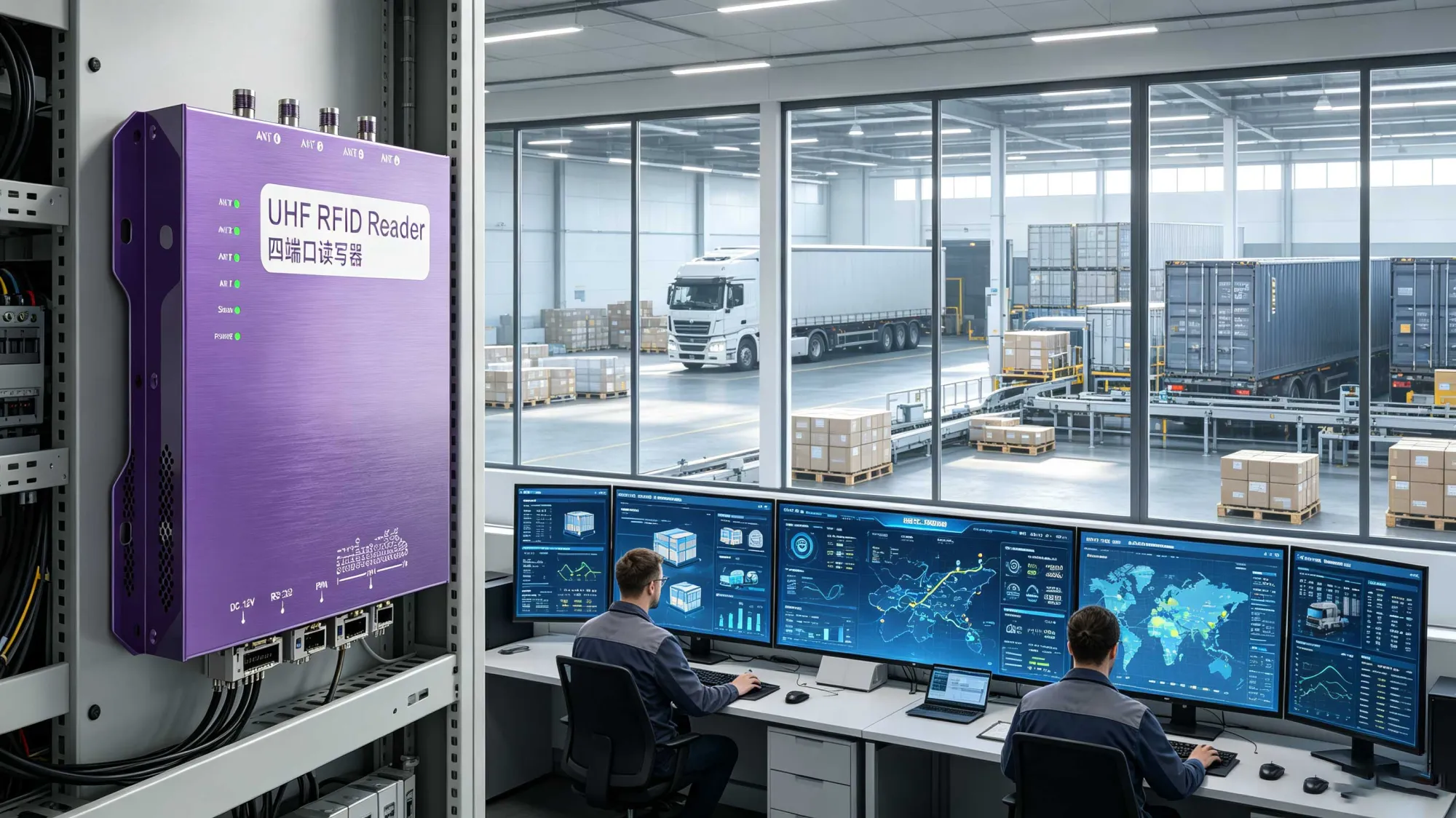
The first warehouse where I installed a rfid fixed reader had a habit that nobody officially approved of, but everyone relied on.
Forklift operators skipped scans when traffic got heavy.
Not constantly. Just enough. A missed barcode here, a delayed inventory update there. The warehouse still functioned, but inventory accuracy slowly drifted away from reality.
Management initially assumed the problem was discipline.
It wasn’t.
The process itself depended too heavily on interruption. Stop. Scan. Confirm. Continue.
Once the rfid fixed reader system replaced those manual checkpoints, the atmosphere inside the warehouse changed in a way that was difficult to measure at first. Less stopping. Fewer repeated actions. Inventory movement became quieter.
Not more dramatic. Just smoother.
RFID Fixed Reader Systems Don’t Operate in Ideal Conditions for Long
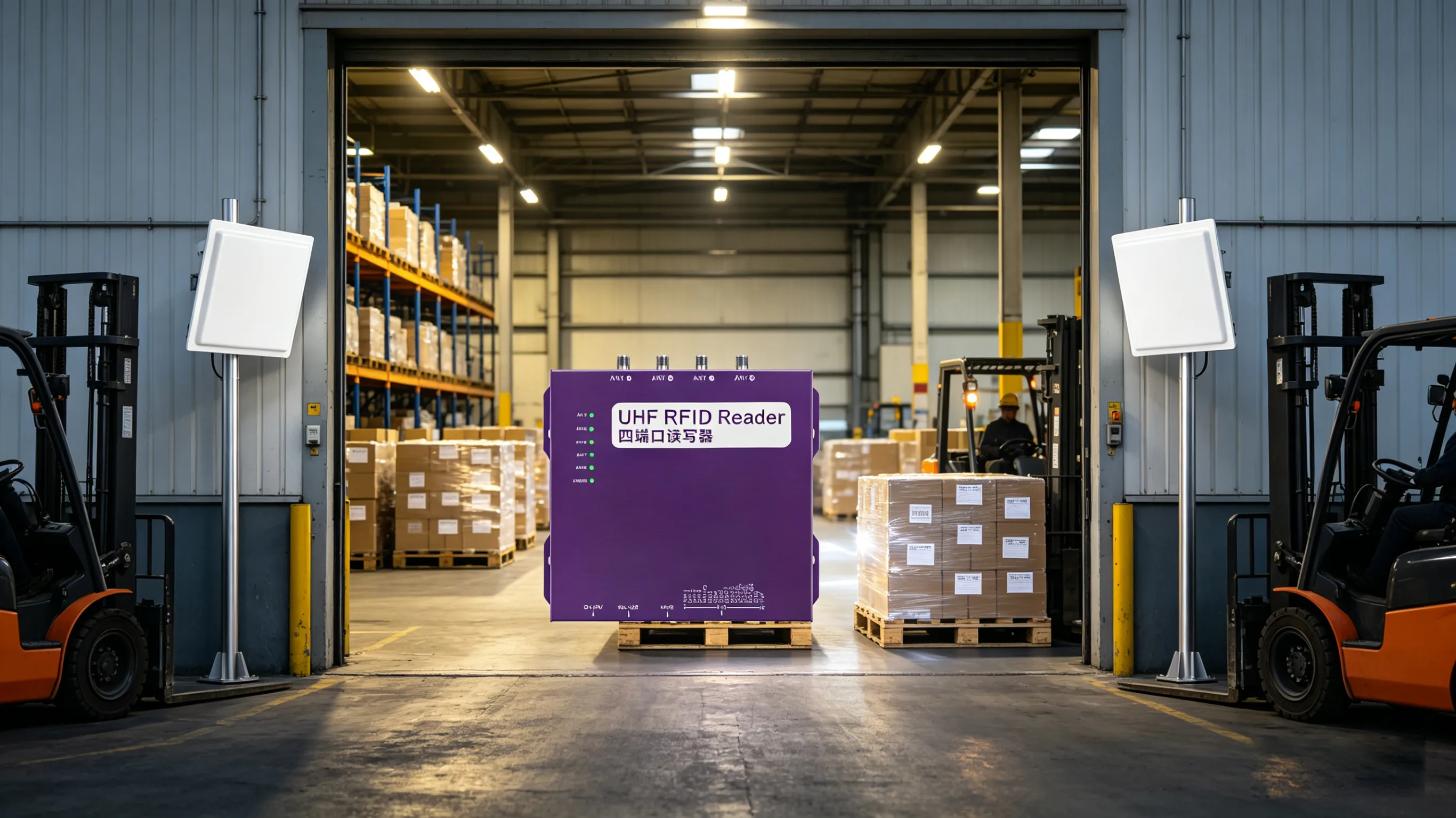
Most people encounter a rfid fixed reader through product specifications:
- UHF frequency range (860–960 MHz)
- EPC Gen2 / ISO 18000-63 support
- Multi-tag reading capability
- Long-range performance
On paper, modern RFID readers look remarkably stable.
According to the RAIN RFID Alliance, UHF RFID systems can process hundreds of tags per second and achieve read ranges exceeding 10 meters under optimized conditions.
But warehouses, production floors, and logistics yards rarely stay optimized.
Metal racks move. Inventory density changes. Operators create new movement patterns without telling anyone. Even the introduction of shrink wrap variations can subtly affect RF behavior.
The reader itself may remain unchanged while the environment continuously shifts around it.
UHF RFID Fixed Reader System: Why More Power Usually Isn’t the Answer
A uhf rfid fixed reader system often gets evaluated by range first. Buyers naturally want stronger coverage and longer read distance.
In practice, excessive range frequently creates operational noise.
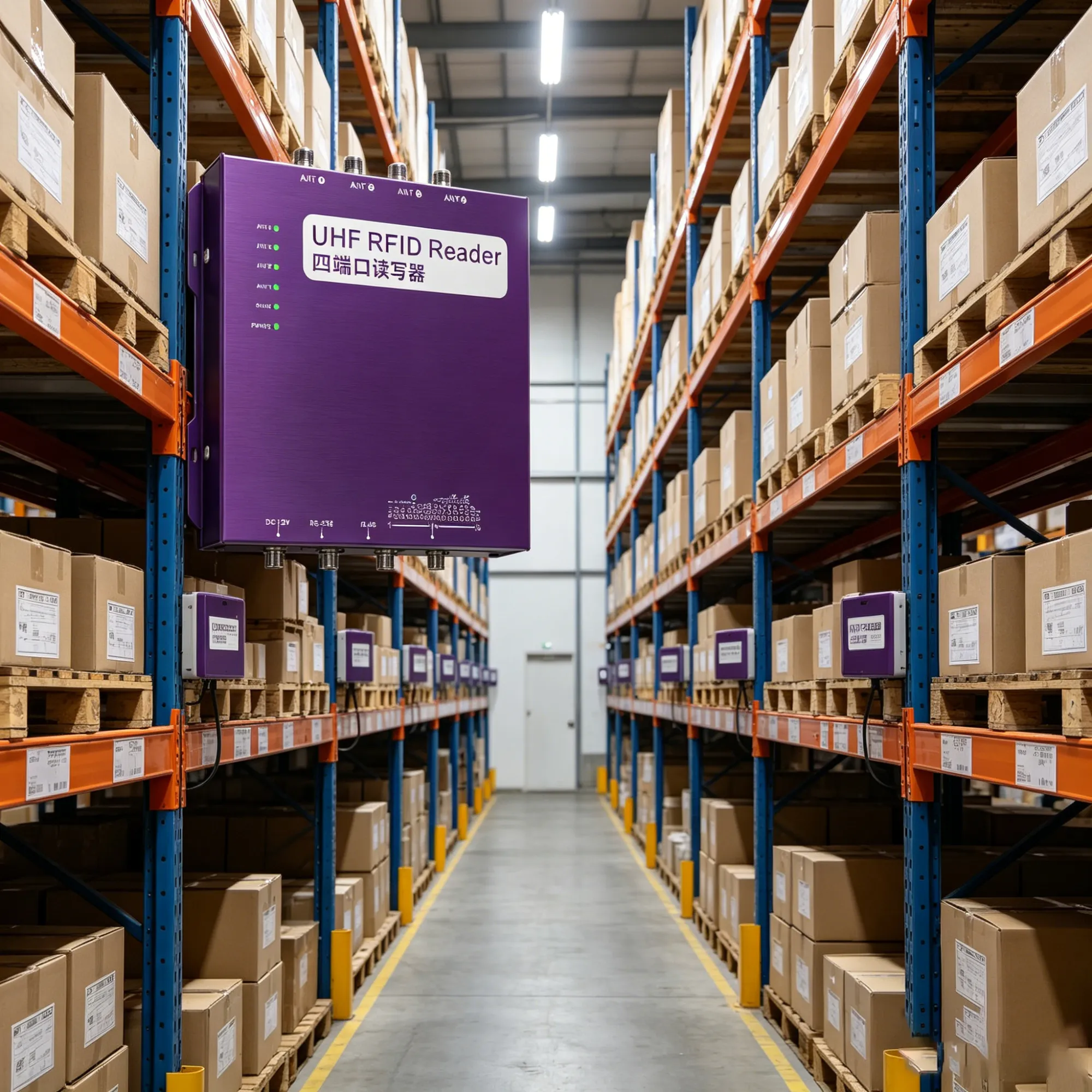
In one logistics center, we configured a rfid fixed reader above an outbound lane with relatively high transmit power to avoid missed reads.
The result looked excellent during testing.
A week later, unexpected inventory events started appearing. Pallets sitting near adjacent lanes were being captured unintentionally. The system showed movement that never actually happened.
We adjusted the configuration:
- Reduced transmit power
- Narrowed antenna directionality
- Lowered the reader’s mounting angle slightly
The effective read area became smaller.
The data became trustworthy again.
Research from Auburn University RFID Lab repeatedly emphasizes that controlled read zones produce more reliable operational outcomes than maximum RF coverage.
Industrial RFID Fixed Reader: Stability Matters More Than Speed
An industrial rfid fixed reader is often marketed around performance metrics:
- Fast read speed
- Harsh environment durability
- Continuous operation capability
Those things matter. But long-term consistency matters more.
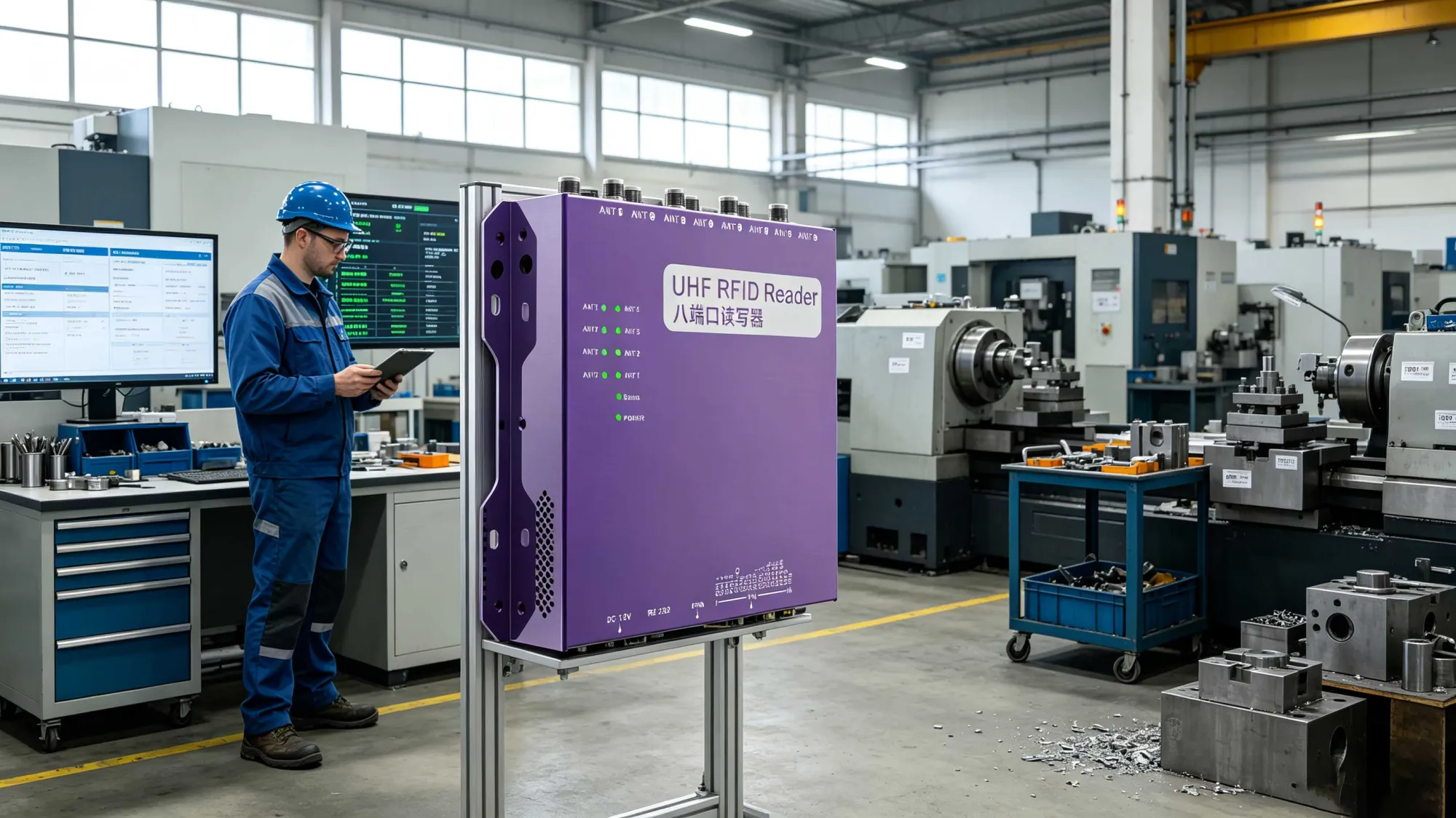
In one manufacturing facility, the RFID infrastructure initially worked almost perfectly. Months later, read performance began fluctuating around a specific production line.
The hardware hadn’t changed.
A new metal workstation had been added nearby during process expansion. RF reflections increased immediately.
We recalibrated antenna positioning and slightly adjusted polarization orientation. Read accuracy recovered.
This happens more often than most companies expect. Industrial RFID systems are shaped as much by the surrounding environment as by the hardware itself.
RFID Fixed Reader Warehouse Management: Human Behavior Always Changes the Workflow
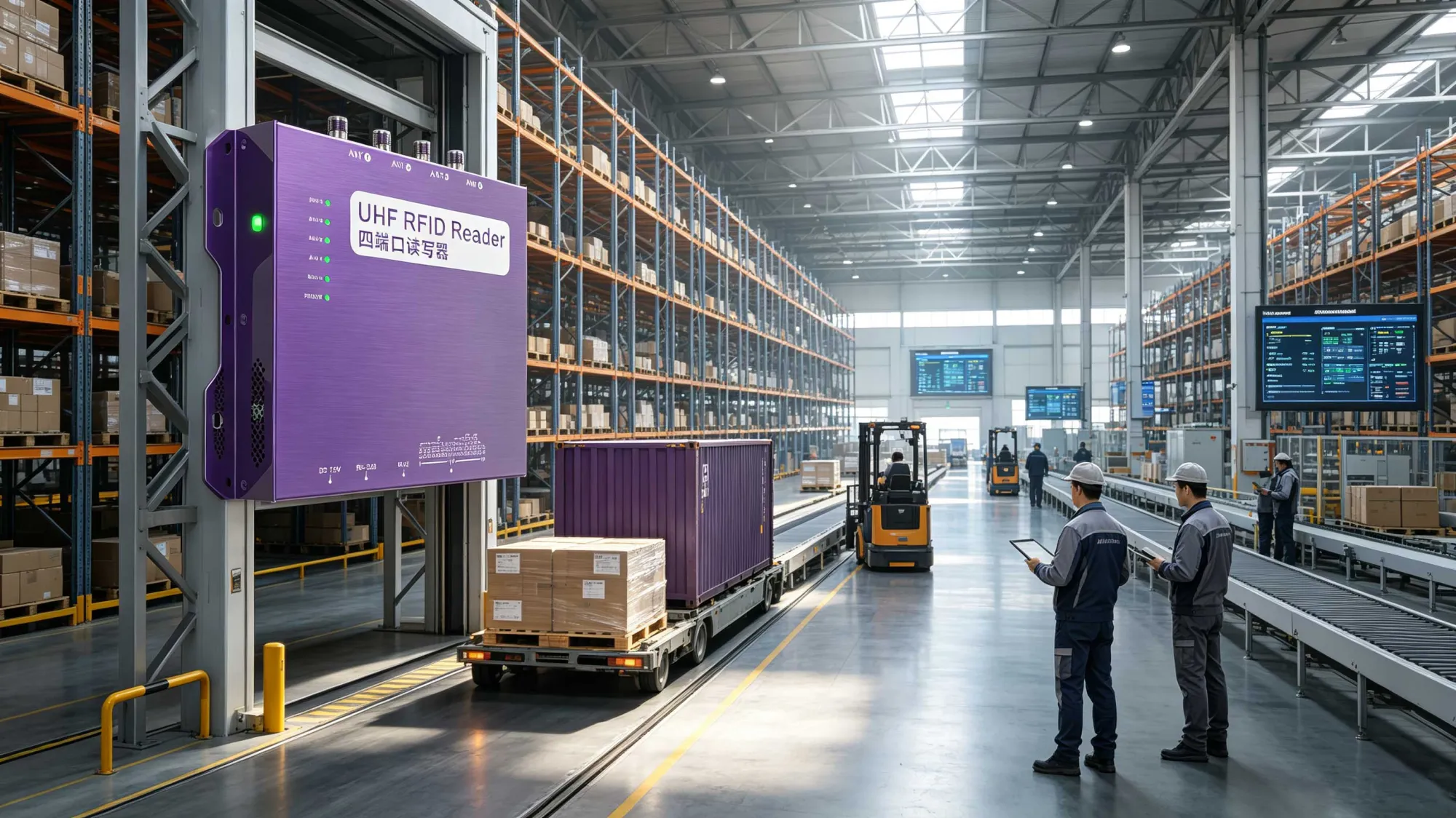
A rfid fixed reader warehouse management system changes how people move inventory—even when nobody formally redesigns the workflow.
In one warehouse deployment, operators gradually began using alternative pallet routes once they realized RFID tracking no longer required manual scans.
That small behavioral change altered how pallets entered reader zones.
Read consistency dipped slightly near one dock door because forklifts approached at sharper angles than originally planned.
The fix was simple:
- Adjust side antenna coverage
- Refine read timing
- Slightly reposition the reader array
The important lesson wasn’t technical. It was operational.
People adapt faster than infrastructure.
Long Range RFID Fixed Reader: Distance Creates New Problems
A long range rfid fixed reader sounds attractive during purchasing discussions. And technically, modern UHF RFID hardware is capable of impressive distance performance.
But range without precision creates ambiguity.
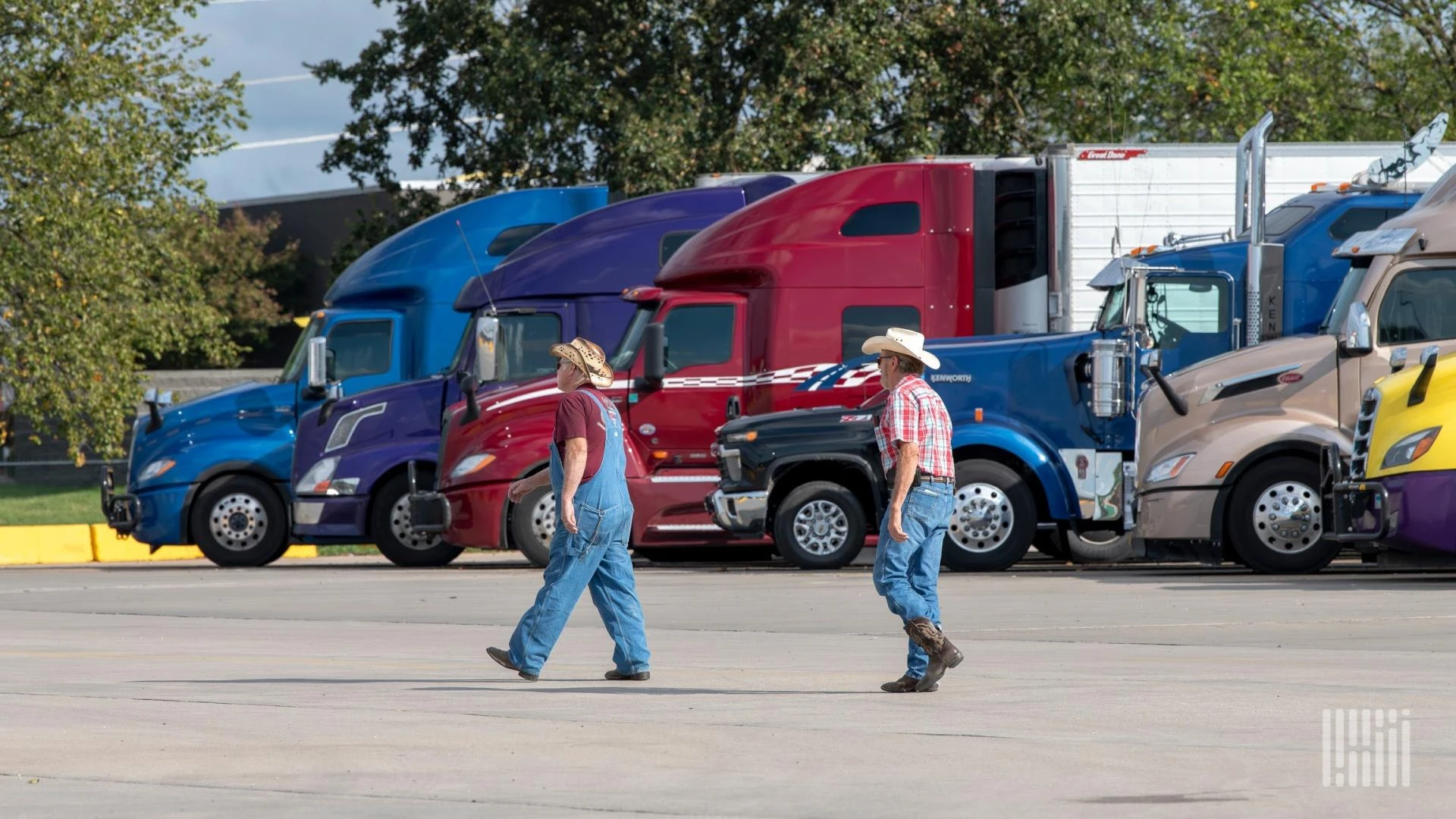
In a vehicle yard project, the rfid fixed reader captured tags from parked trailers outside the intended monitoring zone. The system interpreted stationary equipment as active movement.
Nothing malfunctioned.
The reader was simply reading farther than the workflow required.
We reduced range intentionally:
- Lower power output
- More directional antennas
- Adjusted mounting height
The system became less impressive on paper and far more reliable in practice.
Technical guidance from Impinj consistently highlights the importance of RF shaping and controlled read zones in high-density deployments.
The Details That Quietly Decide Performance
Some of the most impactful adjustments look insignificant:
- Rotating an antenna a few degrees
- Replacing low-quality RF cable
- Lowering reader height slightly
- Changing antenna polarization type
In one warehouse, a persistent blind spot disappeared after moving the rfid fixed reader less than half a meter away from a support beam.
No hardware replacement. Just alignment.
These are the kinds of adjustments that rarely appear in marketing materials but constantly appear during real deployments.
RFID Systems Continue Changing After Installation
One misconception about RFID is that deployment marks the end of optimization.
Usually, it marks the beginning.
Months after installation, environments evolve:
- Inventory density increases
- New shelving alters RF reflections
- Conveyor layouts change
- Vehicle traffic patterns shift
In one distribution center, read performance slowly declined after additional safety barriers were installed near loading zones.
The rfid fixed reader hardware remained exactly the same.
The environment didn’t.
We recalibrated the antennas and adjusted read sensitivity. Performance stabilized again.
RF systems are dynamic because operations are dynamic.
Middleware Determines Whether the Data Makes Sense
A rfid fixed reader captures raw tag activity. Middleware determines whether the information becomes useful operational data.
In one deployment, inventory counts became inflated even though read accuracy looked excellent. Pallets lingering near dock doors generated repeated tag events that the software failed to filter properly.
The hardware was functioning correctly.
The interpretation layer wasn’t.
We refined duplicate filtering logic and adjusted timing thresholds. Inventory accuracy improved immediately.
Good RFID deployments depend on software discipline as much as RF performance.
What Experience Changes
After years working with RFID deployments across logistics, warehousing, and industrial operations, several patterns become difficult to ignore:
- More RF power often creates more noise
- Environment influences performance more than specifications
- Narrow, controlled read zones outperform broad coverage
- Human workflow changes faster than infrastructure plans
These lessons rarely appear during initial demonstrations. They emerge gradually during live operation.
Author Background
Over the past 10+ years, I’ve worked on RFID system deployments across warehouse operations, manufacturing environments, logistics centers, and industrial asset tracking projects—specifically optimizing rfid fixed reader systems under real operational conditions. My deployment approach aligns with GS1 RFID implementation standards and validation methods referenced by Auburn University RFID Lab.
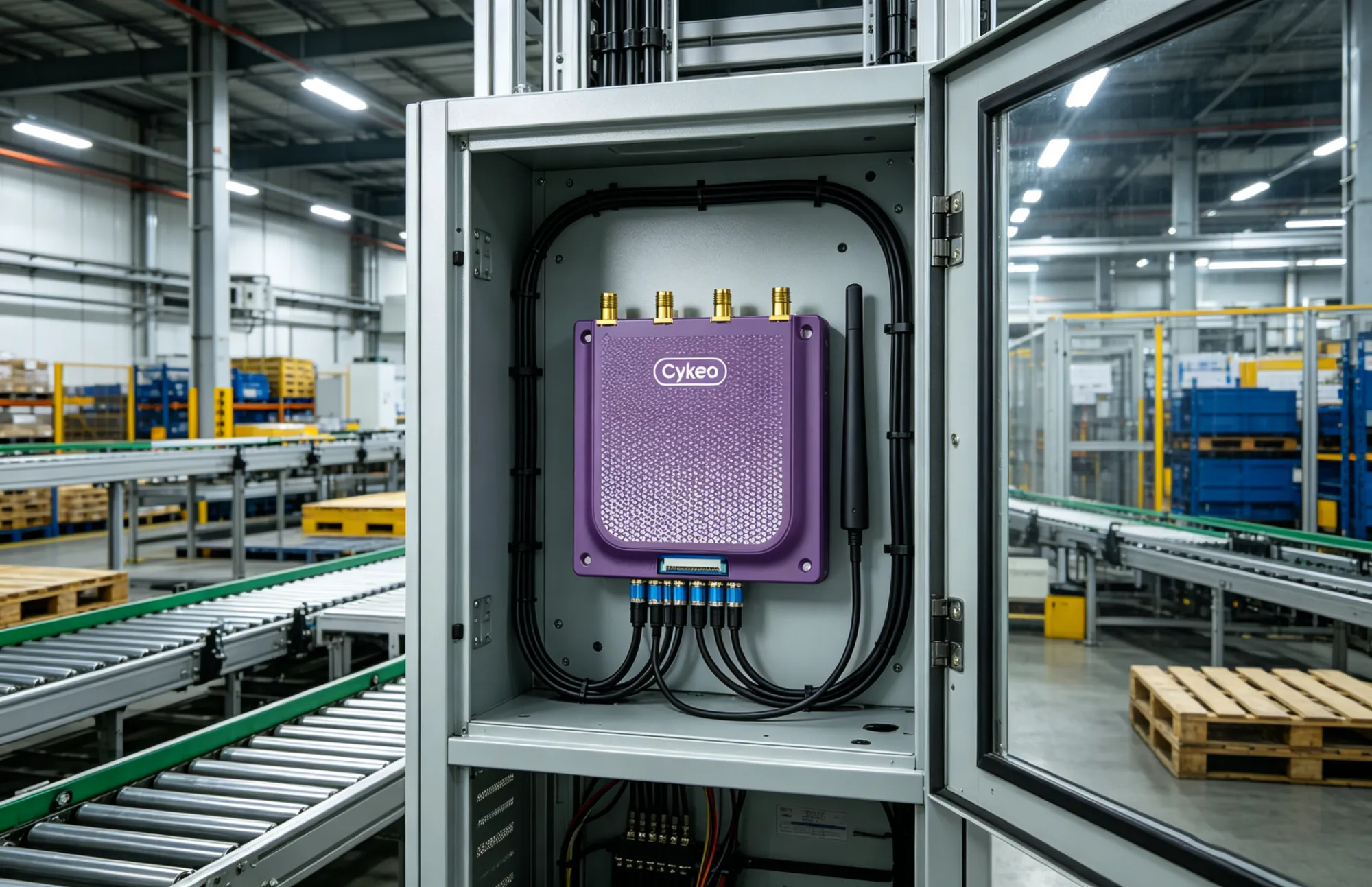
At Cykeo, the focus is not simply on delivering RFID hardware, but on ensuring long-term system stability after deployment conditions begin changing.
The Quiet Sign That It’s Working
When a rfid fixed reader system is configured correctly, operators stop thinking about scanning.
Inventory movement becomes automatic. Visibility improves without adding extra steps.
No repeated confirmations. No constant manual intervention.
Just continuous awareness operating quietly in the background.
Closing Thought
A rfid fixed reader doesn’t prove its value during installation day demonstrations. Its real value appears months later—when workflows evolve, environments shift, and the system continues producing reliable data anyway.
That’s the difference between a reader that functions and a system that survives real operations.























Sign in to leave a comment.