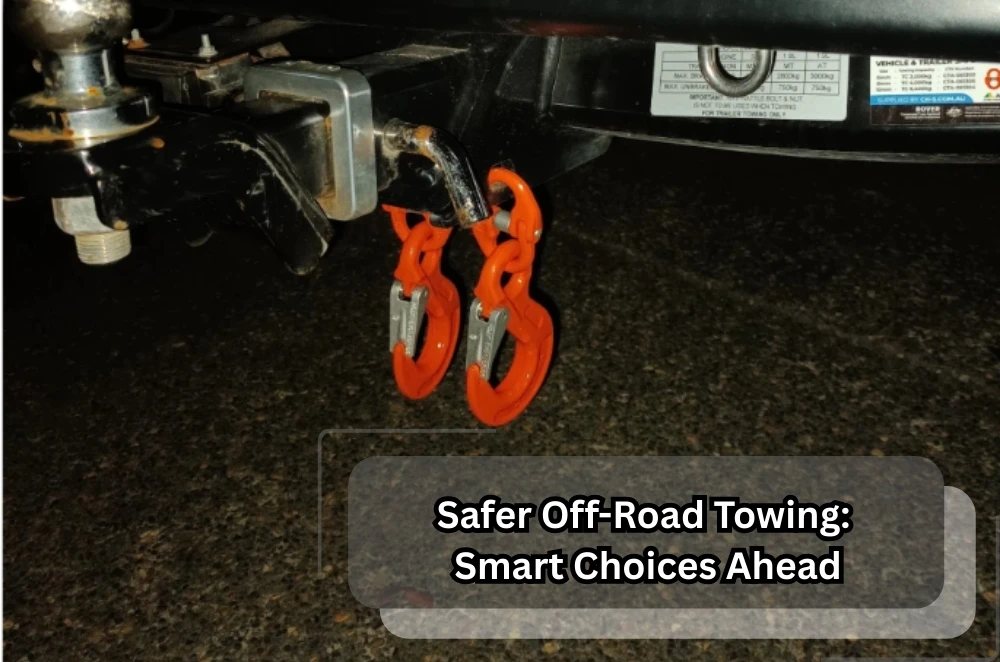

Rough tracks don’t forgive flimsy kit. Corrugations, washouts, and surprise bogs all expose weak links fast. That’s why we keep steering customers toward high-quality towing gear. Not the flashy stuff; the rated, well-made gear that holds up. If you’re hauling a camper or dragging a mate out of a rutted climb, reliability isn’t “nice to have.” It’s the difference between a tidy recovery and a long, expensive walk.
What makes towing gear ‘right’
Ratings first. If a shackle, strap, hitch receiver or tow point isn’t rated and suited to your vehicle’s limits, it’s a gamble. Materials matter too. UV, mud, and salt can quickly chew through cheap webbing and hardware. We look for transparent labelling, chunky stitching, protective sleeves, and hardware that doesn’t feel like pot metal dressed up as steel.
• Choose gear with visible load ratings
• Match recovery kit to vehicle GVM and tow limits
• Prefer protective sleeves and quality stitching
• Pack redundancy for remote trips
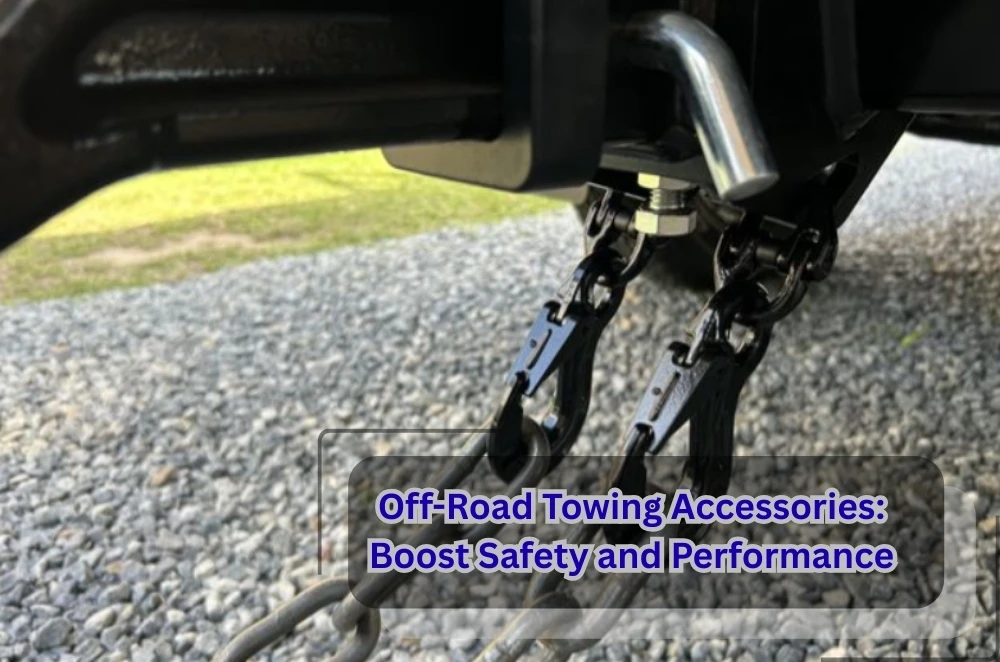
We also think about what fails under load. A snatch strap without a damper? Risky. A soft shackle clipped to a factory tie-down instead of a proper recovery point? That’s how lines snap and tempers flare. Build a system: rated tow points, a compatible hitch block, soft or bow shackles you trust, and a recovery strap that matches the job. Simple, tidy, safe.
Good kits reduce both damage and danger. Spreading load across rated points protects your chassis. Using the right hitch insert avoids those sketchy “tow ball recoveries” that can end in disaster. And decent gloves… we’ve seen too many hands chewed up by wire rope and sharp edges.
Choosing with the track in mind
Blanket checklists are handy, but trips differ. Sand needs momentum and gentle recoveries. Clay wants patience and broad traction boards. High-country tracks ask for slow control and short, controlled pulls. We weigh up weight distribution, tyre pressures, approach angles, and whether the rig will be reversing on steep pinches. Then we pack accordingly — and we don’t skimp on spares. A second shackle and a backup strap weigh very little compared to a stuck trailer at dusk.
If you’re sifting through options and want a quick primer, must-have off-road accessories help frame the basics without the chest-beating. Use it as a sense check against what’s in your drawers and tubs now. Then fill the gaps with the right-rated pieces, not random “that’ll do” bits from a bargain bin.
Before you roll out, do a five-minute audit. Are shackles free of burrs? Are the straps dry, clean, and not frayed? Hitch pin clipped and tight? Recovery boards solid, not warped? Little things. They prevent big things. And when the inevitable happens, a boggy creek exit, a sandy pinch that robs momentum, you’ll have a calm, methodical plan rather than a scramble.
We love the freedom of the bush, but we respect it more. Build a kit around reliability and clear ratings, keep it organised, and practice with it before you need it. That way, every recovery is uneventful, the best kind, and the only stories you bring home are about the view, not the tow.






























Sign in to leave a comment.