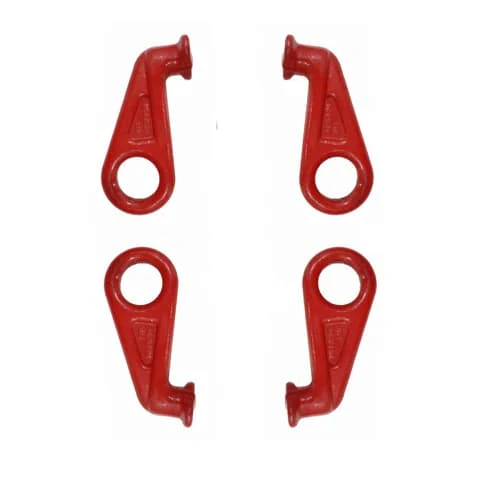

Shipping containers are widely used across construction, logistics, offshore operations, and industrial storage. Their safe handling depends heavily on the correct use of lifting accessories designed for heavy loads. Among these accessories, container lifting lugs play a critical role in ensuring stability, balance, and overall safety during lifting operations. When used correctly, they help reduce risks to personnel, equipment, and cargo. When used incorrectly, they can lead to serious accidents and costly damage. This article provides a comprehensive overview of safety guidelines for using container lifting lugs, covering inspection, planning, operation, and ongoing maintenance.
Understanding Container Lifting Lugs
Container lifting lugs are engineered attachment points designed to connect lifting equipment such as chains, slings, or spreader beams to a container. They are usually fitted to corner castings or designated lifting points and are manufactured to withstand significant loads.
Purpose and Function
The primary purpose of lifting lugs is to transfer the weight of the container evenly to the lifting device. This ensures that the container remains stable during vertical and horizontal movement. Proper load distribution minimizes stress on structural components and reduces the likelihood of sudden shifts or failure.
Types of Lifting Lugs
Different lifting lugs are designed for specific applications. Some are intended for top lifting, while others are suitable for side lifting or angled lifts. Selecting the correct type is essential, as using an unsuitable lug can compromise the entire lifting operation.
Regulatory Framework and Standards
Safe lifting operations are governed by national and international regulations. Compliance with these standards is not optional and forms the foundation of responsible lifting practices.
Legal Responsibilities
Operators, supervisors, and employers all have a duty of care to ensure lifting activities are planned and executed safely. This includes providing suitable equipment, ensuring proper inspection, and maintaining accurate records.
Industry Standards
Lifting lugs should comply with recognized standards related to material strength, design, and testing. Certification and traceability are key indicators that the equipment has been manufactured and tested according to accepted safety requirements.
Risk Assessment Before Lifting
A thorough risk assessment should always be carried out before any lifting operation involving containers.
Identifying Hazards
Potential hazards include overloading, uneven weight distribution, poor ground conditions, and proximity to personnel or structures. Environmental factors such as wind and visibility should also be considered.
Evaluating Load Characteristics
The container weight, contents, and center of gravity must be clearly understood. Assumptions about empty containers can be dangerous, as residual materials or modifications may significantly affect weight.
Pre Use Inspection of Lifting Lugs
Inspection is one of the most effective ways to prevent lifting accidents.
Visual Checks
Before use, lifting lugs should be visually inspected for cracks, deformation, corrosion, or excessive wear. Any sign of damage should result in immediate removal from service.
Verification of Markings
Load rating markings must be clearly legible. These markings confirm the maximum working load and help operators ensure the lug is suitable for the task.
Compatibility With Other Equipment
Lifting lugs must be compatible with slings, hooks, and connectors. Mismatched components can lead to uneven loading or accidental disengagement.
Planning the Lift
Proper planning is essential for safe container handling.
Selection of Lifting Equipment
The lifting device, whether a crane or forklift, must have sufficient capacity for the container and all attached equipment. This includes accounting for dynamic forces during lifting.
Determining Lift Method
Deciding whether the container will be lifted vertically, horizontally, or at an angle affects lug selection and sling configuration. Each method introduces different stress patterns that must be managed.
Establishing Clear Communication
Clear signals and communication protocols should be established before lifting begins. All personnel involved should understand their roles and responsibilities.
Correct Rigging Practices
Rigging plays a vital role in the performance of lifting lugs.
Proper Attachment
Lifting lugs must be securely attached to designated points on the container. Improvised attachment methods should never be used, as they can compromise structural integrity.
Sling Angles and Tension
The angle of slings affects the load applied to each lifting lug. Shallow angles increase tension and can exceed safe working limits even if the container weight appears acceptable.
Use of Spreader Beams
In some cases, spreader beams help maintain correct sling angles and reduce stress on lifting lugs. Their use should be considered for larger or heavier containers.
Operational Safety During Lifting
Once the lift is underway, continuous attention to safety is required.
Controlled Lifting Movements
Sudden movements, jerks, or rapid acceleration increase dynamic loads on lifting lugs. Smooth and controlled lifting reduces stress and improves stability.
Monitoring Load Stability
Operators should watch for signs of imbalance or unexpected movement. If instability is observed, the lift should be paused and reassessed.
Exclusion Zones
Establishing a clear exclusion zone around the lifting area protects personnel from falling loads or swinging containers. Only essential personnel should be allowed within this zone.
Environmental Considerations
External conditions can significantly influence lifting safety.
Wind and Weather
Strong winds can cause containers to sway, increasing stress on lifting lugs and rigging. Lifting operations should be postponed if weather conditions exceed safe limits.
Ground Conditions
Stable ground is essential for crane or lifting equipment positioning. Soft or uneven surfaces can lead to equipment instability and increased risk.
Training and Competence
Human factors are often at the center of lifting incidents.
Operator Training
Operators must be trained in the correct use of lifting lugs and associated equipment. Training should include both theoretical knowledge and practical application.
Ongoing Competence Assessment
Skills and knowledge should be regularly reviewed to ensure continued competence. Changes in equipment or regulations should trigger refresher training.
Maintenance and Storage of Lifting Lugs
Proper care extends the service life of lifting lugs and maintains safety.
Scheduled Inspections
In addition to pre use checks, lifting lugs should undergo periodic thorough inspections by a competent person. Inspection intervals should be based on usage and operating conditions.
Cleaning and Protection
Removing dirt, salt, and corrosive substances helps prevent material degradation. Protective coatings should be maintained where applicable.
Correct Storage Practices
When not in use, lifting lugs should be stored in a dry, secure environment. Poor storage can lead to damage that is not immediately visible.
Emergency Procedures and Incident Response
Even with careful planning, emergencies can occur.
Immediate Actions
If a lifting lug shows signs of failure or a load becomes unstable, operations should stop immediately. The area should be secured and personnel moved to a safe distance.
Reporting and Investigation
All incidents and near misses should be reported and investigated. Understanding the root cause helps prevent similar events in the future.
Common Mistakes to Avoid
Learning from common errors can improve overall safety performance.
Overloading Equipment
Exceeding rated capacities is a frequent cause of failure. Always account for the total load, including lifting accessories.
Using Damaged Lugs
Continuing to use damaged or worn lifting lugs increases the risk of sudden failure. There should be no tolerance for compromised equipment.
Ignoring Manufacturer Guidance
Instructions and limitations provided by manufacturers are based on engineering analysis and testing. Ignoring this guidance undermines safety.
Conclusion
Safe container lifting depends on careful planning, correct equipment selection, and disciplined operational practices. Lifting lugs are critical components that must be inspected, used, and maintained with care to ensure reliable performance. By following established safety guidelines, organizations can reduce risk, protect personnel, and maintain efficient operations. For reliable lifting solutions and expert guidance, UK Lifting Store remains a trusted name in the industry.




















Sign in to leave a comment.