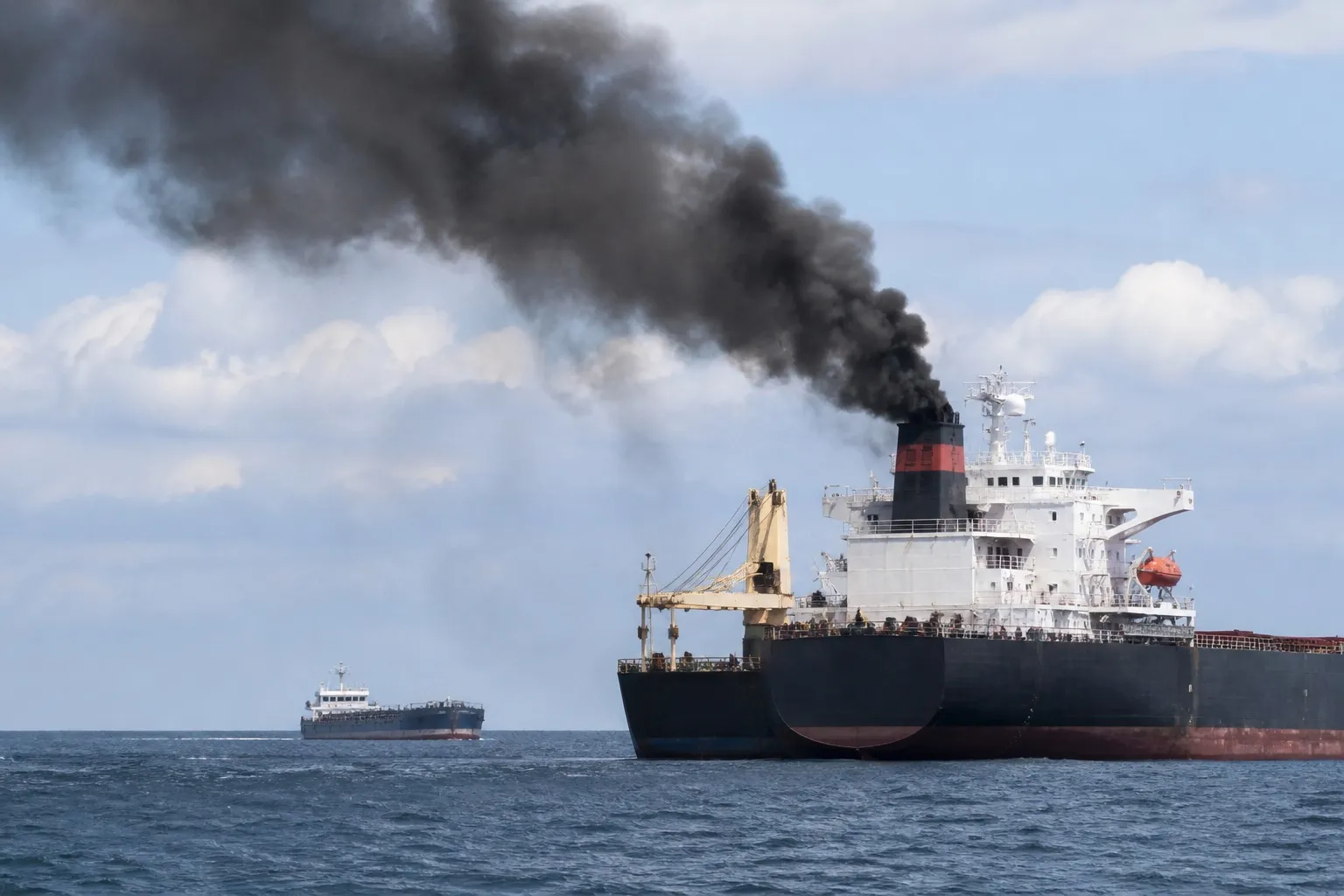

When a ship is operating at sea, the engine is constantly burning fuel to produce power, and this process must happen efficiently to ensure smooth performance, because if fuel is not burning properly, it can affect engine efficiency, increase costs, and lead to serious operational problems over time.
Let’s understand this in a simple and practical way.
What Is Fuel Combustion in Marine Engines?
Fuel combustion is the process where fuel is mixed with air and burned inside the engine cylinder to produce energy, which then drives the engine and powers the ship, but for this process to work efficiently, the mixture, timing, and conditions must be correct.
If everything is working properly, the fuel burns completely and produces maximum power, but if something is wrong, the combustion becomes incomplete, which means fuel is wasted and engine performance is affected.
Why Proper Combustion Is Important
Proper fuel combustion is important because it directly affects how well the engine performs, how much fuel it consumes, and how long its components last, which makes it a key factor in overall ship efficiency.
Good combustion helps in:
- Producing maximum power from fuel
- Reducing fuel consumption
- Lowering emissions
- Preventing carbon buildup inside the engine
When combustion is poor, all these benefits are lost, and problems start to appear gradually.
Common Signs of Poor Fuel Combustion
Poor fuel combustion does not happen suddenly in most cases, because the engine usually shows warning signs before the problem becomes serious, and recognizing these signs early can help prevent major damage.
1. Excessive Smoke from Exhaust
One of the most common and visible signs of poor combustion is abnormal smoke from the exhaust, because different types of smoke indicate different problems in the combustion process.
You may notice:
- Black smoke, which indicates incomplete combustion and excess fuel
- White smoke, which may indicate unburnt fuel or low combustion temperature
- Blue smoke, which may suggest oil burning along with fuel
If the exhaust smoke is not normal, it is a clear indication that combustion is not happening properly.
2. Increased Fuel Consumption
When combustion is inefficient, the engine requires more fuel to produce the same amount of power, which means fuel consumption increases without any improvement in performance.
This can lead to:
- Higher operating costs
- Reduced fuel efficiency
- Increased load on the engine
If fuel usage suddenly increases, it is often a sign that combustion needs attention.
3. Loss of Engine Power
Poor combustion directly affects power generation, because if fuel is not burning completely, the engine cannot produce its full output, which results in reduced performance.
This may be noticed as:
- Slower vessel speed
- Difficulty in maintaining load
- Reduced engine response
Loss of power is not always sudden, but it becomes noticeable over time.
4. Carbon Deposits and Soot Formation
Incomplete combustion leads to the formation of carbon deposits inside the engine, especially on components like injectors, piston crowns, and exhaust valves, which can further reduce efficiency.
These deposits can cause:
- Blockage in fuel injectors
- Reduced airflow
- Increased wear of components
Over time, this buildup can lead to more serious engine problems if not cleaned or controlled.
5. High Exhaust Gas Temperature
When combustion is not balanced properly, it can result in higher-than-normal exhaust gas temperatures, because excess fuel or improper burning creates additional heat.
This can lead to:
- Overheating of engine components
- Damage to exhaust systems
- Reduced engine life
Monitoring exhaust temperature is an important way to identify combustion issues early.
6. Engine Knocking or Irregular Sound
Poor combustion can also affect the smooth operation of the engine, causing unusual sounds such as knocking or irregular firing, which indicates that fuel is not burning evenly inside the cylinders.
This may result in:
- Increased vibration
- Stress on engine components
- Reduced operational stability
Any unusual sound should always be checked immediately.
7. Frequent Maintenance Issues
If an engine requires frequent cleaning, injector servicing, or component replacement, it may be a sign that combustion is not happening properly, because poor combustion increases wear and deposits.
This leads to:
- Higher maintenance costs
- More downtime
- Reduced engine reliability
Regular issues are often a warning sign that something deeper needs attention.
Causes of Poor Fuel Combustion
Understanding the causes of poor combustion helps in fixing the problem effectively, because multiple factors can affect how fuel burns inside the engine.
Common causes include:
- Poor fuel quality or contamination
- Faulty or clogged fuel injectors
- Incorrect air-fuel ratio
- Improper fuel injection timing
- Low compression in cylinders
- Dirty or worn engine components
Each of these factors can reduce combustion efficiency and must be checked carefully.
How to Improve Fuel Combustion
Improving combustion is important for maintaining engine efficiency and reducing costs, and it can be achieved through proper practices and regular monitoring.
Key steps include:
- Using high-quality and clean fuel
- Regularly cleaning and maintaining injectors
- Ensuring proper air supply for combustion
- Checking and adjusting injection timing
- Monitoring engine performance parameters
This is where working with a reliable supplier like Labdhi Marine becomes important, because having access to genuine fuel system components and engine spare parts ensures that combustion remains efficient and consistent over time.
Role of Engineers in Monitoring Combustion
Even with the best systems in place, the role of marine engineers is very important, because they are responsible for observing engine performance, identifying early signs of poor combustion, and taking corrective action at the right time.
Their responsibilities include:
- Monitoring exhaust conditions and temperatures
- Checking fuel consumption patterns
- Inspecting engine components regularly
- Taking preventive maintenance actions
Their experience helps in maintaining proper combustion and avoiding major issues.
Final Thought
Fuel combustion is at the heart of marine engine performance, because it directly affects power, efficiency, and reliability, which means even small issues in combustion can lead to bigger operational problems if not addressed in time.
By understanding the signs of poor fuel combustion and taking corrective action early, ship operators can improve performance, reduce costs, and extend engine life.
At the end of the day, it comes down to one simple idea—if fuel is burning properly, the engine will perform at its best, and when the engine performs well, the entire ship operates smoothly and efficiently at sea.














![The Benefits of Using a CNC Touch Probe [Infographic]](https://writeupcafe.com/data/post/1677697/bfdf3e040e67936848aa232d2dfe3d03.jpg.webp)







Sign in to leave a comment.