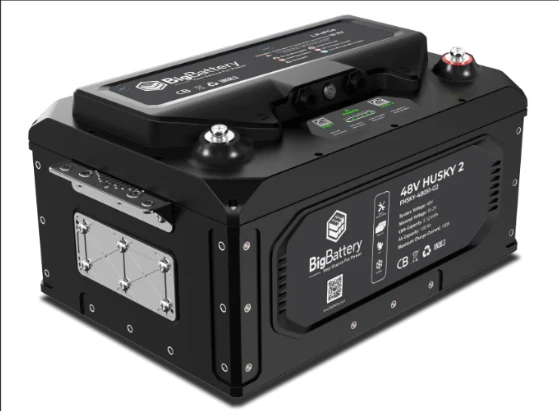

Reliable power is essential for every road trip, and your RV’s electrical system depends heavily on having a healthy battery for RV camper setups. Whether you're powering lights, running small appliances, or supporting your water pump, your battery ensures that life on the road remains comfortable and functional. However, like all energy-storage systems, RV batteries wear down with time. Understanding the warning signs early can prevent sudden failures, costly breakdowns, and frustrating interruptions during travel. By knowing what to look for and how to evaluate your battery’s performance, you can maintain a smooth, safe, and productive journey.
Why Monitoring Your RV Battery Matters
Your RV’s battery is the core of your off-grid power system. It supports daily living activities, helps stabilize voltage levels, and protects sensitive electronics from fluctuations. As batteries age, they lose the ability to hold a charge or deliver consistent power, which can strain your entire electrical setup. Recognizing problems early allows for timely replacement and prevents more extensive damage.
Slow or Inconsistent Power Output
One of the most common indicators that your RV camper battery is deteriorating is unstable power delivery. If you notice lights dimming unexpectedly, fans slowing down, or appliances struggling to start, these are signs of voltage irregularities. A healthy battery should maintain steady performance across multiple devices, even during periods of high usage. When inconsistencies become frequent, it typically means the battery can no longer hold sufficient charge.
Longer Charging Times
Another red flag is noticeably slow recharging. Batteries naturally take longer to charge as they age, but a dramatic increase in charging time suggests internal decline. If your battery remains weak even after extended connection to a power source—whether solar, generator, or shore power—it may be nearing the end of its lifespan. Consistently slow charging is often a sign of sulfation buildup or diminished capacity.
Reduced Capacity and Shorter Running Duration
If your RV appliances run for shorter periods than usual, your battery for the RV camper may be losing its depth of discharge capability. For example, if your lights, refrigerator, or water pump drain the battery significantly faster than they once did, this suggests diminished energy storage. Capacity loss is a natural part of battery aging, especially in lead-acid models, but noticeable performance drops indicate that replacement is approaching.
Visible Corrosion or Warping
Physical inspection can reveal structural issues that signal internal damage. Look for corrosion around terminals, leaking fluid, bulging sides, or warped casing. These issues often occur due to overheating, overcharging, or internal chemical breakdown. A battery displaying physical wear poses safety risks and should be replaced immediately to avoid electrical failure or potential hazards.
Unusual Smells or Overheating
A faulty battery may emit a sulfur-like or “rotten egg” odor, which typically indicates overheating or a chemical imbalance. Excessive warmth during charging cycles is also concerning. These symptoms often appear when a battery struggles to regulate internal temperature due to aging cells. Continuing to use an overheating battery increases the risk of swelling or leaking, making timely replacement essential.
Frequent Need for Jump-Starts
If your RV requires jump-starting more often than usual, the battery is likely no longer maintaining adequate charge between trips. While occasional jump-starts may occur after long periods of inactivity, repeated occurrences—even after proper recharging—signal a weak or failing battery. Repeated boosts can also strain your alternator and onboard electronics.
Conclusion
Identifying early signs of battery degradation helps prevent unexpected power loss while protecting your RV’s electrical components. By watching for slow charging, capacity drops, physical damage, and inconsistent voltage, you can replace your battery at the right time and maintain safe, reliable operation on the road. Whether you rely on solar panels, generators, or a dedicated RV camper inverter, a dependable battery ensures your power system runs efficiently. Staying proactive with maintenance and timely replacement allows you to enjoy your travel adventures without interruption or risk.
































Sign in to leave a comment.