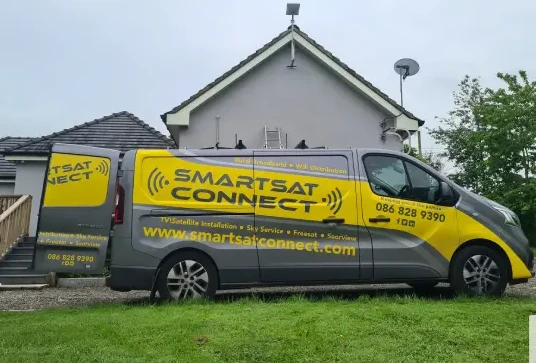

The Illusion of Simplicity Wi-Fi marketing often sells a dream of "Plug and Play." The box promises that you simply plug it in, and suddenly your entire house is bathed in high-speed internet. The reality, as many frustrated users discover, is rarely that simple. Wireless networking is complex, affected by physics, interference, and architectural quirks. While DIY solutions can work for small apartments, they often fall short in larger homes or businesses.
The Site Survey: Diagnosing the Invisible The first advantage of a professional service like Smart Sat Connect is the diagnostic phase. A DIY user guesses where the problem is. A professional measures it. Using spectrum analyzers and heat-mapping software, an expert can see exactly what is happening to the radio waves in your home.
- Is the neighbor's Wi-Fi crowding your channel?
- Is the underfloor heating blocking the signal to the room above?
- Is the microwave leaking interference? This scientific approach ensures that the solution prescribed actually fixes the root cause, rather than just treating the symptom.
Access to High-Quality Equipment Consumer-grade networking gear found in high-street shops is built to a price point. It often prioritizes aesthetics and ease of setup over raw performance and reliability. Professional installers have access to enterprise or prosumer-grade equipment (brands like Ubiquiti, Ruckus, or high-end Mesh systems) that are not typically sold in standard retail stores. These devices feature stronger antennas, better processors capable of handling more devices, and more robust software that doesn't crash effectively. When Smart Sat Connect mentions "No flimsy gear," they refer to hardware designed to run for months or years without needing a reboot.
The "Full Setup" Experience True Wi-Fi distribution often involves physical labor that goes beyond the skills of the average homeowner.
- Cabling: Running Ethernet cables through attics, down cavity walls, or underground to outbuildings requires tools and expertise.
- Termination: Crimping cable ends and installing faceplates needs to be done perfectly; a bad connection can reduce gigabit speeds to a crawl.
- Mounting: Access points often need to be mounted on ceilings for optimal coverage. A professional service handles all the drilling, cabling, and mounting neatly, leaving a system that is integrated into the fabric of the building rather than trailing wires across the floor.
Post-Installation Tuning and Support Installing the hardware is only half the job. The network needs to be configured. This involves selecting the right channels to minimize interference, setting up security protocols, and configuring features like "Band Steering" (pushing devices to the faster 5GHz frequency). Furthermore, if something goes wrong, you have a phone number to call. Instead of waiting on hold with a generic ISP call center that tells you to "turn it off and on again," a local specialist service provides accountability and support.
Cost-Effectiveness in the Long Run While a professional installation has a higher upfront cost than buying a booster online, it is often more cost-effective long term. It prevents the cycle of buying cheap devices, finding they don't work, and buying slightly more expensive ones, only to end up with a drawer full of useless plastic. A system designed right the first time provides value every day through frustration-free connectivity.
Conclusion Wi-Fi is the utility we use most, yet understand least. By entrusting Wi-Fi distribution to experts, homeowners and businesses in Ireland can bypass the trial-and-error phase. Professional installation offers the peace of mind that comes from a tailored design, quality infrastructure, and a guarantee that when you click "connect," it just works.























Sign in to leave a comment.