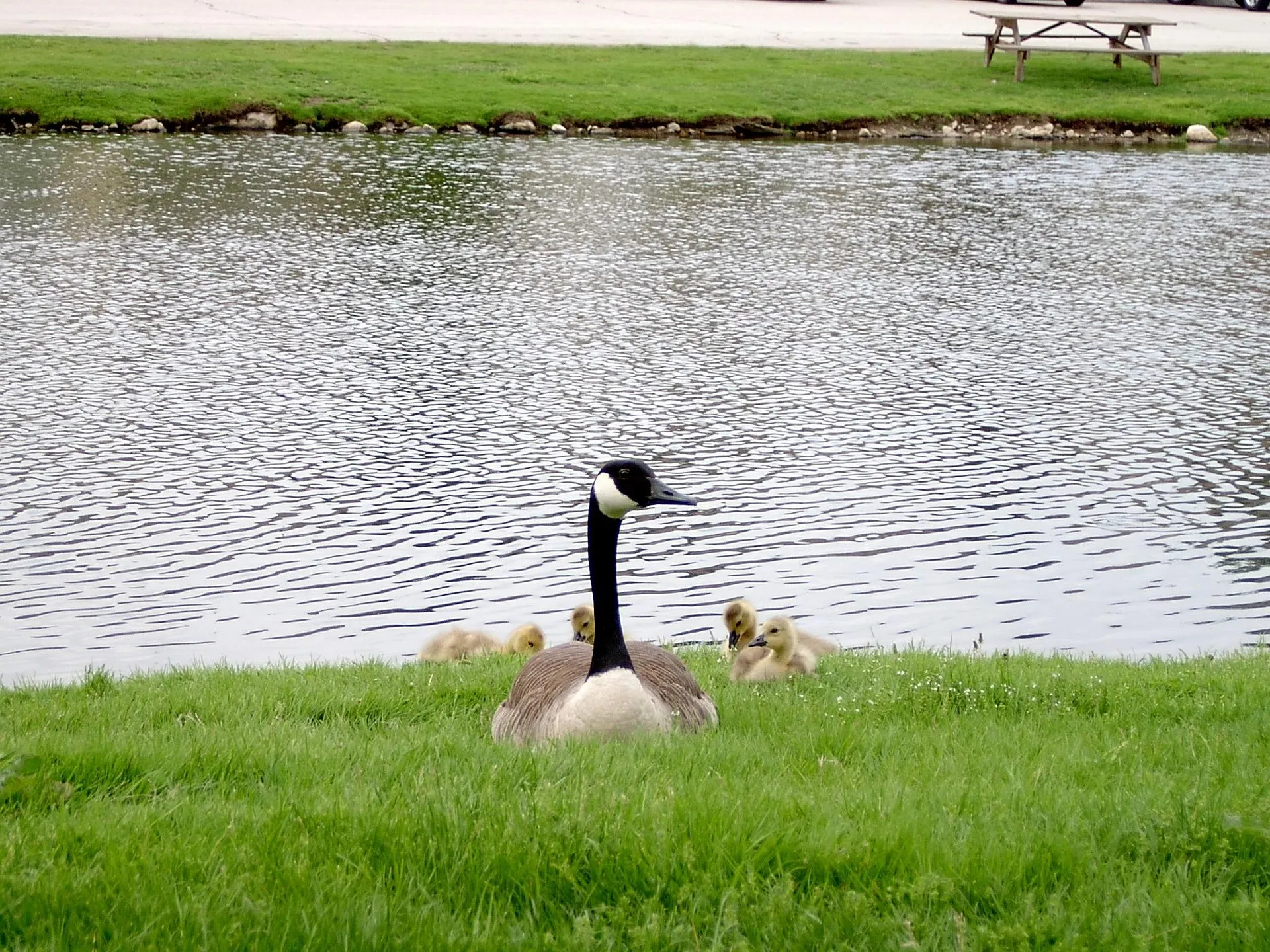

As winter fades and green spaces return, property managers face a predictable issue across corporate campuses and golf courses. Spring is the most active time for wildlife activity, and ignoring it early often leads to bigger problems later. Managing this period correctly keeps your property clean, safe, and presentable.
To stay ahead, you need to understand what drives geese behavior and why early action matters.
The Timing Behind Goose Behavior
From late February through April, geese begin pairing and scouting nesting locations. They are territorial birds with a strong tendency to return to the same spot every year.
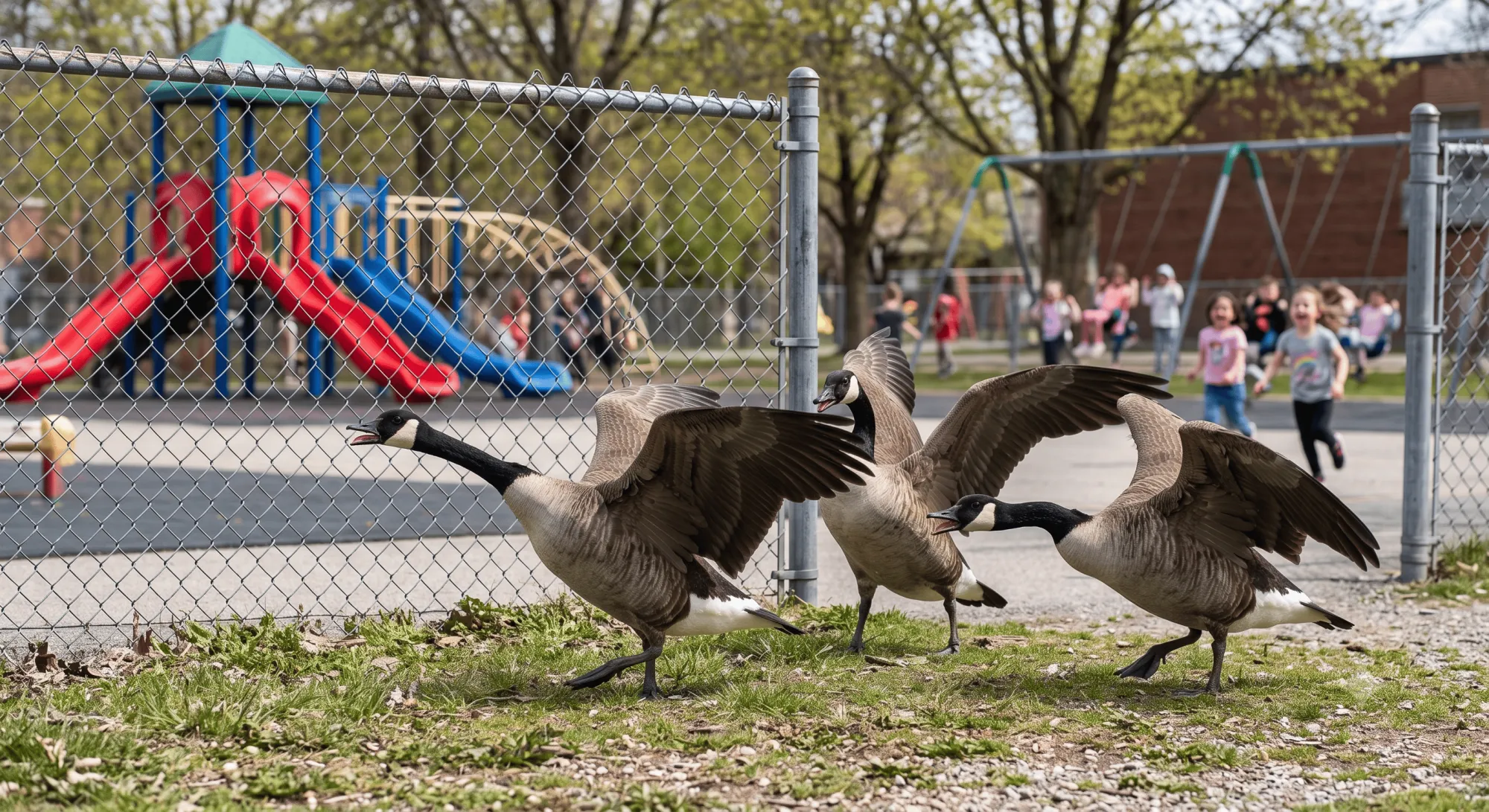
Once they settle in, problems escalate quickly. A protective male goose is not just annoying, it can be aggressive toward people, staff, and even vehicles. That turns a simple nuisance into a safety concern.
Why Waiting Makes It Worse
A common mistake is delaying action until goslings appear. At that point, your options shrink fast. Once eggs are present, federal protections apply, and removal becomes restricted.
This is where humane geese removal becomes critical. Addressing the issue during the early scouting phase prevents geese from settling in the first place, saving time, cost, and legal complications later.
What Actually Works
Modern property management demands solutions that are effective without creating backlash. The most reliable approach focuses on prevention rather than reaction.
Using trained working dogs, especially Border Collies, is one of the most effective methods. The approach works because it taps into natural instincts:
- It triggers a predator response without harm
- It avoids physical contact or injury
- It creates long-term avoidance behavior
With consistent pressure, geese stop viewing the property as a safe place to settle.
Legal Limits You Cannot Ignore
Once a nest has eggs, it falls under federal protection laws. You cannot remove or disturb it without proper authorization.
Professional services handle permits and ensure compliance if intervention like egg management is required. Trying to handle it alone can lead to fines and legal trouble.
The Real Cost of Ignoring the Problem
Geese don’t just create inconvenience, they cause measurable damage:
- Landscaping gets stripped and damaged quickly
- Droppings accumulate fast and create slipping hazards
- Waste runoff affects water systems and leads to algae issues
Left unmanaged, these issues impact both safety and appearance.
Building a Seasonal Plan
A solid strategy is not reactive. It is planned before problems begin:
- Identify high-risk areas like ponds and open lawns
- Schedule routine deterrence before nesting starts
- Adjust landscaping to make the area less attractive
In the later stages, when geese start returning repeatedly, professional canadian geese removal services help reinforce long-term control and prevent re-nesting patterns.
Do You Need Professional Help or Can You Handle It In-House?
In most cases, in-house efforts are not enough for long-term control. Geese quickly adapt to inconsistent deterrents, and legal restrictions limit what untrained teams can do. Professional services bring consistency, proper timing, and compliance, which are critical for effective results.
Why Timing Matters Most
The Canada Goose nesting season is the point where control either stays in your hands or slips away. Once nesting begins, your options narrow, costs rise, and risks increase.
Acting early keeps the situation manageable. Waiting turns it into a recurring problem that is harder and more expensive to fix.






















Sign in to leave a comment.