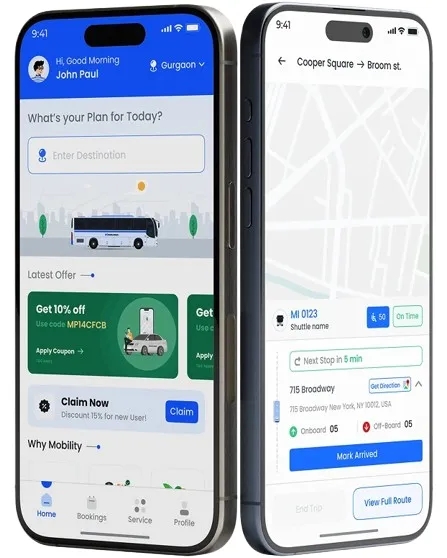

Taxi companies in the USA are under pressure to provide faster service, better booking options, and a more reliable passenger experience. Customers now expect the same convenience they get from modern ride-hailing apps, including real-time tracking, digital payments, instant booking confirmation, and accurate driver arrival times.
To meet these expectations, taxi businesses need a reliable digital platform. But before choosing a provider, fleet owners must understand how taxi dispatch software pricing works.
The pricing model you select can directly affect your profit margin, scalability, and long-term operating cost.
Why Taxi Dispatch Software Is Important
Taxi dispatch software helps businesses manage bookings, assign drivers, track vehicles, calculate fares, process payments, and monitor operations from one system. It reduces manual coordination and helps dispatchers manage more rides with better accuracy.
For taxi businesses, this means:
- Faster booking management
- Better driver allocation
- Reduced passenger wait time
- Improved trip tracking
- Digital payment support
- Professional customer experience
- Better reporting and control
But these benefits depend on selecting both the right software and the right pricing structure.
Subscription-Based Pricing
Subscription pricing is one of the most common models. Taxi operators pay a monthly or yearly fee to use the software. This model usually includes hosting, updates, and support.
It is a good option for businesses that want to launch quickly without a high upfront investment.
However, the cost may increase as the number of vehicles, drivers, or advanced features increases. Fleet owners should always check whether branding, SMS, payment gateway, analytics, and integrations are included or charged separately.
Commission-Based Pricing
Commission-based software charges a percentage of each completed ride. This model may be attractive for new taxi startups because the cost is linked to actual bookings.
For low-volume businesses, this can reduce initial financial pressure. But as ride volume grows, the commission cost can become much higher than a fixed subscription or license model.
This model is best for businesses that are testing the market or operating seasonally.
Perpetual License Pricing
A perpetual license allows the taxi business to pay a one-time software fee and use the platform long-term. There may still be annual support, maintenance, or hosting costs, but the recurring software fee is usually lower than monthly SaaS pricing.
This can be a strong option for medium and large taxi fleets that want better long-term cost control.
The main point to consider is technical responsibility. Operators should confirm who will manage hosting, updates, server security, and ongoing support.
Custom Taxi App Development
Custom development is suitable for taxi businesses that need special features or full control over the platform. It can include custom passenger apps, driver apps, dispatcher panels, advanced fare rules, loyalty programs, corporate booking modules, or local compliance workflows.
This option requires a higher investment, but it can give full flexibility.
Taxi businesses should always confirm source code ownership, post-launch support, maintenance cost, and project timeline before signing a custom development contract.
How to Choose the Best Pricing Model
There is no single best pricing model for every taxi business. A small five-vehicle operator may prefer subscription or commission-based pricing. A 20-vehicle or 50-vehicle fleet may find a license model more cost-effective over time.
Before making a decision, fleet owners should compare:
- Upfront cost
- Monthly or yearly cost
- Cost per vehicle
- Cost per ride
- Setup fees
- Support charges
- Hosting charges
- Payment processing fees
- Integration charges
- Long-term ownership value
The goal should be to choose software that supports growth without creating unnecessary recurring cost pressure.
Mobility Infotech for Taxi Businesses
Mobility Infotech helps taxi companies and mobility startups build smart digital platforms for their operations. Their taxi dispatch solutions can support booking management, driver apps, passenger apps, real-time GPS tracking, automated dispatch, fare management, admin control, and reporting.
For a detailed comparison of subscription, commission, license, and custom development models, read this guide on taxi dispatch software pricing.
Conclusion
Taxi software pricing is not just a technical decision. It is a business decision. The right pricing model can help a taxi company reduce costs, improve efficiency, and scale with confidence.
USA taxi fleet owners should compare all available models carefully before selecting a platform.


























Sign in to leave a comment.