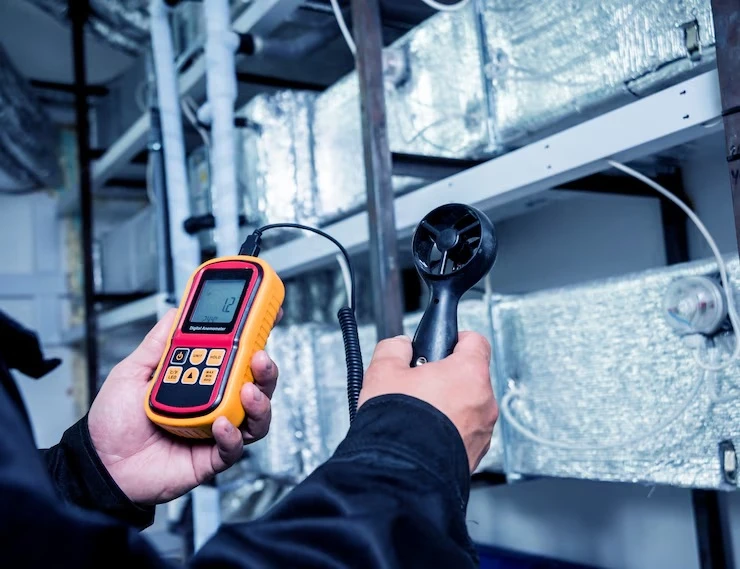

In the rapidly evolving automotive industry, vehicle vibration testing plays a critical role in ensuring product durability, ride comfort, and regulatory compliance. Vibrations can affect everything from component longevity to safety and user experience. As such, modern automotive testing facilities rely on advanced technologies to simulate real-world conditions and analyze the effects of vibrational forces on vehicles and their parts.
This article explores the top 7 cutting-edge technologies that are transforming automotive vibration testing and enabling manufacturers to develop more reliable, efficient, and comfortable vehicles.
1. Electrodynamic Shakers
Electrodynamic shakers are at the heart of most vehicle vibration testing setups. These devices use electromagnetic coils to create controlled vibrations across a broad range of frequencies.
Key Features:
- Capable of simulating real-world vibration profiles
- Provide accurate, repeatable testing for fatigue analysis
- Useful for both low and high-frequency vibration tests
Electrodynamic shakers can be used for single-axis or multi-axis testing and are often coupled with environmental chambers to assess vibration under different temperature and humidity conditions. These shakers are crucial in automotive testing facilities where precise control is essential.
2. Servo-Hydraulic Test Systems
While electrodynamic shakers are ideal for high-frequency testing, servo-hydraulic systems are preferred for low-frequency and high-force applications.
Why They're Used:
- Test large or heavy vehicle components (like suspension systems)
- Deliver powerful forces to simulate potholes, bumps, or chassis stress
- Provide excellent control for long-duration fatigue testing
These systems replicate real-road impacts and stresses, making them indispensable for full-vehicle or sub-assembly testing in automotive vibration testing.
3. Multi-Axis Simulation Tables (MAST)
Multi-Axis Simulation Tables (MAST), also known as 6-DOF (Degrees of Freedom) platforms, are used to reproduce complex vibration patterns encountered by vehicles in real-world driving conditions.
Advantages:
- Simulate pitch, roll, yaw, and linear vibrations simultaneously
- Ideal for full-vehicle testing or large subsystems
- Supports comprehensive durability and comfort evaluation
MAST platforms are typically found in advanced automotive testing facilities where high-fidelity vibration simulation is required for product development and homologation.
4. Accelerometers and Vibration Sensors
No vehicle vibration testing setup is complete without high-precision accelerometers and sensors to monitor and measure vibration in real-time.
Functionality:
- Measure acceleration, displacement, and velocity
- Available in single-axis and tri-axial configurations
- Provide critical feedback for test data analysis and reporting
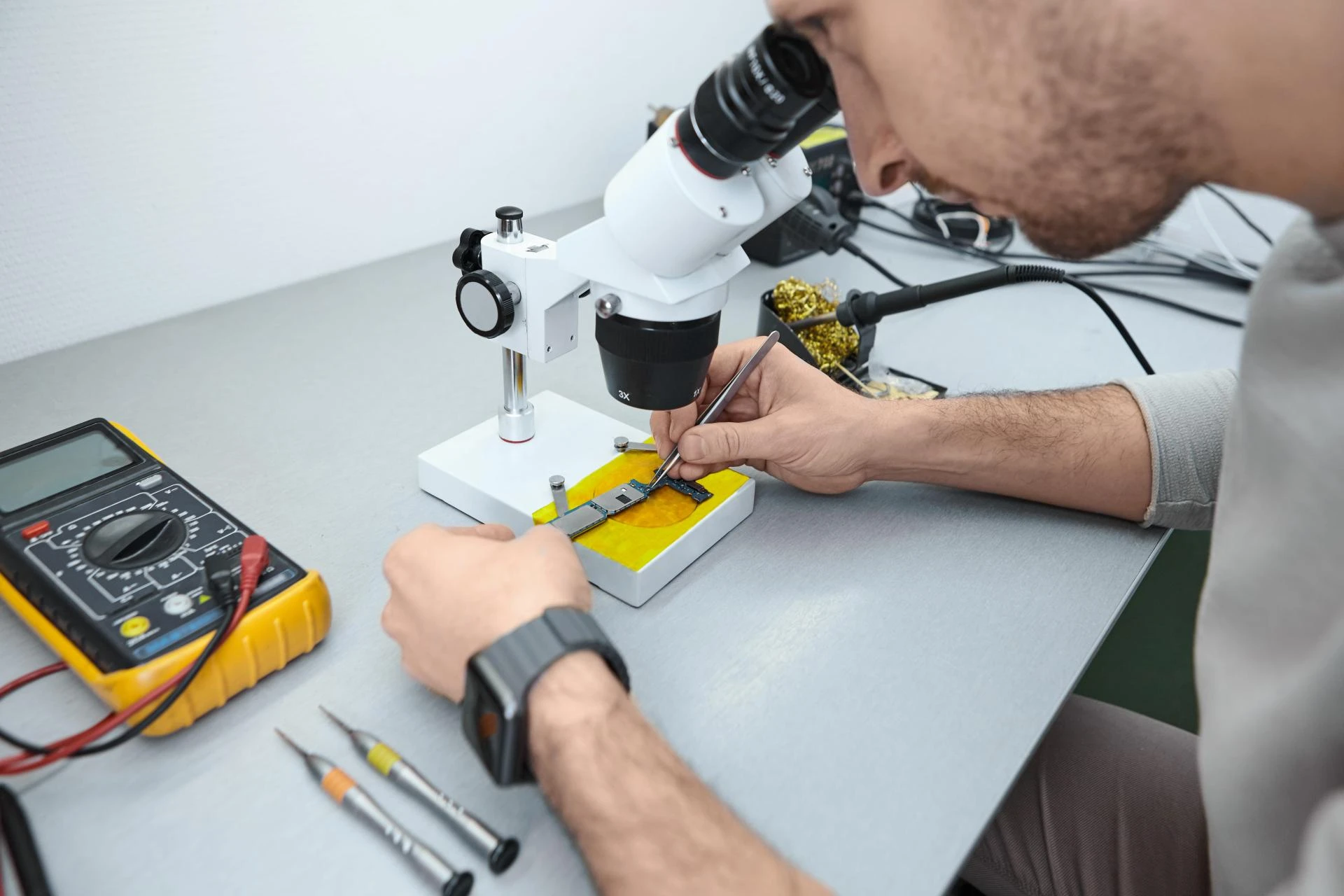
These sensors are placed on various parts of the vehicle or component under test, enabling detailed evaluation and performance benchmarking. Analytical testing services use this data to generate reports for R&D and regulatory compliance.
5. Data Acquisition Systems (DAQ)
Modern automotive vibration testing generates massive amounts of data. Data acquisition systems (DAQs) are used to collect, process, and analyze this data in real time.
Features:
- High-speed data collection from multiple sensors
- Synchronization of inputs from temperature, strain, and vibration channels
- Advanced software for signal filtering and pattern recognition
These systems are often integrated with software platforms for immediate insights, enabling engineers at automotive testing facilities to make quick, data-driven decisions. DAQs also help in post-test analysis for identifying failure points and trends.
6. Environmental Chambers
Real-world vibrations don’t happen in controlled conditions alone. That's why vibration testing chambers are often combined with environmental chambers to replicate temperature and humidity conditions.
Applications:
- Test vehicle parts under extreme heat, cold, and humidity
- Analyze the interaction between environmental stress and vibration
- Useful for parts like ECUs, batteries, infotainment systems, and dashboards
Using environmental chambers along with shakers allows analytical testing services to simulate years of wear and tear in a matter of days—providing highly reliable results for product durability and safety.
7. Advanced Simulation Software
Beyond physical testing, modern vehicle vibration testing is enhanced by simulation software that predicts how components will behave under certain vibrational stresses.
Software Capabilities:
- Finite Element Analysis (FEA) and Multibody Dynamics (MBD)
- Model-based testing to reduce physical prototyping
- Integration with real-time data for hybrid testing
This technology allows R&D teams to design parts that are inherently vibration-resistant before the first prototype is even built. By combining simulations with lab testing, automotive testing facilities can accelerate development cycles while reducing costs.
Why These Technologies Matter
Automotive manufacturers today face intense pressure to deliver safer, more durable, and more environmentally friendly vehicles. Automotive vibration testing helps meet these demands by identifying weaknesses, improving material choices, and validating product designs.
Here’s why investing in these technologies is essential:
- Compliance: Meet international regulations and homologation standards.
- Customer Satisfaction: Reduce NVH (Noise, Vibration, Harshness) issues for a smoother ride.
- Durability: Ensure parts withstand the rigors of real-world use.
- Innovation: Speed up product development and reduce physical testing costs.
Modern analytical testing services leverage this technology to provide end-to-end support for OEMs, Tier-1 suppliers, and component manufacturers across the globe.
Conclusion
Vibration testing is no longer just a quality check—it's a critical part of modern automotive engineering. With the integration of advanced tools like electrodynamic shakers, simulation software, multi-axis tables, and environmental chambers, vehicle vibration testing has become more accurate, efficient, and essential than ever.
Whether you are designing an electric vehicle battery pack, a suspension arm, or an infotainment console, reliable automotive testing facilities and professional analytical testing services ensure that your components meet industry standards and customer expectations.
By leveraging these top 7 technologies, automotive brands can build safer, smarter, and more robust vehicles—fit for the roads of today and tomorrow.






























Sign in to leave a comment.