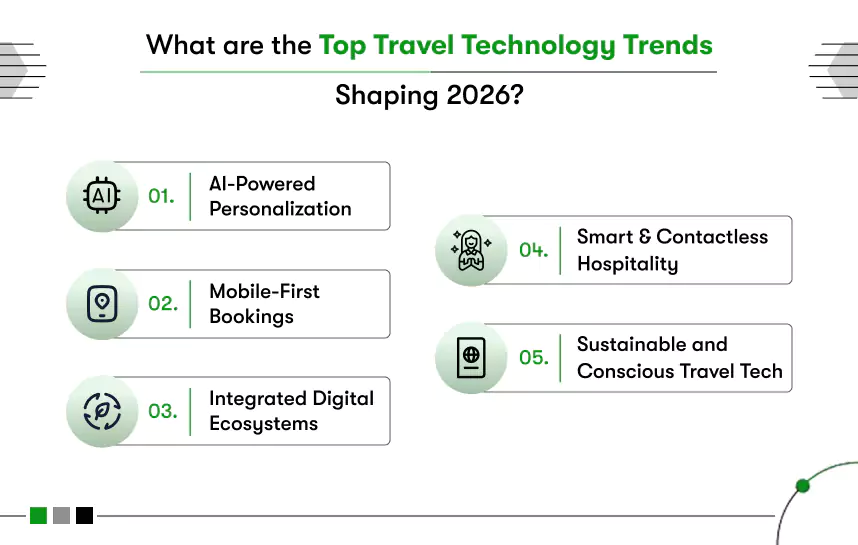

Travel is undergoing a transformation. Expectations have shifted. What travelers once accepted—slow bookings, basic personalization, and generic recommendations—is no longer good enough. In 2025 and beyond, those in the travel and tourism industry who lean into innovation will not just survive—they’ll thrive.
This article explores the key technology trends in travel that are redefining how we plan trips, experience destinations, and interact with travel brands. From immersive previews to sustainability, here’s what is changing—and how you can harness these shifts for your travel business.
1. Immersive Pre-Trip Experiences: Virtual Tours & AR
One of the most visible shifts is in how travelers preview destinations. Virtual Reality (VR) and Augmented Reality (AR) tools are giving people the ability to:
- Walk through a hotel room virtually before booking.
- Explore a neighborhood or cultural attraction from home to decide whether it fits their mood.
- Overlay information while traveling—e.g., AR-powered travel apps showing historical facts or local tips in live view.
These immersive tools reduce uncertainty, increase confidence in bookings, and improve conversion rates. When a guest can see what to expect, they’re more likely to commit.
2. Artificial Intelligence, Machine Learning & Personalization
AI and ML are no longer optional—they’re core to modern travel tech. Important applications include:
- Smart recommendation engines that suggest destinations, accommodations, or tours based on user preferences, past behavior, and real-time signals.
- Dynamic pricing: adjusting rates for flights, rooms, and rentals based on demand, season, competitor pricing, and events.
- AI chatbots and virtual assistants that provide 24/7 support, answer FAQs, help with booking changes, handling delays, etc.
These tools lead to higher user satisfaction, better retention, and improved operational efficiency.
3. Predictive Analytics & Big Data
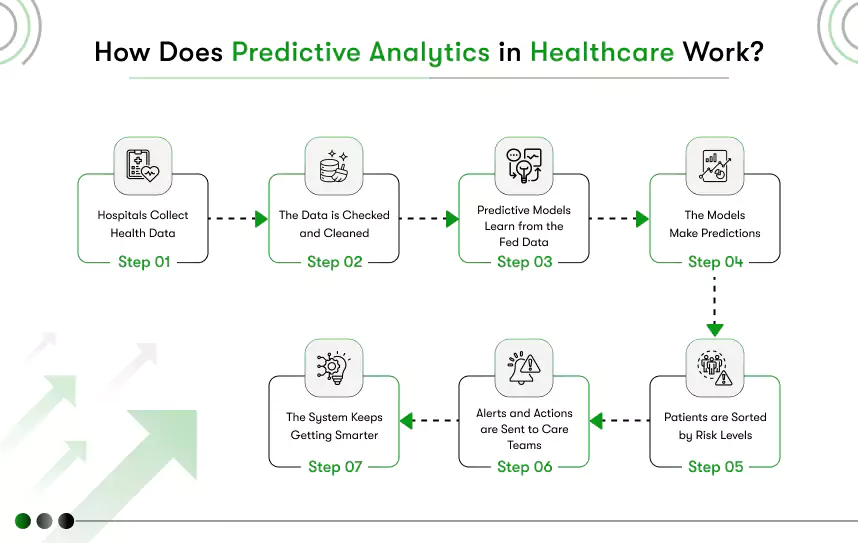
Data is being collected everywhere in travel—booking databases, search queries, social media, reviews. Predictive analytics uses that data to forecast trends and enable smarter decision-making:
- Predict upcoming tourism demand for key destinations, helping hotels and airlines prepare.
- Forecast disruptions—weather, transit delays, demand spikes—and adjust operations ahead of time.
- Tailor offers and marketing to customer segments who are likely to convert.
Travel brands leveraging predictive analytics are more nimble and better able to serve travelers in a proactive way.
4. Internet of Things (IoT) & Smart Environment
IoT is enabling smarter, more connected travel:
- Smart hotel rooms that adjust lighting, temperature, or entertainment based on guest preferences.
- Real-time luggage tracking systems using sensors.
- In airports or large transit hubs, sensors guiding flow of people, improving crowd management.
- Connected vehicles and infrastructure that stream live data to travelers (traffic updates, parking availability, etc.).
These enhancements help travel be more comfortable, efficient, and ultimately less stressful.
5. Biometric & Contactless Technology
After the pandemic, contactless technology saw a surge, but now it’s merging with biometrics:
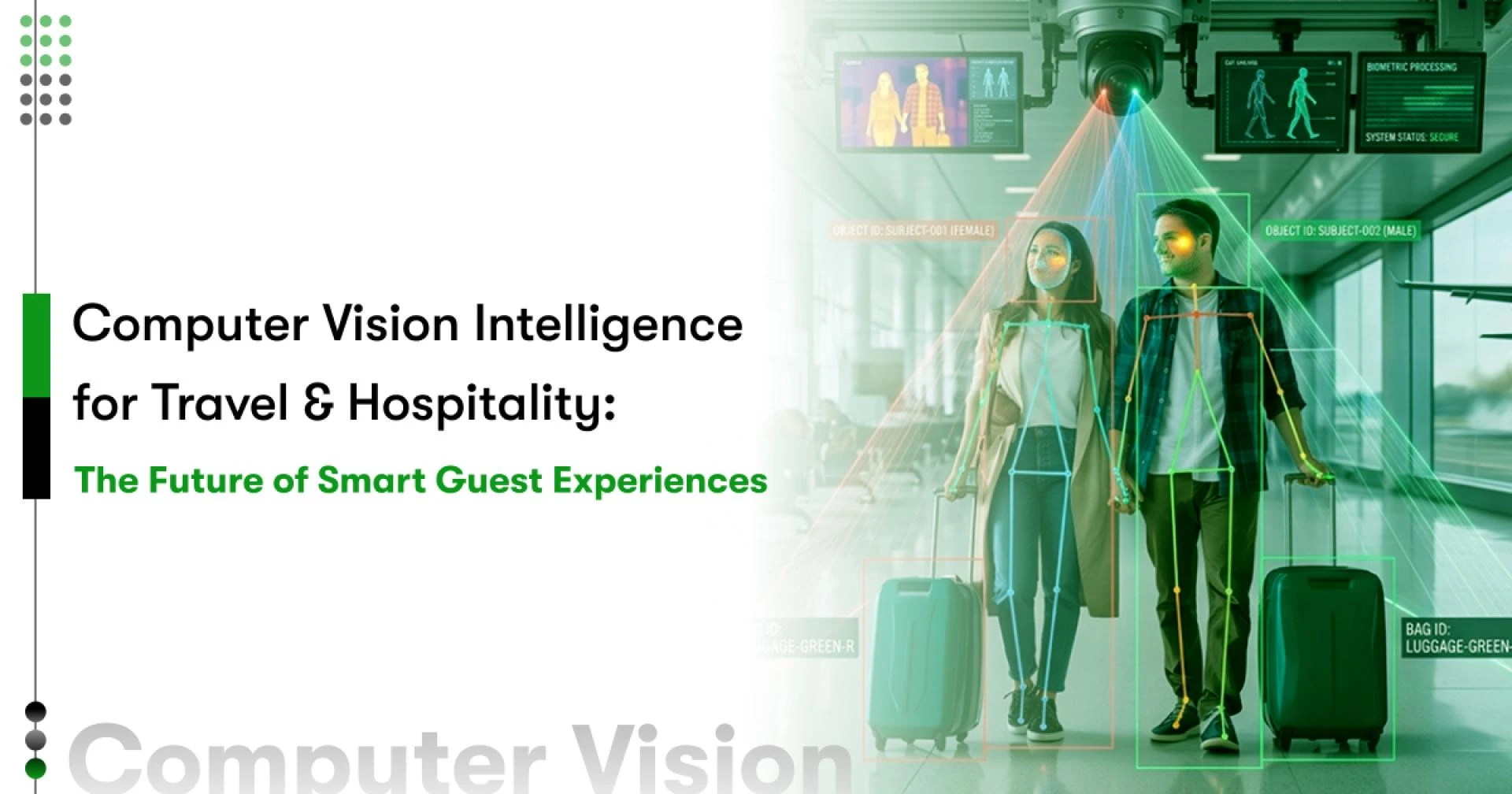
- Facial recognition at check-ins, security, boarding.
- Mobile or touchless payments, digital IDs.
- Gesture or voice interactions to reduce physical contact.
These improve speed and safety, which many travelers now expect as standard.
6. Sustainability & Green Tech
Travelers are increasingly choosing options that reduce environmental impact—not just because it's “nice,” but because it’s demanded. The following technologies are pushing sustainability front and center:
- Carbon calculators that show environmental impact of travel choices.
- Electric or hybrid transport options (vehicles, buses, shuttles).
- Green-certified accommodations or operations of hotels/hospitality using renewable energy, smart energy usage, waste reduction.
- Digital solutions replacing paper brochures, printed maps.
Travel brands embracing these changes enjoy stronger loyalty from environmentally conscious travelers.
7. 5G & Connectivity Enhancements
Fast and reliable connectivity has become a travel expectation, not a perk:
- 5G and improved Wi-Fi offering travelers real-time streaming, AR/VR previews, live translation while traveling.
- Better mobile coverage even in remote destinations.
- Fast, seamless booking, navigation, live updates—connectivity is foundational.
8. Voice Search & Multilingual Assistants
Language can be a barrier. Now, tools are becoming more capable:
- Voice search integrated into travel booking platforms.
- Virtual assistants that understand multiple languages.
- Real-time translation for signs, menus, travel advice.
These advances make travel more accessible and comfortable for international visitors.
9. Blockchain & Secure Transactions
While not yet mainstream everywhere, blockchain is gaining interest for travel due to its advantages:
- Secure and transparent payments.
- Simplified loyalty and identity programs.
- Improved trust when data integrity and security are essential.
Challenges remain—standardization, regulatory clarity—but the potential is significant.
10. Digital Twins & Extended Reality (XR) Tourism
Digital twin technologies—replicating real places in virtual models—combined with VR, AR (collectively XR), are enabling:
- Remote tours of destinations with high fidelity.
- Interactive planning tools where you can experiment with route, lodging, experience.
- Visitor preview tools for landmark attractions or cultural sites.
This offers both pre-travel inspiration and decision support.
Why These Technology Trends Matter to Travel Brands
So, you’re asking: why should travel companies care?
- Competitive Advantage: Brands that adopt early get noticed.
- Efficiency Gains: Automation, personalization, predictive tools reduce costs.
- Better Customer Experience: Lower friction, more control, more confidence.
- Higher Revenue: Dynamic pricing, upselling experiences, better occupancy.
- Sustainability & Reputation: Modern travelers rate brands high on environmental and ethical credentials.
How to Implement Technology Trends Strategically
If you’re a travel brand — hotel, OTA, tour operator, destination marketer — here are strategic steps:
- Start with customer pain points: What are travelers complaining about—delays, uncertainty, lack of personalization? Fix those with tech.
- Pilot projects: Try AR previews, chatbots, or predictive analytics on small scale first.
- Partnerships: Collaborate with tech providers, AR/VR studios, IoT vendors — don’t build everything in-house.
- Data privacy and ethics: With personalization and data collection comes responsibility. Be transparent, protect data.
- Training & culture: Equip your staff to manage new tools and meet evolving customer expectations.
Challenges to Watch Out For
- Content creation costs for AR/VR experiences can be high.
- Interoperability among multiple systems (IoT, apps, platforms) is often tricky.
- Customers vary: some are tech-savvy; others may resist new tech or feel overwhelmed.
- Privacy, regulation, and data security must be managed well.
The Road Ahead: What’s Next
Looking forward, expect more of:
- AI that predicts not just destinations but emotions—tools that sense traveler mood, stress, opportunity for upsell.
- More XR tourism blended into everyday travel; virtual journeys becoming part of trip marketing.
- Smarter, shared mobility and autonomous systems as infrastructure matures.
- More sustainable technology—solar power, alternative fuels, carbon tracking built into platforms.
Conclusion
The technology trends in travel we see today are more than just shiny tools—they’re redefining traveler expectations, business operations, and competitive strategy. VR, AI, IoT, sustainability, and immersive experiences are not the future—they're the present in many leading travel brands.
If your travel business isn’t already exploring these trends, now’s the time. Those who adapt will lead, those who wait risk being left behind. Travel is shifting—and technology is at the wheel.



























Sign in to leave a comment.