
A grounded look at how standardized workholding components influence real machining conditions, from fit and force transfer to repeatability and setup time, without relying on theory alone.
Why Standardization Still Gets Overlooked
Most setups do not fall apart overnight. They drift. A replacement part that is close enough, a slightly off-size component that still tightens, a workaround that becomes a habit. None of it seems serious in isolation. Over time, though, the setup starts asking for small corrections just to behave. That is usually the first sign that something is off. Standardization prevents that slow slide. When components are built to the same dimensional intent, they settle into place without argument, and the setup holds its shape without needing constant intervention.
Consistency at the Point of Contact
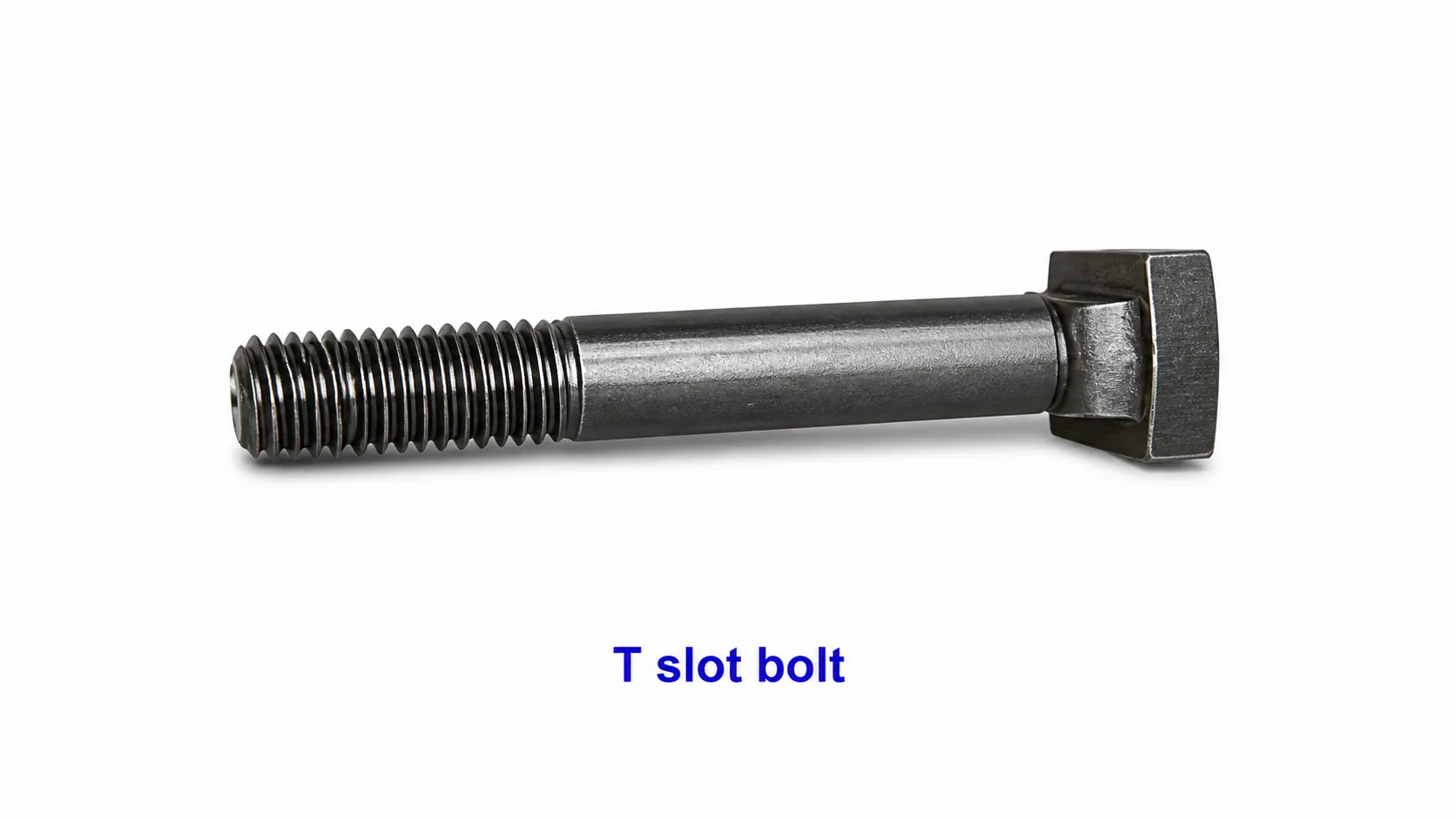
The table slot tells you very quickly whether a component belongs there. A properly made T slot bolt drops in with a clean, controlled fit. There is no wobble, no tilt, no need to guide it into position while tightening. That contact point defines everything that follows. If the fit is loose, the load shifts. If the bolt leans, the clamping force follows that angle. These are small deviations, but they show up in the work. A consistent fit removes that uncertainty and keeps the force where it was intended to go.
Setup Time Is Where Efficiency Lives
Cutting time gets the attention, but setup time decides how productive a shop actually is. When components vary, operators spend more time adjusting, checking, and compensating. It is not dramatic, just steady friction in the process. Standardized parts reduce that friction. You reach for a component, and it fits the way you expect. That alone changes the pace of work. Setups come together faster, and more importantly, they come together the same way each time.
Load Distribution and Stability
Clamping force does not simply push down. It travels through every contact surface in the setup. When one of the elements is positioned in an unequal manner, the load path alters, which can occasionally be sufficient to move the workpiece while it is being cut. Components that are standardized contribute to the predictability of that path. When components such as wedge steel are added to the setup, the individual has a greater degree of control over the support and alignment. The load spreads more evenly, the contact surfaces stay engaged, and the setup resists movement instead of reacting to it.
Reliability Over Repetition
A setup proves itself through repetition. It is easy to make something work once. It is harder to make it behave the same way every time. This is where consistency in components matters most. A well-made T slot bolt engages the slot the same way on every use, without developing play or resistance. That reliability removes doubt from the process. Operators stop second-guessing the hardware and focus on the cut, which is where their attention should be.
Why Quality and Standardization Go Together
Standardization only holds value if the parts are made to hold their dimensions. Nominal sizes do not mean much if tolerances drift. Shops that rely on repeatable setups tend to pay close attention to sourcing for that reason. Suppliers like George H. Seltzer & Co. are often chosen because their components behave consistently in real conditions, not just in specifications. When parts fit properly without adjustment, the entire setup benefits in ways that are easy to feel, even if they are hard to measure directly.
Conclusion
A good setup does not need to be forced into place. It comes together cleanly and stays that way under load. Standardized components make that possible by removing small inconsistencies before they turn into larger problems. If your setups rely on adjustments to feel right, it may be time to look at the hardware itself. Choose components that fit correctly from the start and hold that fit over time. If you want more consistent results on the floor, start with the parts that define the setup and build from there.




























Sign in to leave a comment.