
In the dynamic world of digital experiences, the success of a product often hinges on the delicate balance between user interface (UI) and user experience (UX) design. The fusion of these two elements is an art form in itself, giving birth to what we call "intuitive design." In this blog post, we'll delve into the realm of UI/UX strategies, unveiling the secrets behind creating interfaces that not only look visually appealing but also seamlessly guide users through a delightful journey.
Understanding Intuitive Design:
At its core, intuitive design is about anticipating user needs and creating a user interface that feels natural and instinctive. It goes beyond aesthetics, focusing on how users interact with a product. The ultimate goal is to make the user experience so smooth that users can navigate without conscious effort. Achieving this level of design finesse involves a strategic blend of elements that cater to both form and function.
Simplicity and Clarity:
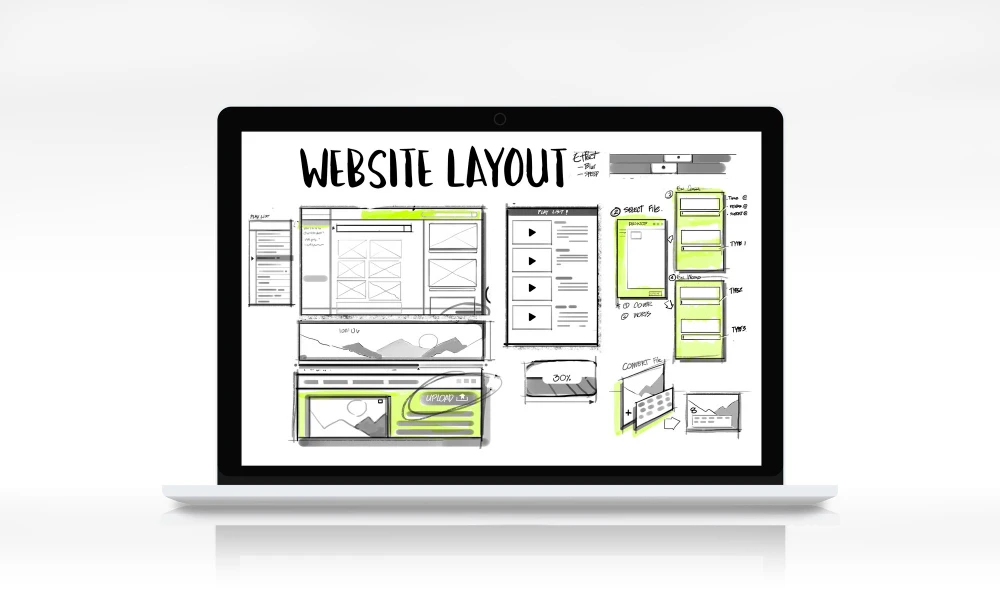
One of the foundational principles of intuitive design is simplicity. A clutter-free interface with a clear hierarchy allows users to quickly grasp the purpose of each element. The use of concise language and easily recognizable icons enhances understanding, reducing the cognitive load on users. By streamlining the design, users can effortlessly navigate through the interface, enhancing their overall experience.
User-Centric Approach:
Effective UI/UX design begins with a deep understanding of the target audience. Conducting user research and creating user personas helps designers empathize with the end-users, enabling them to tailor the design to meet specific needs. A user-centric approach involves constant feedback loops, usability testing, and iteration to ensure that the design aligns with user expectations and preferences.
Visual Consistency and Feedback:
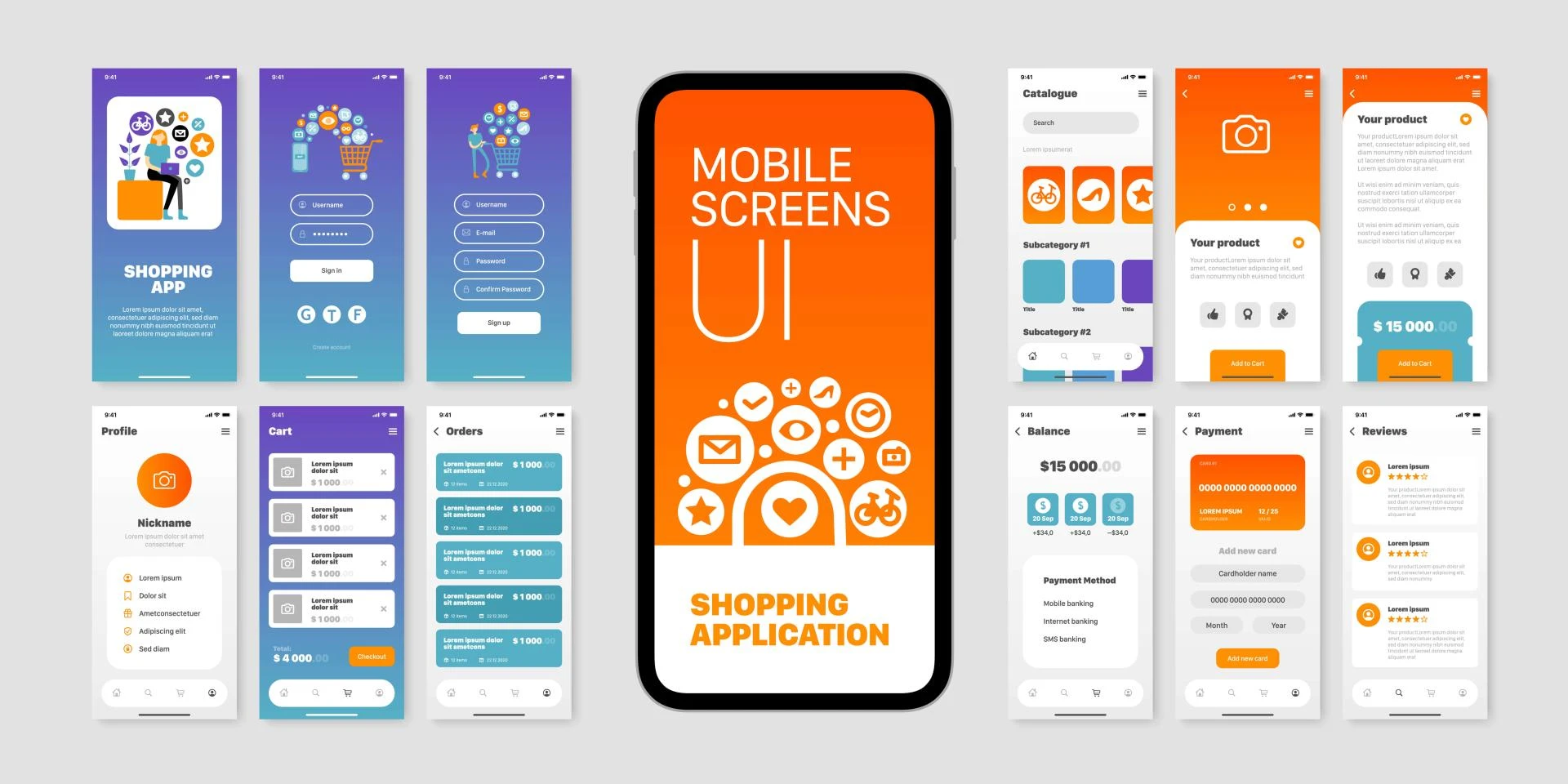
Consistency in design elements, such as colors, typography, and button styles, fosters a sense of familiarity. Users should not feel disoriented as they move through different sections of an application or website. Providing instant feedback, whether through subtle animations or prompt notifications, reassures users that their actions have been acknowledged, creating a more engaging and responsive user experience.
Mobile Responsiveness:
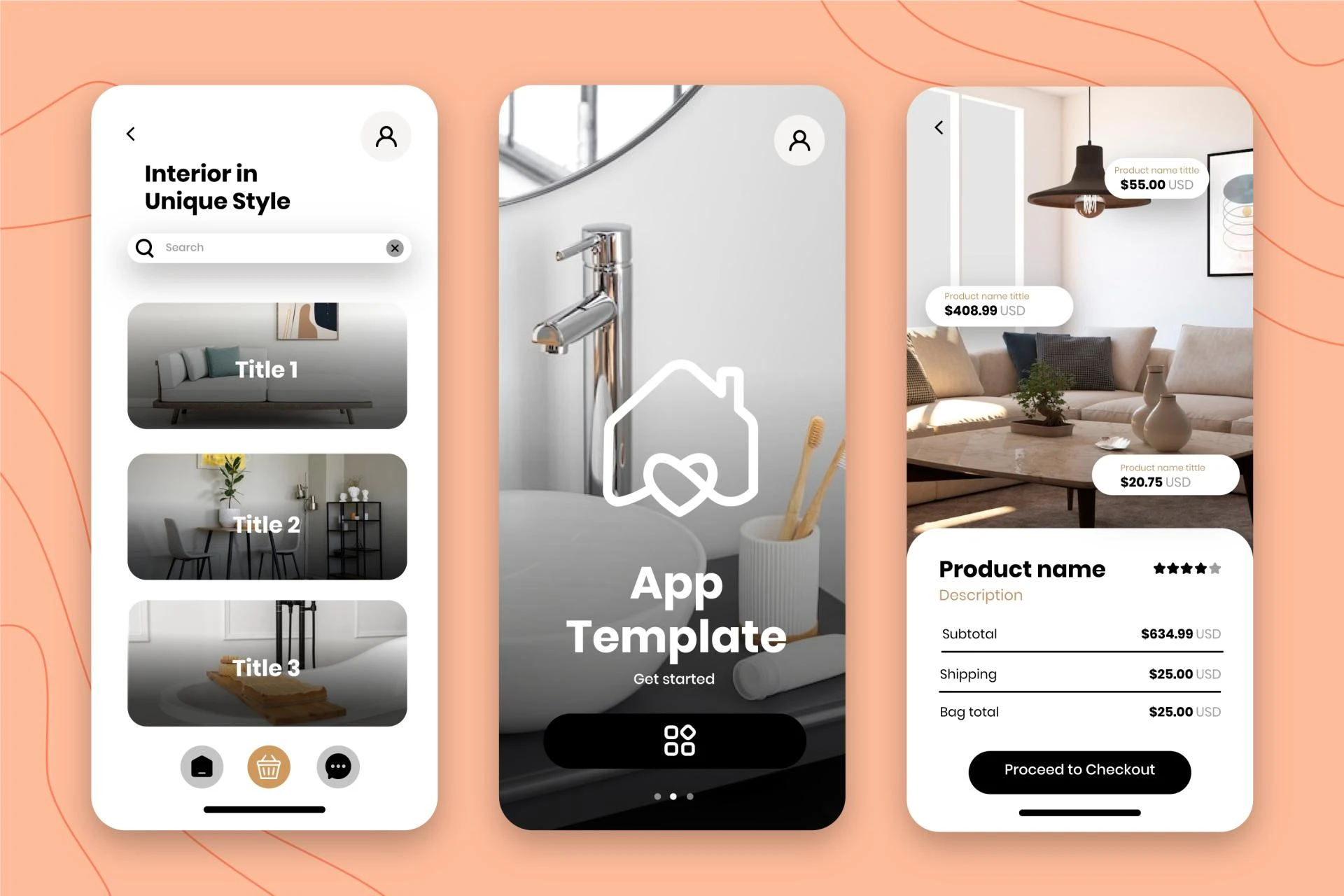
In an era dominated by smartphones and tablets, mobile responsiveness is non-negotiable. Intuitive design extends to creating interfaces that adapt seamlessly to various screen sizes and resolutions. A responsive design ensures a consistent and enjoyable user experience across devices, capturing the attention of users on the go.
Accessibility and Inclusivity:
Intuitive design is inclusive design. Prioritizing accessibility features, such as alt text for images, keyboard navigation, and adjustable font sizes, ensures that the interface is usable by everyone, including those with disabilities. A truly intuitive design caters to a diverse audience, fostering inclusivity and making the product accessible to a broader user base.
Conclusion:
The art of intuitive design is a nuanced journey that demands a deep understanding of user behavior, thoughtful decision-making, and a commitment to continuous improvement. By embracing simplicity, user-centricity, visual consistency, mobile responsiveness, and accessibility, designers can create interfaces that not only captivate the eye but also elevate the overall user experience.
In the ever-evolving landscape of digital design, the mastery of intuitive design principles is the key to unlocking user satisfaction and loyalty. As technology continues to advance, designers must stay attuned to emerging trends and user expectations, ensuring that their creations stand the test of time in this rapidly changing digital era.
Visit my Upwork profile for - UI/UX design, Mobile Design & Product Designer
Project Catalog for - Mobile App UI UX Design, iOS or Android Mobile APP UX/UI Design & Modern Crypto Design


























Sign in to leave a comment.