
In the fast-paced digital landscape, where users are inundated with choices, creating a memorable and enjoyable experience is imperative for the success of any digital product. User Interface (UI) and User Experience (UX) design play pivotal roles in shaping how users interact with a website or application. At the heart of this design process lies the concept of "User Delight," a principle that goes beyond mere functionality to create an emotional connection between the user and the product.
Understanding User Delight
User Delight is not just about meeting users' expectations; it's about exceeding them. It involves creating an interface that not only serves its purpose efficiently but also brings joy and satisfaction to the user. This emotional response is what transforms a good design into a great one, fostering user loyalty and advocacy.
The Role of Emotional Design
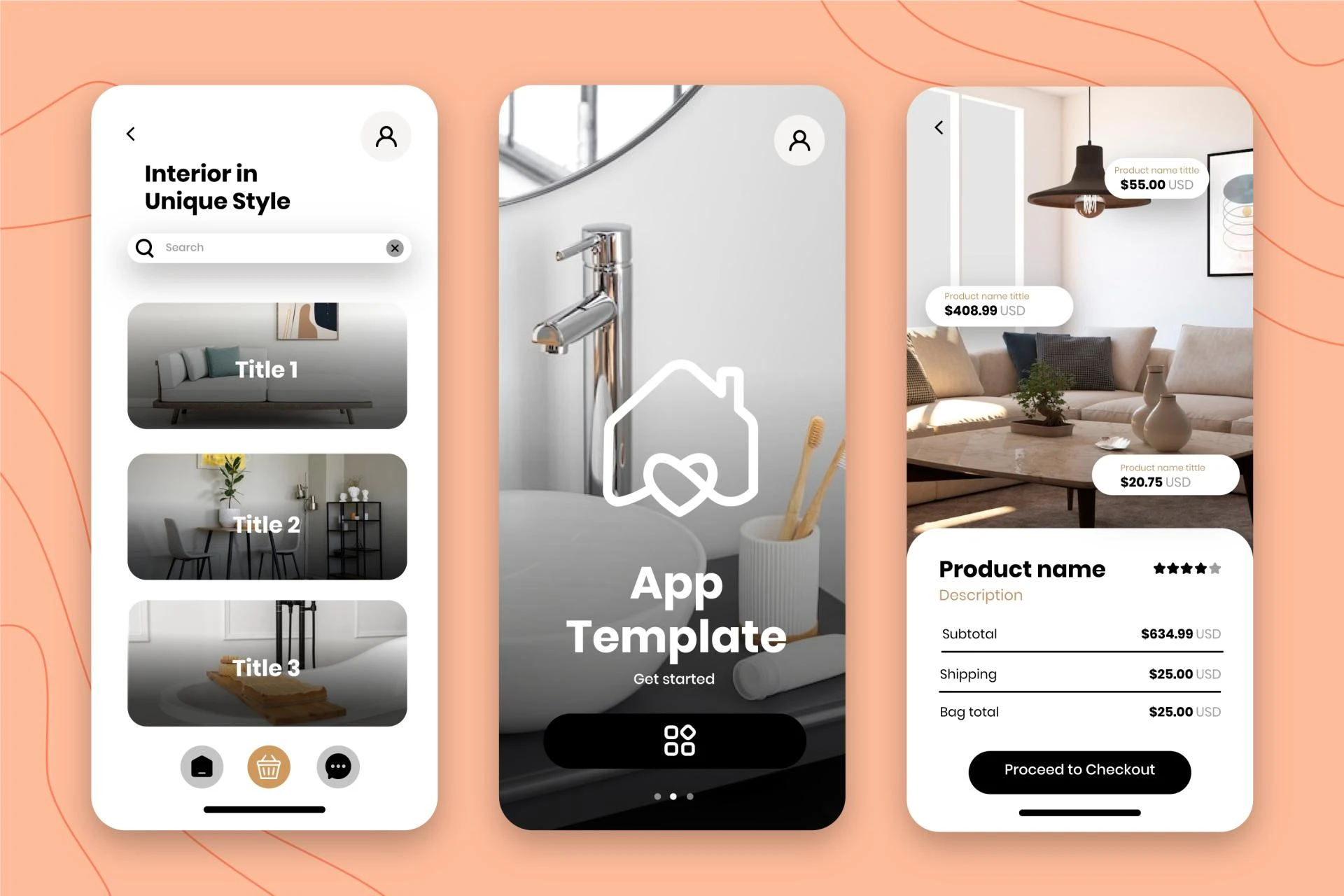
Effective UI/UX design goes beyond aesthetics and functionality; it taps into the emotional aspects of user interaction. Emotional design considers the user's feelings and responses throughout their journey, ensuring that each touchpoint evokes a positive emotion. Whether it's the color palette, typography, or interactive elements, every design choice contributes to the overall emotional impact.
Creating a Seamless Experience
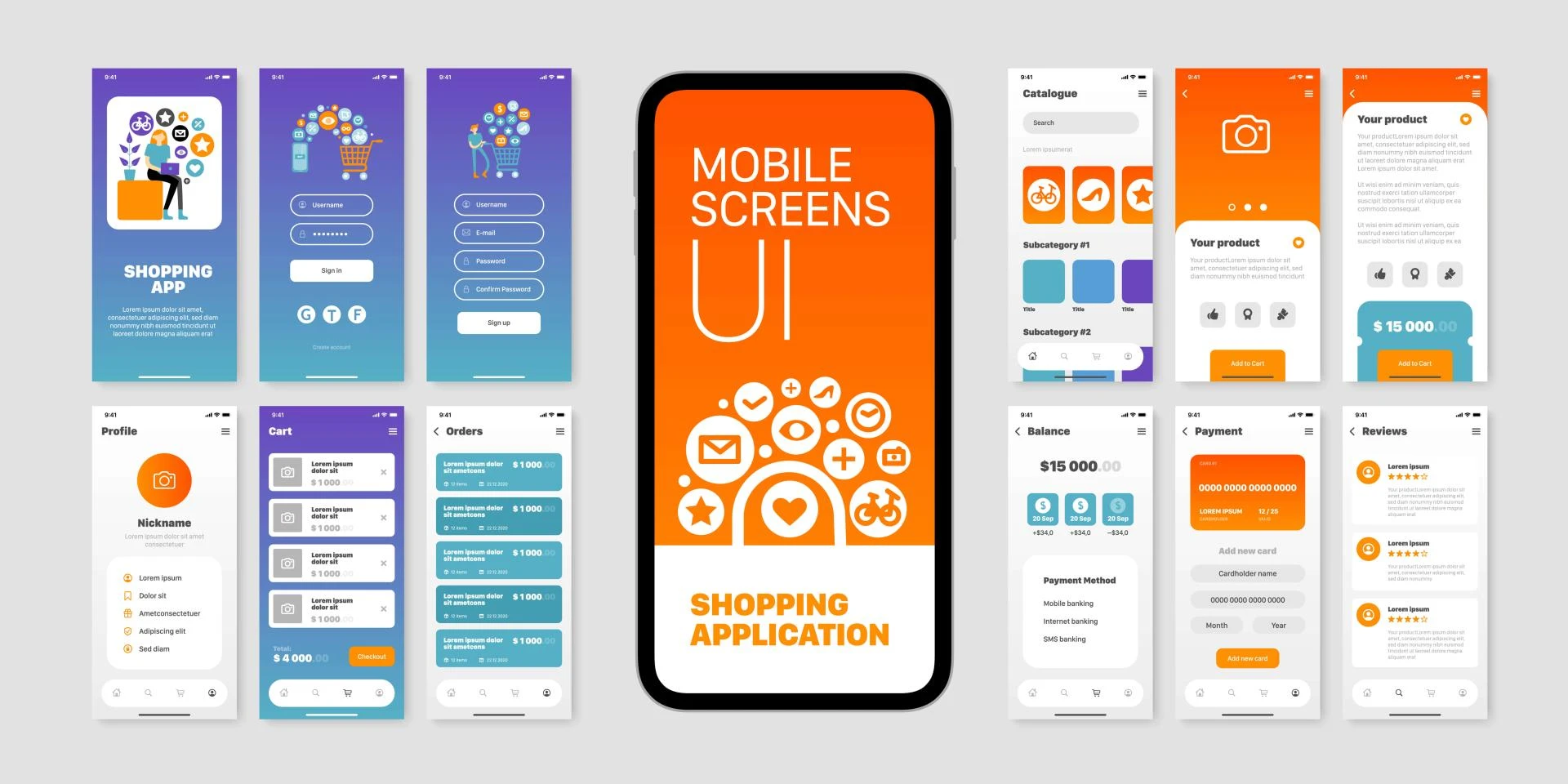
User Delight is often the result of a seamless and intuitive user experience. Navigation should be effortless, and interactions should feel natural. Consistency in design elements across different pages and devices is crucial to building user confidence and ensuring a cohesive experience. When users can easily navigate and understand the interface, they are more likely to enjoy their interaction with the product.
Personalization and User Empowerment
One key aspect of User Delight is personalization. Tailoring the user experience based on individual preferences enhances engagement and satisfaction. From customizable settings to personalized recommendations, allowing users to tailor their interaction fosters a sense of empowerment and ownership. When users feel that a product understands and caters to their unique needs, it significantly contributes to their delight.
Feedback Loops and Continuous Improvement
User Delight is an ongoing process that requires a commitment to gathering user feedback and making continuous improvements. Establishing feedback loops, whether through surveys, user testing, or analytics, enables designers to understand how users perceive and interact with the product. Regular updates and enhancements based on this feedback demonstrate a dedication to meeting user needs and ensuring a delightful experience over time.
The Business Impact of User Delight
User Delight is not just about creating positive experiences for users; it also has a tangible impact on the success of a business. Satisfied and delighted users are more likely to become loyal customers, leading to increased retention and positive word-of-mouth marketing. The emotional connection fostered by User Delight can set a product apart in a competitive market, creating a lasting positive impression.
Conclusion
In the realm of UI/UX design, prioritizing User Delight is not just a design choice; it's a strategic decision with far-reaching implications. By understanding the emotional aspects of user interaction, creating seamless experiences, personalizing interactions, and maintaining a commitment to continuous improvement, designers can elevate their creations from functional to delightful. In doing so, they not only meet user expectations but exceed them, fostering loyalty and ensuring the long-term success of the product. Ultimately, User Delight is the heartbeat of effective UI/UX design, creating products that users not only use but love.
Visit my Upwork profile for - UI/UX design, Mobile Design & Product Designer
Project Catalog for - Mobile App UI UX Design, iOS or Android Mobile APP UX/UI Design & Modern Crypto Design






















Sign in to leave a comment.