

In the world of design, storytelling is a potent tool that transcends words and engages users on a profound level. The art of storytelling isn't confined to literature or cinema—it extends to User Interface (UI) and User Experience (UX) design. When harnessed effectively, storytelling through UI/UX design can create immersive, memorable, and emotionally resonant experiences that captivate users and drive engagement. In this article, we will delve into the intricacies of the art of storytelling in UI/UX design and explore how it elevates digital interactions to new heights.
1. Crafting a Visual Narrative
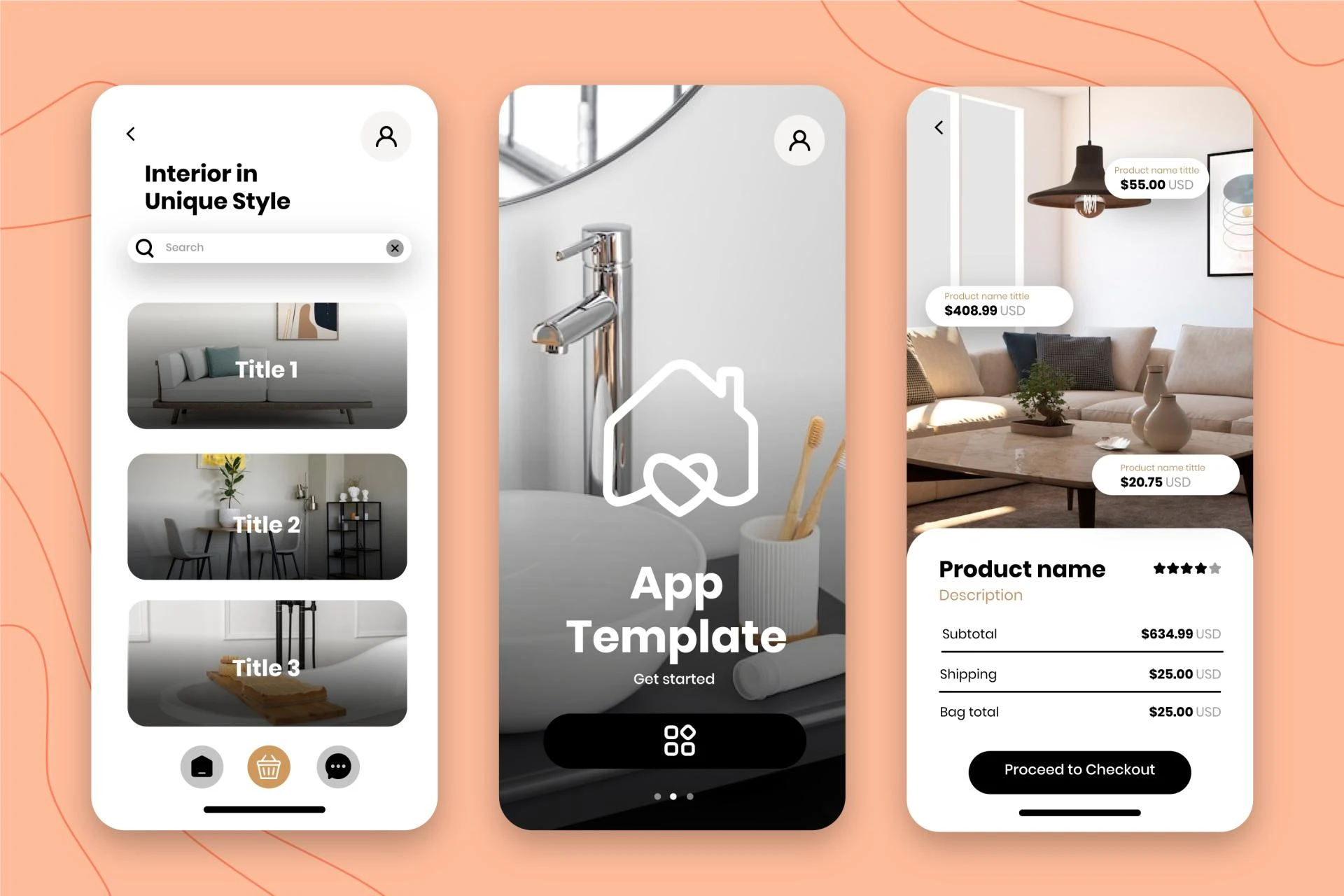
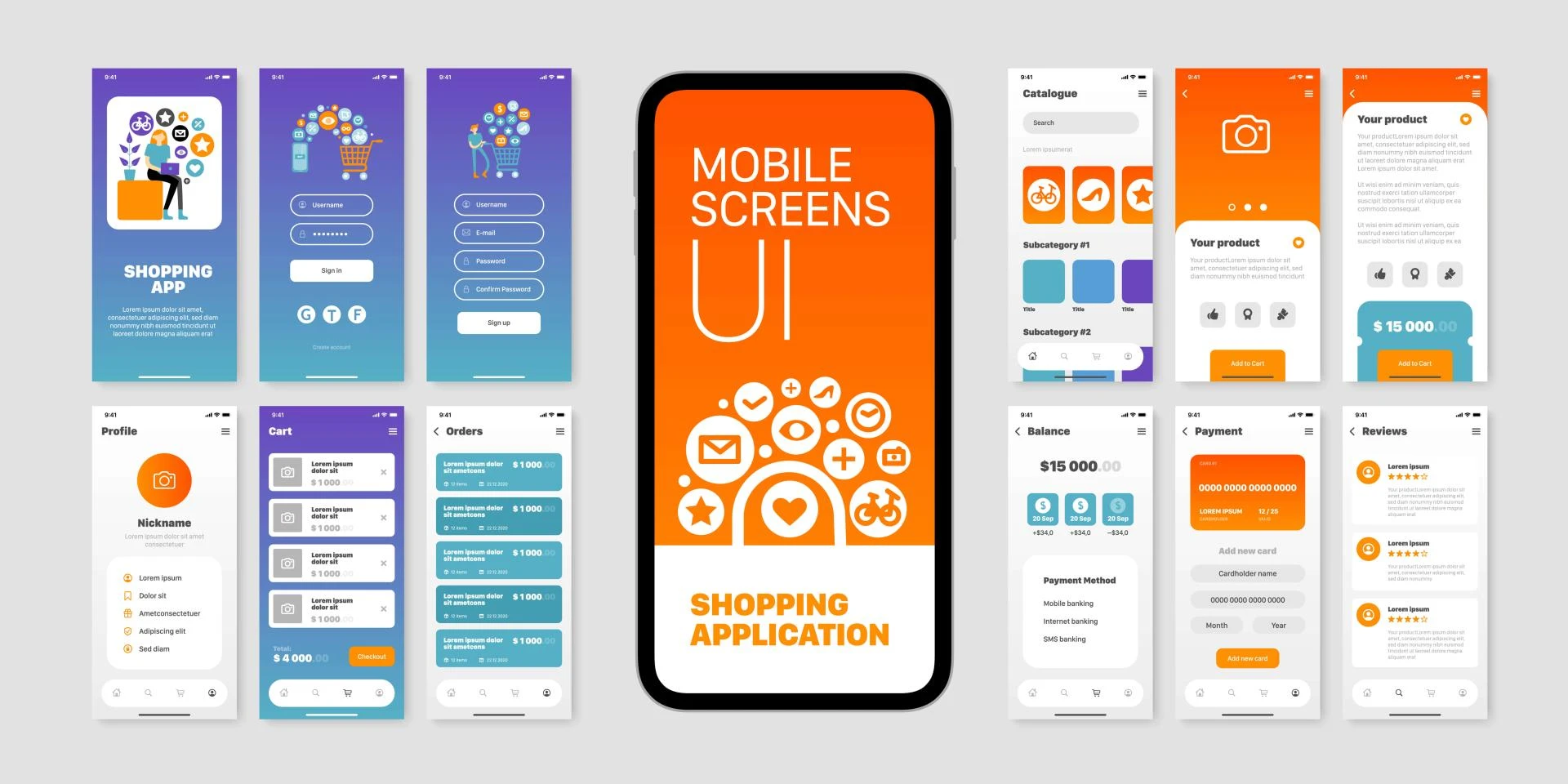
At its core, storytelling in UI/UX design involves weaving a visual narrative that guides users through their journey. Elements such as colors, typography, imagery, and layout contribute to the narrative's tone, mood, and pace. Whether it's a website, mobile app, or software interface, each screen becomes a page in the unfolding story. Consistency in design elements ensures a cohesive narrative that resonates with users.
2. Establishing User Personas as Characters
User personas play the role of characters in the design story. By understanding users' needs, goals, and behaviors, designers can create personas that represent different user types. These personas guide design decisions, ensuring that the UI/UX addresses the unique challenges and aspirations of each character. A seamless user experience results from aligning the narrative with user personas' journeys.
3. Embracing Contextual Design
Context is the backdrop against which the design story unfolds. Effective storytelling takes into account users' contexts, such as their environment, device, and emotional state. Contextual design adapts the narrative to different scenarios, ensuring that users feel understood and catered to. Tailoring the experience to context enhances user immersion and connection.
4. Using Micro-Interactions as Plot Points
Micro-interactions are the nuanced moments that occur during user interactions. These can be seen as plot points that contribute to the overall narrative. A simple animation, a delightful sound effect, or a subtle transition can add depth and emotion to the story. Thoughtful micro-interactions enhance user engagement and foster a sense of anticipation.
5. Guiding with Visual Hierarchy
Visual hierarchy serves as the story's roadmap, guiding users through the narrative flow. By strategically emphasizing certain elements over others, designers direct users' attention and interactions. Visual hierarchy determines the pacing of the story, allowing users to absorb information in a structured and intuitive manner.
6. Evoking Emotions through Design
Just as stories evoke emotions, UI/UX design has the power to trigger emotional responses. Through color psychology, imagery, and typography, designers can create an emotional atmosphere that aligns with the narrative's intent. Joy, curiosity, trust, and empathy are some of the emotions that can be harnessed to enrich the user experience.
7. Seamless Transitions for Continuity
In storytelling, seamless transitions maintain the narrative's flow. Similarly, in UI/UX design, transitions between screens or sections should be smooth and coherent. Users should feel that they are progressing naturally through the story, without jarring interruptions. Consistent transitions enhance immersion and maintain the user's engagement.
8. Leveraging User Journeys as Plot Arcs
User journeys mirror the structure of plot arcs in storytelling. The journey begins with an introduction, followed by rising action, climax, resolution, and a conclusion. Designers align the user journey with these narrative phases, ensuring that the UI/UX experience builds tension, resolves conflicts, and culminates in a satisfying conclusion.
9. The Power of Interaction Design
Interaction design is the dynamic dialogue between users and the digital interface. Each interaction contributes to the unfolding story. Designers choreograph interactions to reflect the narrative's rhythm. Whether it's scrolling, clicking, swiping, or typing, every interaction should seamlessly advance the story and deepen user engagement.
10. Measuring Engagement as Audience Response
In traditional storytelling, audience engagement is measured by reactions and feedback. In UI/UX design, engagement is gauged through metrics such as time spent on site, bounce rate, and conversion rate. Analyzing these metrics provides insights into how effectively the design narrative resonates with users and whether it compels them to take desired actions.
Conclusion
The art of storytelling through UI/UX design is a harmonious blend of aesthetics, psychology, and human-centered thinking. By crafting a visual narrative, establishing characters (user personas), embracing contextual design, and leveraging elements such as micro-interactions, visual hierarchy, emotions, and transitions, designers create immersive and impactful digital experiences. The parallels between traditional storytelling and UI/UX design reveal that, at its core, design is a form of narrative creation that invites users to become active participants in a captivating story. As designers continue to refine the art of storytelling, they shape the future of digital interactions and redefine how users engage with the digital world.
Visit my Upwork profile for — UI/UX design, Web Design & Mobile design
Check out my amazing project catalog — iOS or Android Mobile APP UX/UI Design, Responsive website design & Crypto & NFT Mobile App UI Design




























Sign in to leave a comment.