

Prototyping is a crucial phase in the User Interface (UI) and User Experience (UX) design process. It allows designers to transform static concepts into interactive and tangible experiences, offering stakeholders and users a glimpse into the final product's functionality and flow. In today's digital age, prototyping tools have become essential companions for designers, enabling them to iterate, test, and refine designs before development. In this article, we will explore the role of prototyping tools in UI/UX design and how they bring designs to life.
1. What is a Prototyping Tool?
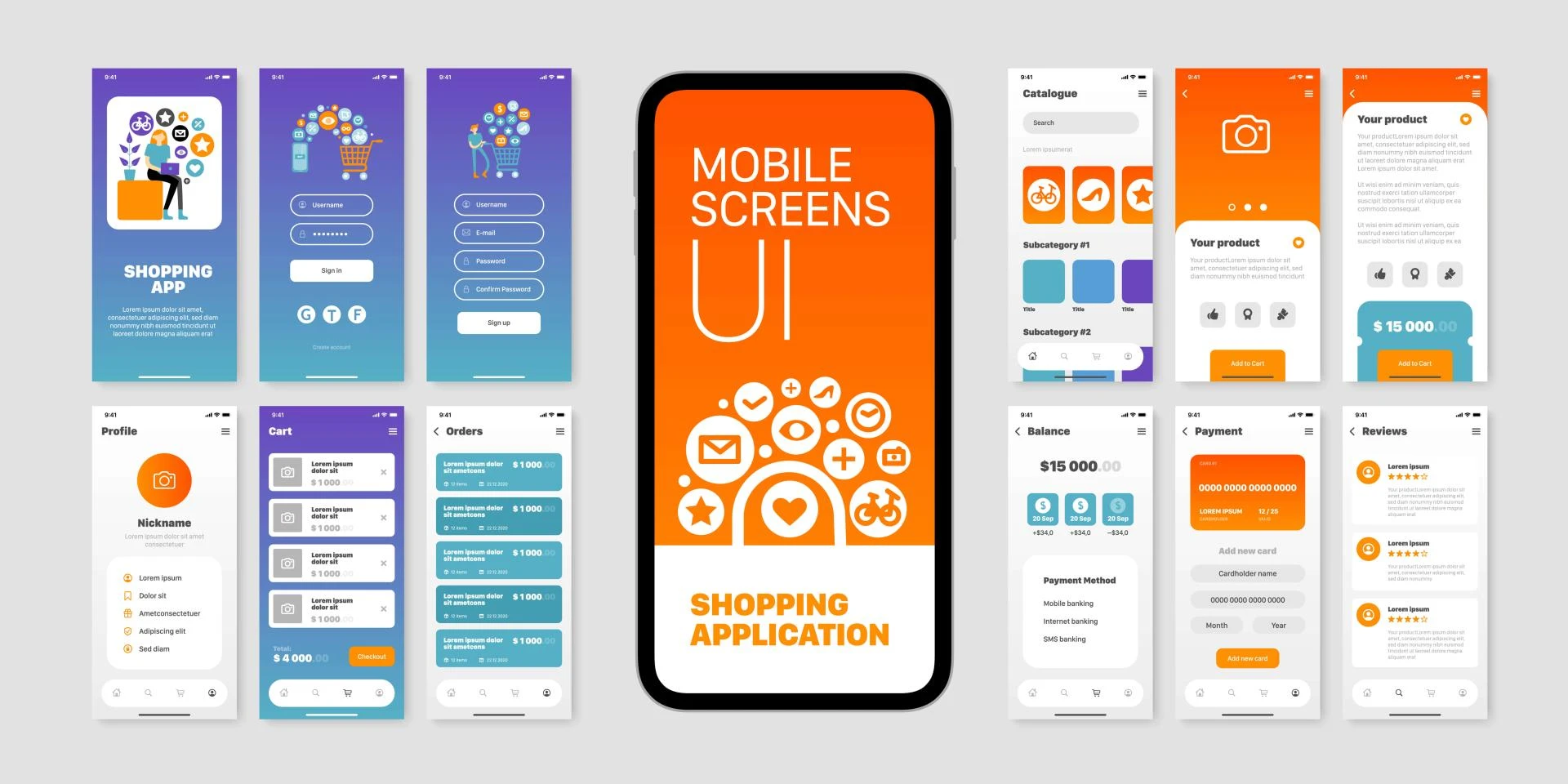
A prototyping tool is software that facilitates the creation of interactive mockups or prototypes of digital interfaces. These tools provide designers with a platform to simulate user interactions, transitions, and animations, giving a realistic preview of how the final product will behave and feel.
2. Benefits of Using Prototyping Tools
Prototyping tools offer a range of benefits throughout the design process:
User Testing: Interactive prototypes allow designers to conduct usability testing and gather user feedback early in the design cycle. This ensures that design decisions are informed by real-world user experiences.Iterative Design: Prototyping tools support rapid iteration. Designers can quickly make changes, test different concepts, and refine interactions without the need for extensive coding.Stakeholder Communication: Prototypes provide a tangible way to communicate design ideas and concepts to clients, stakeholders, and development teams. They bridge the gap between static mockups and the final product.Visualizing Interactions: Prototyping tools enable designers to visualize complex interactions, such as user flows, transitions, and animations. This visualization aids in refining the user experience and identifying potential issues.Validation: Prototypes validate design decisions by demonstrating how users will engage with the interface. This validation helps designers identify usability challenges and make informed adjustments.3. Types of Prototyping Tools
There are various types of prototyping tools available, ranging from simple to complex:
Low-Fidelity Tools: These tools focus on basic interactions and are ideal for quickly sketching out design concepts. They are user-friendly and require minimal technical expertise.High-Fidelity Tools: High-fidelity prototyping tools offer more advanced features, such as realistic animations, interactions, and responsive design. They provide a closer representation of the final product's behavior.Code-Based Prototyping: For designers with coding skills, code-based prototyping allows for greater customization and control. Designers can create interactive prototypes using HTML, CSS, and JavaScript.4. Steps in Prototyping with Tools
The process of prototyping with tools involves several key steps:
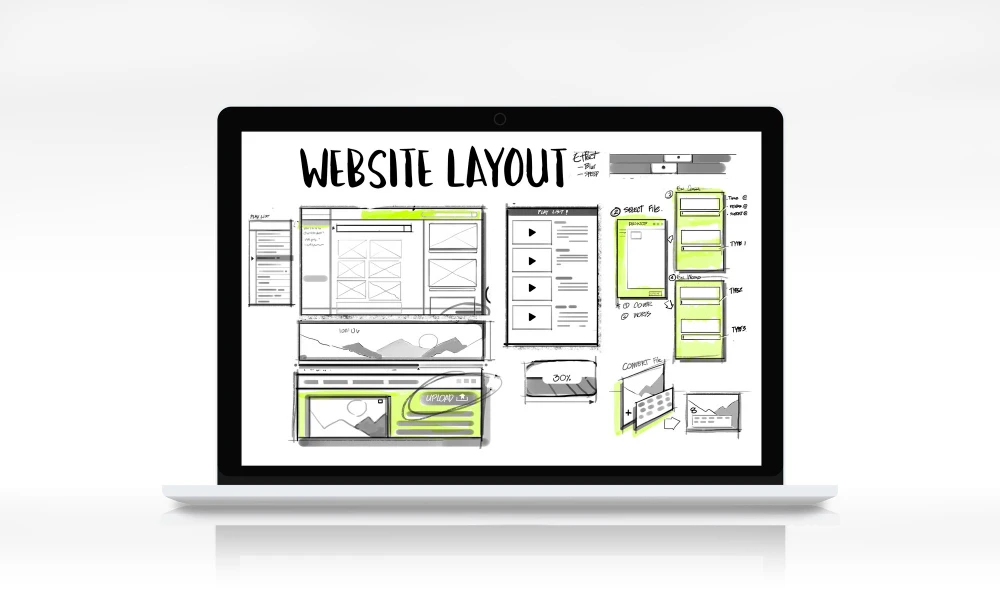
Define Objectives: Clearly define the goals and objectives of the prototype. What specific interactions or user flows do you want to showcase?Sketch the Layout: Start with a rough layout of the interface. Focus on basic placement of elements, content hierarchy, and navigation.Add Interactions: Use the prototyping tool to add interactive elements, such as buttons, links, and input fields. Define how these elements will behave when clicked or interacted with.Create User Flows: Connect screens and interactions to create user flows. This helps simulate the user's journey through the interface and test the overall usability.Incorporate Feedback: Share the prototype with stakeholders, users, or team members for feedback. Use their insights to make necessary adjustments and improvements.Test and Refine: Conduct usability testing to identify any usability issues or areas for improvement. Refine the prototype based on user feedback and testing results.5. Popular Prototyping Tools
Several popular prototyping tools are widely used in the design community:
Figma: Known for its collaborative features, Figma allows multiple designers to work on a prototype simultaneously. It offers both low and high-fidelity options.Adobe XD: Adobe XD offers a range of design and prototyping features, making it a versatile tool for UI/UX designers. It seamlessly integrates with other Adobe Creative Cloud apps.Sketch: While primarily a design tool, Sketch offers plugins that enable designers to create interactive prototypes. It's popular among macOS users.InVision: InVision specializes in high-fidelity prototyping and offers features for creating animations, transitions, and interactive user flows.6. Tips for Effective Prototyping
To make the most of prototyping tools, consider these tips:
Start Simple: Begin with low-fidelity prototypes to quickly explore different design ideas and concepts.Prioritize User Flows: Focus on key user flows and interactions that are central to the interface's functionality.Use Realistic Content: Incorporate realistic content, such as images and text, to create a more authentic user experience.Test on Actual Devices: Test the prototype on the devices and platforms your users will use to ensure accurate representation.Iterate and Refine: Continuously iterate and refine the prototype based on user feedback and testing results.Conclusion
Prototyping tools have revolutionized the UI/UX design process by enabling designers to transform static designs into interactive and dynamic experiences. These tools empower designers to iterate, test, and refine their designs with user interactions in mind. By fostering collaboration, validating design decisions, and enhancing user engagement, prototyping tools play a vital role in bringing UI/UX designs to life. As the digital landscape continues to evolve, prototyping tools will remain essential companions for designers seeking to create exceptional and user-centered digital interfaces.
Visit my Upwork profile for - UI/UX design, Web design & Mobile design
























Sign in to leave a comment.