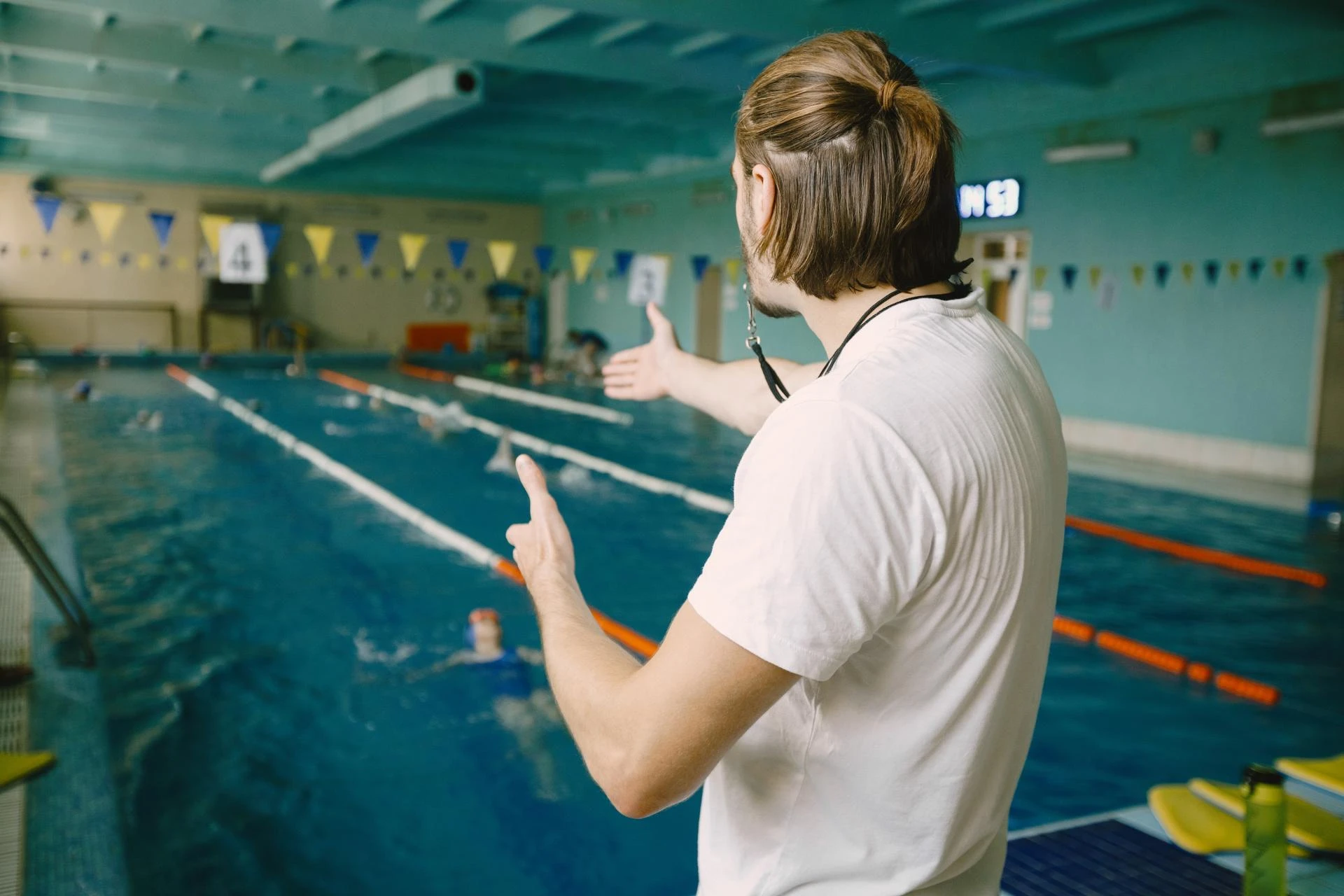

A well-run pool doesn’t happen by accident. Behind every clean deck and clear body of water is careful pool management: a system of safety checks, trained staff, and organized schedules that keep everything flowing smoothly. From local apartment pools to busy community centers, effective swimming pool management creates safe, enjoyable spaces for swimmers and peace of mind for facility owners.
Building a Strong Foundation
Every successful operation starts with a plan. Good pool management covers three main areas: safety, staffing, and service. Each part depends on the other. Without one, the whole system breaks down.
1. Safety means following all local and state regulations, testing water daily, and keeping rescue equipment ready.
2. Staffing ensures lifeguards, attendants, and maintenance teams are trained and appropriately scheduled.
3. Service includes the guest experience, which entails welcoming spaces, clear rules, and quick responses to problems.
When all three elements align, the result is a pool that runs reliably throughout the season.
The Role of Safety and Compliance
Safety is the cornerstone of any swimming pool management plan. Managers must know health codes, inspection requirements, and emergency procedures. Water chemistry should be tested multiple times per day. Equipment such as ladders, rails, and drains needs regular inspection. Lifeguards must be certified and confident in their rescue skills.
A single missed step, like skipping a chemical test, can lead to cloudy water or failed inspections. That’s why strong record-keeping matters. Most facilities now use electronic logs to track daily tests and incident reports. These systems help ensure compliance and protect both the operator and the property.
Staffing and Team Coordination
Managing people can be more complex than managing equipment. Lifeguards, pool attendants, and maintenance staff each have unique responsibilities. A skilled manager makes sure shifts overlap during busy hours and that everyone understands communication protocols.
For example, if a lifeguard spots a broken tile or a slick deck area, that report must go directly to maintenance. Clear communication chains prevent minor issues from becoming accidents. The best pool management teams train staff to treat each safety concern as urgent.
In addition to scheduling, managers should provide regular performance feedback. Quick check-ins at the start of each shift keep teams aligned and alert.
Service That Builds Trust
While safety is the top priority, guest experience is what people remember. Clean restrooms, organized seating, and friendly staff turn a basic pool into a community favorite. Good service also includes transparency. This means clearly posted rules, open communication about closures or weather, and prompt responses to questions.
Strong swimming pool management often includes cross-training, allowing attendants to help with check-ins or answer visitor questions while maintenance handles technical tasks. This teamwork keeps guests happy and operations efficient.
Technology and Efficiency
Modern pools benefit from simple but effective tools. Digital chemical monitors, online maintenance logs, and scheduling apps help reduce errors. Automated systems can alert managers to low chlorine levels or equipment failures before they become visible problems.
These tools don’t replace people; they support them. Managers who use technology wisely gain time for supervision, training, and guest relations. Efficiency also reduces costs over time, preventing emergency repairs or unplanned closures.
A Real-World Example
Imagine a large residential complex preparing for summer. The manager starts by reviewing certifications for all lifeguards and checks that emergency drills are scheduled. Maintenance replaces worn pump seals and tests the filtration system. Attendants clean the deck area and set up signage for pool hours and safety rules.
When the pool opens, operations run smoothly. Guests enjoy clean water, guards remain alert, and equipment functions without interruption. Behind the scenes, that success comes from planning and consistent oversight, which is the core of professional pool management.
Continuous Improvement
Even with solid systems in place, no operation is perfect. Smart managers review performance weekly and adapt. That might mean adjusting lifeguard rotations, increasing testing frequency during heat waves, or adding extra attendants on weekends. Continuous improvement keeps standards high and prevents complacency.
Regular feedback from staff and guests also highlights what’s working and what needs attention. Listening to both groups helps managers make informed adjustments instead of reacting only when issues arise.
The Big Picture
Running a pool isn’t only about clean water; it’s about building trust. Residents, parents, and guests rely on consistent safety and professionalism. When those standards are visible, people return season after season.
Strong swimming pool management blends compliance, leadership, and customer care into a single, organized system. Every well-maintained facility proves the same point: successful management doesn’t just happen; it’s planned, practiced, and maintained daily.






























Sign in to leave a comment.