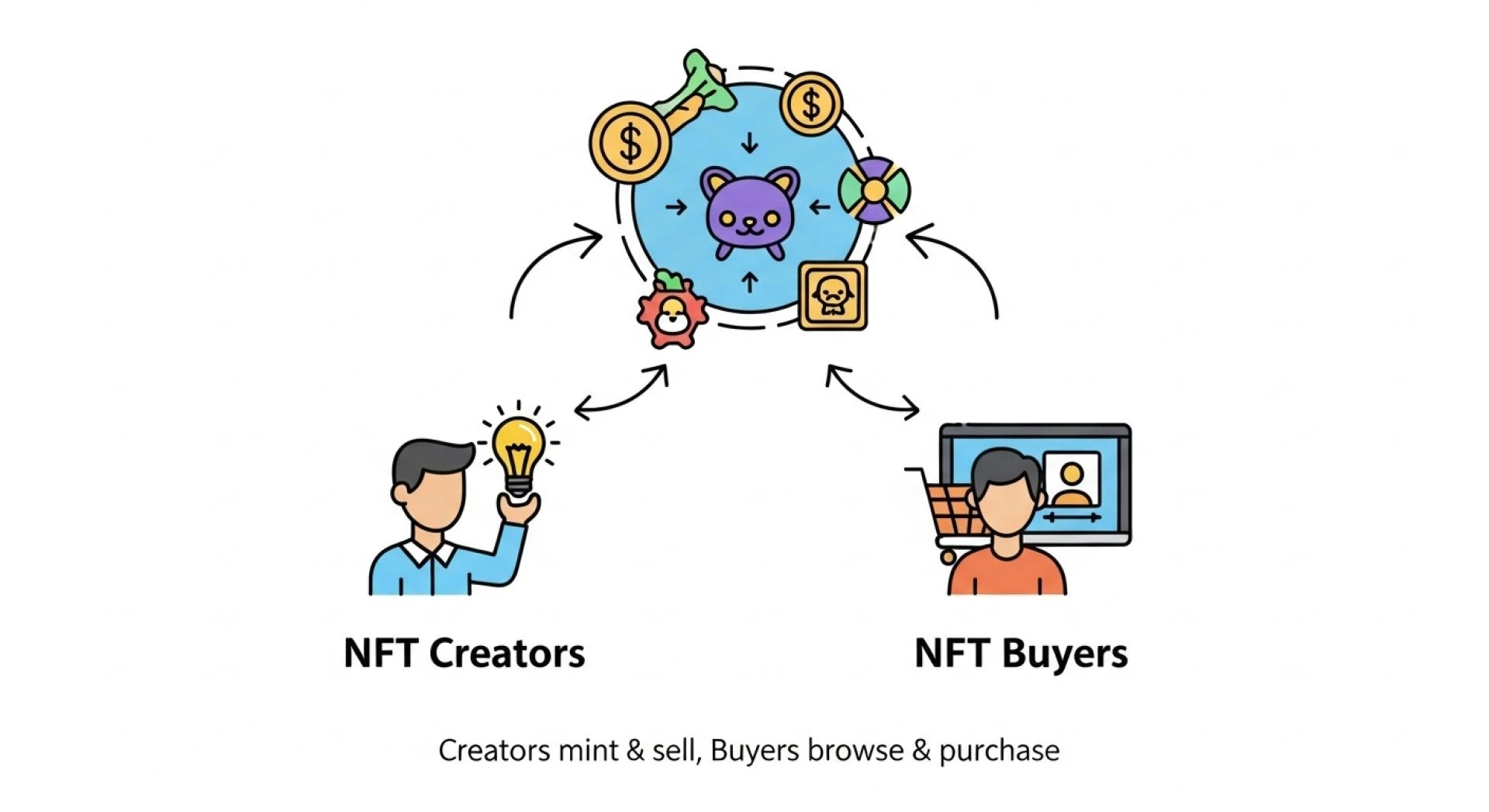

In recent years, Non-Fungible Tokens (NFTs) have revolutionized the way people perceive ownership in the digital world. NFTs allow artists, creators, and collectors to buy, sell, and trade unique digital assets on decentralized platforms. With billions of dollars in transactions and countless industries embracing blockchain technology, building an NFT marketplace has become one of the most promising business opportunities in the Web3 ecosystem.
If you’ve ever considered starting your own NFT platform but aren’t sure where to begin, this comprehensive guide will walk you through every essential step — from understanding NFT marketplaces to selecting the right development approach and launching your platform successfully.
What Is an NFT Marketplace?
An NFT marketplace is a decentralized platform that allows users to create (mint), buy, sell, and trade NFTs. These tokens represent ownership of unique digital assets such as art, collectibles, music, in-game items, or virtual real estate.
Each NFT marketplace runs on a blockchain network, ensuring that every transaction is transparent, secure, and verifiable. The blockchain also guarantees the authenticity and scarcity of digital assets, making NFTs valuable to both creators and investors.
Some of the most well-known NFT marketplaces include OpenSea, Rarible, Foundation, and Magic Eden. However, with the rapid growth of NFTs across multiple industries, there’s increasing demand for niche-specific marketplaces that cater to particular audiences — and this is where entrepreneurs can seize huge opportunities.
Why Launch Your Own NFT Marketplace?
Before diving into the technical aspects, it’s essential to understand why launching your own NFT marketplace can be so beneficial.
Here are some compelling reasons:
- Monetization Opportunities: You can earn revenue from transaction fees, listing fees, and royalties.
- Brand Control: A custom marketplace gives you complete control over your branding, user experience, and community.
- Industry Growth: The NFT market continues to expand, with new use cases emerging in gaming, music, real estate, and beyond.
- Decentralized Ownership: Users retain true ownership of their digital assets, building trust and long-term engagement.
- Scalability: A well-designed NFT marketplace can scale globally, serving millions of users and creators.
Whether you want to serve digital artists, game developers, or collectors, owning a marketplace allows you to participate directly in the NFT economy.
Steps to Launching Your Own NFT Marketplace
Launching a successful NFT marketplace requires a combination of strategic planning, technical development, and effective marketing. Below, we’ll explore the complete step-by-step process.
Step 1: Define Your Niche and Target Audience
The NFT space is vast, so defining your niche is crucial. You could focus on one of the following categories:
- Digital art and collectibles
- Gaming assets and virtual items
- Music and entertainment
- Sports memorabilia
- Virtual real estate
- Fashion and wearables
By focusing on a specific niche, you can tailor your features, marketing, and design to attract a particular audience. For example, a gaming NFT marketplace might focus on low gas fees and multi-chain support, while an art marketplace might prioritize high-quality visuals and royalty systems.
Step 2: Choose the Right Blockchain Network
Your choice of blockchain determines transaction costs, speed, and ecosystem compatibility. The most commonly used blockchains for NFT marketplaces are:
- Ethereum: The most popular and secure blockchain but with higher gas fees.
- Polygon: A layer-2 scaling solution for Ethereum offering faster and cheaper transactions.
- Binance Smart Chain (BSC): Known for low fees and high speed.
- Solana: Offers excellent scalability and low costs, popular for gaming and collectibles.
- Avalanche or Cardano: Emerging ecosystems with growing NFT support.
Choosing a blockchain depends on your budget, user base, and scalability requirements. Many modern white label NFT marketplace solutions support multiple blockchains, allowing you to offer cross-chain trading.
Step 3: Decide on the Development Approach
You have two main options when it comes to NFT marketplace development:
a) Building from Scratch
This approach gives you total control over the platform’s architecture, design, and functionality. However, it requires significant technical expertise in blockchain development, smart contracts, and cybersecurity. The cost and development time are also much higher.
b) Using a White Label NFT Marketplace Solution
A more efficient and cost-effective approach is to use a pre-built white label NFT marketplace software. This is a ready-to-deploy solution that can be customized to your branding and functionality needs. It includes all essential features such as minting, wallet integration, auctions, and royalties.
Partnering with a professional white label NFT marketplace development company allows you to launch your platform faster while minimizing technical complexity. Many startups and enterprises choose this route to save both time and resources.
Step 4: Integrate Core Features
A successful NFT marketplace requires a set of core features that enhance user experience and security. Here are the essential components:
1. User Profiles
Allow users to create accounts, manage NFTs, and view transaction history.
2. Wallet Integration
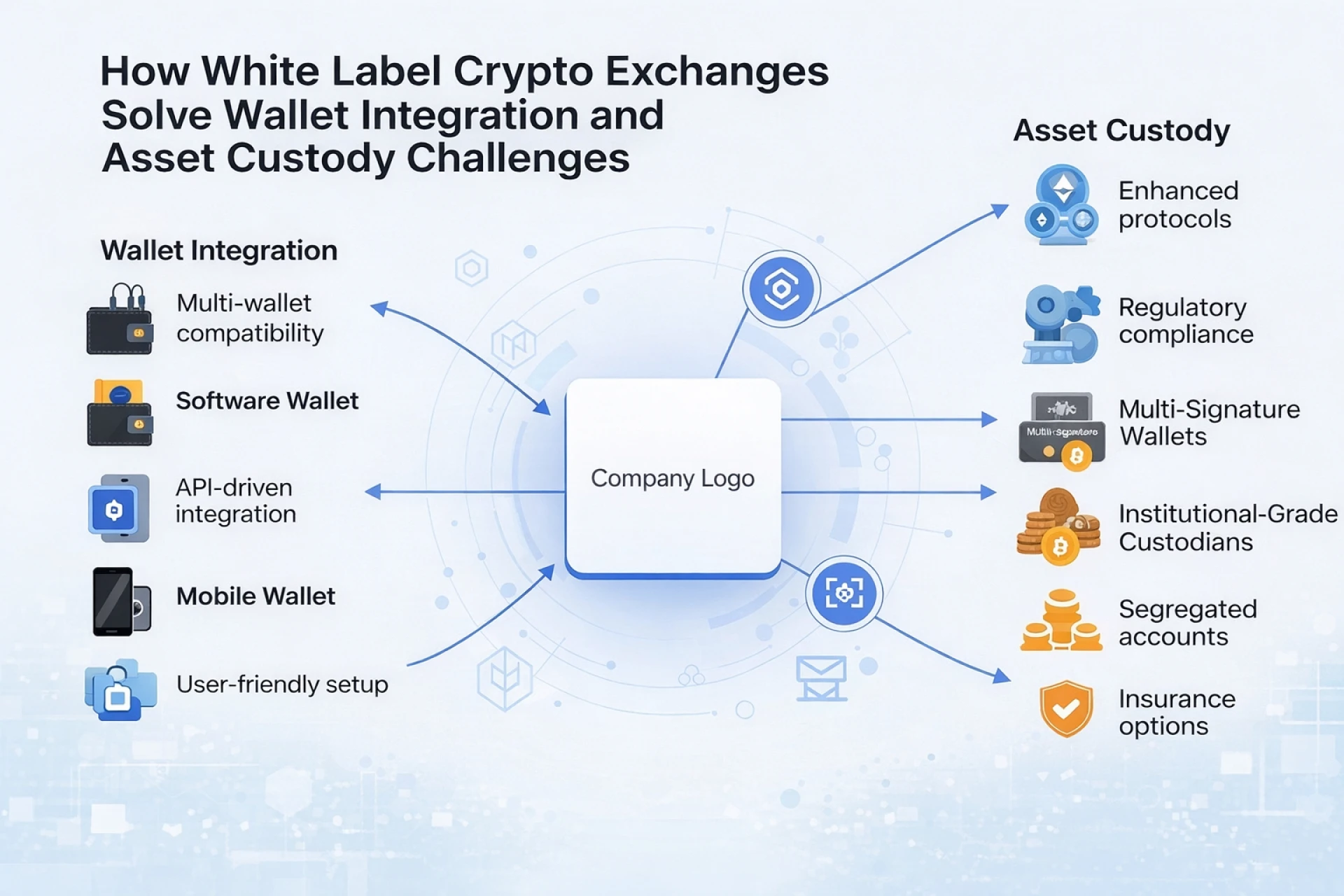
Enable users to connect wallets like MetaMask, WalletConnect, or Coinbase Wallet to store and trade NFTs securely.
3. Minting Module
Allow creators to easily mint NFTs by uploading files, adding metadata, and setting royalties.
4. Listing and Auction System
Sellers should be able to list NFTs for sale at fixed prices or through auctions.
5. Search and Filter Functionality
Provide filters for categories, price range, rarity, or creator for easy navigation.
6. Smart Contracts
Implement smart contracts for automated transactions, royalty distribution, and ownership transfers.
7. Multi-Chain Compatibility
Support multiple blockchain networks to enhance flexibility and reach.
8. Admin Dashboard
Give marketplace owners control over users, fees, and analytics.
A professional white label NFT marketplace development service can integrate these features seamlessly with scalability and security in mind.
Step 5: Design the User Interface (UI/UX)
User experience is key to any successful platform. A clean, intuitive, and visually appealing interface helps users navigate the marketplace effortlessly.
- Use a modern, minimalist layout
- Highlight trending NFTs and featured collections
- Ensure responsive design for all devices
- Incorporate smooth animations and high-quality visuals
If you use a white label NFT marketplace software, the base design can be customized to match your brand’s look and feel, ensuring a consistent identity.
Step 6: Implement Security and Compliance
Security is a non-negotiable aspect of NFT marketplace development. Since transactions involve digital assets and cryptocurrencies, even minor vulnerabilities can lead to significant losses.
Your platform should include:
- End-to-end data encryption
- DDoS protection
- KYC/AML verification (if required)
- Regular smart contract audits
- Multi-factor authentication
Working with a reputable white label NFT marketplace development company ensures that all these safeguards are implemented effectively.
Step 7: Test and Deploy the Marketplace
Before going live, rigorous testing is essential. Testing includes:
- Functionality Testing: Ensuring all features work correctly.
- Smart Contract Auditing: Verifying that contracts are bug-free and secure.
- Load Testing: Checking performance under heavy user traffic.
- Security Testing: Identifying and fixing vulnerabilities.
After successful testing, deploy your NFT marketplace on the chosen blockchain network and configure domain hosting, APIs, and payment gateways.
Step 8: Market and Promote Your NFT Marketplace
Launching your platform is just the beginning. To attract users, you need a well-planned marketing strategy. Some effective strategies include:
- Social Media Marketing: Promote on Twitter, Discord, and Telegram communities.
- Influencer Collaborations: Partner with NFT artists and crypto influencers.
- Content Marketing: Publish blogs, tutorials, and case studies about NFTs.
- SEO Optimization: Target keywords like white label NFT marketplace and NFT trading platform.
- Airdrops and Giveaways: Create hype around your marketplace launch.
Building an active community around your platform is crucial for long-term success.
The Role of White Label NFT Marketplace Development Companies
Choosing the right white label NFT marketplace development company is one of the most important decisions in your project. Such companies provide end-to-end white label NFT marketplace development services — from consulting and UI design to smart contract integration and post-launch support.
When selecting a partner, evaluate the following:
- Experience in blockchain and NFT development
- Ability to customize features and branding
- Security and compliance measures
- Multi-chain support capabilities
- Post-launch maintenance and scalability options
Partnering with a skilled team ensures a smoother development process, reduced risks, and faster deployment.
Benefits of Using a White Label NFT Marketplace Software
- Faster Time to Market: Launch your NFT platform in weeks instead of months.
- Reduced Costs: Avoid the expenses of full custom development.
- Full Customization: Personalize the marketplace to reflect your brand identity.
- Scalability: Support large user bases and high transaction volumes.
- Ongoing Support: Access technical assistance and regular updates.
These benefits make white label NFT marketplace solutions the preferred choice for startups and established enterprises alike.
Future Trends in NFT Marketplaces
The NFT market continues to evolve rapidly, and marketplaces are at the center of this growth. Here are some upcoming trends:
- Cross-Chain NFT Trading: Seamless transactions across multiple blockchains.
- AI-Powered Recommendations: Personalized NFT suggestions for users.
- Metaverse Integration: NFTs as functional assets within virtual worlds.
- Fractional Ownership: Allowing multiple investors to own a share of an NFT.
- Sustainability: Eco-friendly blockchains and energy-efficient minting.
Keeping up with these innovations ensures your marketplace remains competitive and future-ready.
Conclusion
Launching your own NFT marketplace is an exciting opportunity to participate in the digital ownership revolution. With the right strategy, blockchain network, and feature set, your platform can attract a thriving community of creators and collectors.
For entrepreneurs seeking a fast, secure, and scalable launch, partnering with a white label NFT marketplace development company offers the ideal path. A white label NFT marketplace software simplifies the technical process while allowing you to focus on branding and user engagement. By leveraging professional white label NFT marketplace development services, you can establish a powerful presence in the rapidly expanding NFT ecosystem.
Whether you’re building an art marketplace, a gaming hub, or a multi-chain NFT platform, this guide provides the foundation to get started. The NFT future is bright — and now is the perfect time to claim your place in it.



















Sign in to leave a comment.