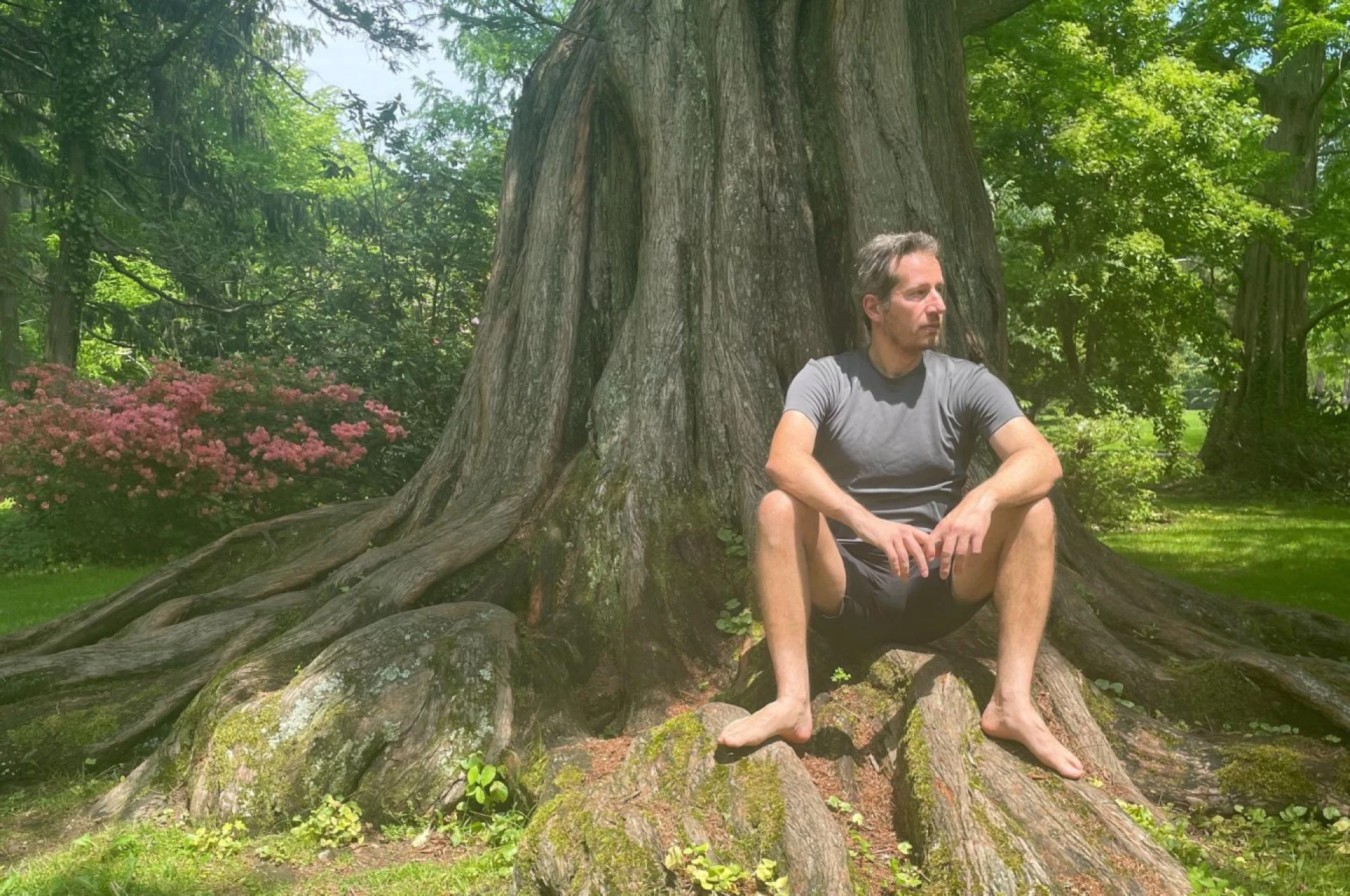

There’s a moment, just before dawn, when the world feels suspended between what was and what’s yet to be. The air is still. The mind is quiet. In that fragile silence, learning doesn’t come from books or theories — it comes from presence. From noticing how the light begins to shift and how we begin to change with it.

That, to me, is what experiential learning truly means — the kind of learning that touches not just the mind but the heart. It’s what transforms information into wisdom and effort into growth. As a former athlete turned Metamorphosis Coach, I’ve learned that emotional awareness isn’t something we study from afar. It’s something we live, stumble through, and slowly embody.
The Heart Behind Experiential Learning
In my years of working with individuals and teams, I’ve seen that transformation doesn’t come from understanding a concept — it comes from feeling it. That’s why experiential learning in coaching is so powerful. It bridges knowledge and emotion, giving people the space to feel what growth really requires.
When we experience a challenge firsthand — whether it’s missing a goal, facing rejection, or learning patience — we gain insight that no textbook can teach. Growth, at its core, is emotional before it’s intellectual. It’s about stepping into discomfort long enough to see what’s truly holding us back.
As a metamorphosis coach, I guide clients to explore their inner world through reflection, mindful action, and emotional honesty. Because when learning meets emotion, transformation begins.
“Real growth doesn’t happen when we finally understand; it happens when we finally feel.” — Vasilis Mazarakis
A Lesson from the Edge of the World
Years ago, I found myself on Réunion Island — a small, breathtaking piece of land floating in the Indian Ocean. I had gone there to compete, driven as always by the hunger to perform, to win, to prove. After several demanding matches, I lost in the semifinals. At first, the disappointment hit me hard. My identity was so tied to achievement that failure felt personal.
To clear my mind, I decided to hike toward Piton des Neiges, a massive volcano that loomed over the island like a quiet guardian. Along the way, I stumbled upon a small village tucked into the mountains. The people there lived simply, surrounded by laughter, children, and community. They didn’t have much — but they had enough.
One evening, sitting with a local family as the sun fell behind the cliffs, I realized something that changed how I viewed success forever. These people didn’t chase performance; they lived with presence. They didn’t accumulate; they connected.
That encounter reshaped my understanding of emotional growth and experiential learning. I saw how simplicity and emotional awareness can anchor us in what really matters — love, community, and purpose.
Why Emotion Matters in Learning
Emotion is the invisible current behind every choice we make. It’s what gives meaning to experience and turns mistakes into wisdom. Without emotional connection, learning becomes mechanical — progress without depth.
That’s why, in metamorphosis coaching, I help clients tune into their emotions instead of running from them. Whether it’s fear, doubt, or joy, every feeling has something to teach. Emotional awareness allows us to see our patterns clearly and respond instead of react.
Through this process, experiential learning becomes a journey of emotional intelligence — learning not just what to do, but how to be. (Explore more on emotional intelligence here.)
From Emotion to Action: Practical Solutions
Emotional growth is meaningful, but it also needs direction. Awareness without structure can leave us floating. That’s why I integrate experience-based learning with grounded practices like:
1. Reflective Journaling
Take ten minutes each day to notice what you felt, not just what you did. Write freely — no judgment. Reflection transforms experience into insight.
2. Body Awareness
Our bodies hold unspoken wisdom. Notice where you feel tension when you’re stressed or excitement when inspired. Awareness begins in the body before it reaches the mind.
3. Mindful Conversations
Practice listening without preparing a response. In coaching and in life, transformation happens when we truly hear — both ourselves and others.
4. Goal Setting with Emotion in Mind
When setting goals, don’t just ask what you want to achieve — ask why it matters emotionally. This deepens motivation and clarity.
Learn how emotional alignment connects to achievement through Goal Setting and Accountability.
5. Rest and Recovery
True growth happens in stillness. Give yourself permission to pause, breathe, and allow your lessons to settle.
“We evolve the moment we stop trying to fix ourselves and start learning from ourselves.” — Vasilis Mazarakis
Simplicity as Strength
That small mountain community on Réunion Island continues to live inside me. Their way of being taught me that strength isn’t loud. It’s quiet. It’s the kind of strength that doesn’t depend on outcomes but on connection — to self, to others, and to purpose.
As The Metamorphosis Coach, I’ve carried that lesson into my work: success is not about reaching higher peaks but about deepening the roots that hold you steady. When life becomes noisy, retreat to simplicity. That’s where emotional clarity begins.
The Invitation
If you’ve been striving, chasing, or endlessly learning yet still feel stuck, pause for a moment. Look back not at what you’ve achieved but at what you’ve felt. Every challenge, every loss, every breakthrough — that’s where your true education lives.
Allow your experiences to teach you what no classroom ever could. Let your emotions become guides rather than obstacles. Because the real journey of metamorphosis isn’t about becoming someone new — it’s about remembering who you already are.
FAQs
1. What is experiential learning in coaching?
Experiential learning in coaching focuses on learning through direct experience rather than theory. It helps you gain insight by reflecting on real-life actions and emotions, creating lasting transformation.
2. How does emotional intelligence support learning?
Emotional intelligence helps you understand and manage your emotions. It deepens self-awareness, improves relationships, and supports meaningful growth — essential parts of experiential learning.
3. What role does a metamorphosis coach play?
A metamorphosis coach guides you through personal transformation by combining science, self-reflection, and emotional awareness. The goal is not just change but conscious evolution.
4. How can I start applying experiential learning in my life?
Begin by observing your daily experiences with curiosity. Reflect on what challenges are teaching you emotionally. That awareness becomes the foundation for growth.
5. What’s the first step toward lasting change?
Start with small, consistent actions rooted in self-awareness. Combine reflection, emotional honesty, and structured goals. Over time, those small steps lead to profound transformation.
Written by Vasilis Mazarakis – The Metamorphosis Coach
Helping you connect emotion, experience, and purpose to create real, lasting change.




























Sign in to leave a comment.