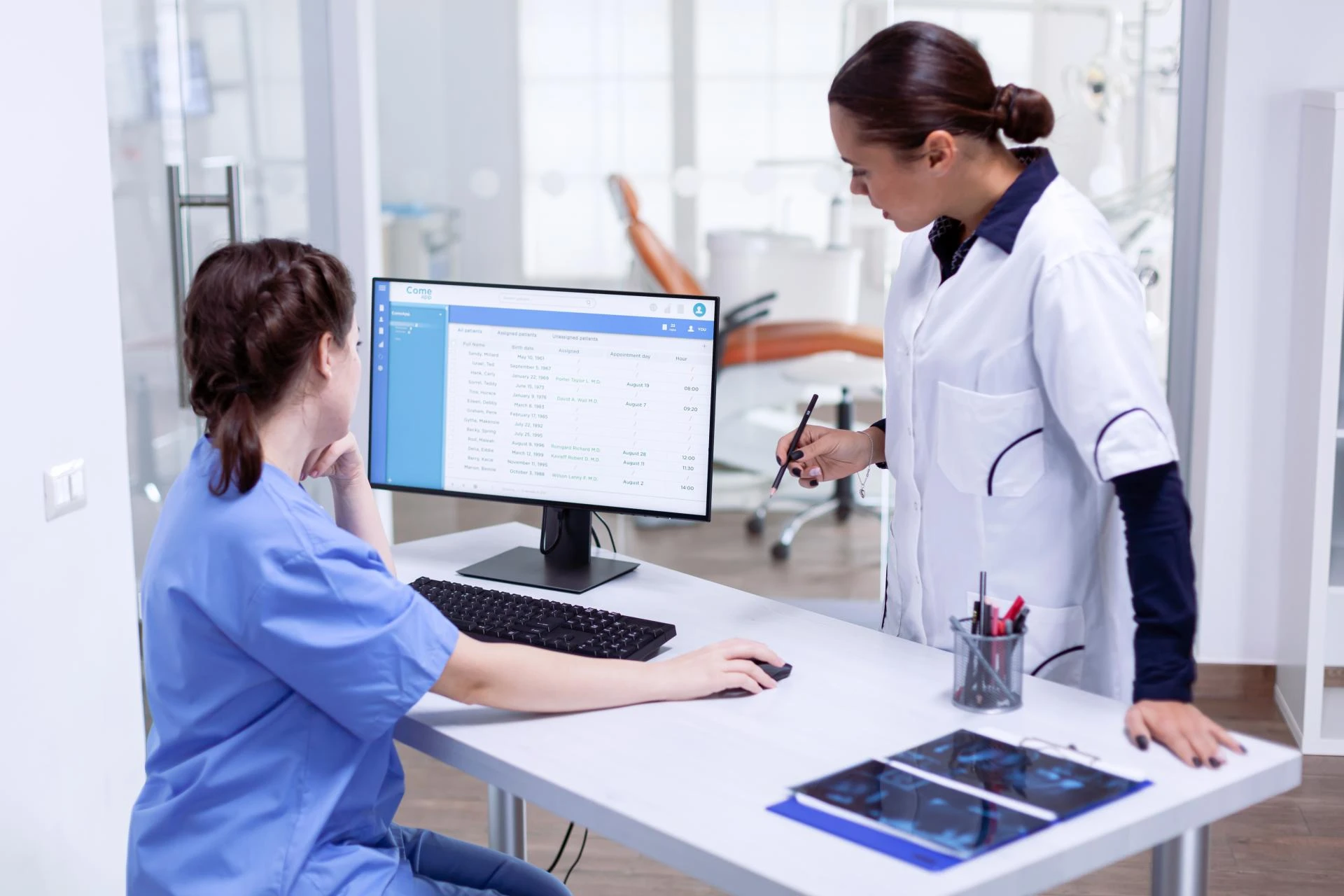

In today’s rapidly evolving healthcare landscape, accurate and efficient vital sign documentation plays a critical role in patient safety and quality care. Hospitals, clinics, and senior living facilities are under increasing pressure to reduce errors, improve workflows, and enhance patient engagement. Advances in automation and contactless health monitoring are transforming how vital signs are captured, documented, and used to support better clinical outcomes.
Importance of Accurate Vital Sign Documentation
Vital signs such as heart rate, blood pressure, temperature, and respiratory rate provide essential insights into a patient’s overall health. Accurate documentation enables healthcare providers to identify changes in condition early, make informed treatment decisions, and deliver timely interventions. Manual documentation methods can lead to inconsistencies, delays, and errors that negatively impact patient care. Automated vital sign documentation tools help ensure data is precise, standardized, and immediately available across care teams, improving both safety and efficiency.
Role of Automation in Modern Healthcare
Automation has become a foundational element in modern healthcare operations. Automated vital sign documentation systems capture data directly from monitoring devices and record it into electronic health records without manual entry. This process reduces human error, eliminates duplicate documentation, and ensures consistency across patient records. Automation also saves valuable time for healthcare professionals, allowing them to focus more on patient interaction and clinical decision-making rather than administrative tasks.
Contactless Health Monitoring Advancements
Contactless health monitoring represents a major advancement in how vital signs are collected. Using non-invasive sensors and advanced imaging technology, these systems allow vital signs to be measured without physical contact. This approach enhances patient comfort and significantly reduces infection risks, which is especially important in hospitals and senior living environments. Continuous monitoring capabilities provide a comprehensive view of patient health trends, enabling proactive care and early detection of potential issues.
Reducing Documentation Errors Through Technology
Documentation errors remain a major challenge in healthcare, often resulting from manual entry, inconsistent processes, or incomplete records. Advanced vital sign documentation tools address these issues by standardizing data capture and maintaining real-time accuracy. Automated alerts notify care teams of abnormal readings immediately, enabling faster response times. Built-in audit trails provide transparency and accountability, supporting compliance with healthcare regulations and improving overall data integrity.
Enhancing Patient Engagement with Digital Tools
Technology-driven documentation tools also improve patient engagement by giving individuals greater visibility into their own health data. When patients can access their vital signs through digital portals or self-service kiosks, they become more involved in their care. Educational prompts, reminders, and personalized communication further encourage adherence to treatment plans. Increased engagement leads to better outcomes, stronger provider-patient relationships, and higher satisfaction levels.
Future Trends in Vital Sign Documentation
The future of vital sign documentation is closely tied to emerging technologies. Artificial intelligence is expected to play a larger role by analyzing data patterns and predicting potential health risks before symptoms escalate. Wearable devices will continue to expand remote monitoring capabilities, providing real-time data outside clinical settings. Integration with telehealth platforms will enable seamless virtual care, allowing providers to monitor patients effectively regardless of location.
Conclusion
Automated and contactless vital sign documentation is redefining how healthcare organizations manage patient data. By improving accuracy, reducing errors, and increasing efficiency, these technologies support safer and more effective care delivery. As healthcare continues to evolve, providers that adopt advanced documentation solutions will be better equipped to meet growing demands while enhancing patient outcomes and operational performance. Embracing these innovations is no longer optional but essential for the future of patient-centered healthcare.



























Sign in to leave a comment.