
When it comes to designing successful products, services, or experiences, prototyping is an absolutely essential step that no designer should skip. Prototyping allows you to explore ideas, test assumptions, and validate concepts before investing significant time and resources into development. It's a crucial part of the iterative design process that helps designers create better solutions that truly meet user needs.
At its core, a prototype is a preliminary model of a product or service that allows you to communicate ideas, explore alternatives, and test functionality. Prototypes can range from rough sketches on paper to fully-interactive digital prototypes depending on the fidelity needed. The key is that prototypes are meant to be low-cost, disposable artifacts created solely for the purpose of learning and refinement early in the design process.
The Value of Prototyping
There are numerous benefits that prototyping brings to the design process:
1. Facilitating Communication
Prototypes act as a common language that allows designers to clearly communicate ideas to stakeholders, developers, and other members of the project team. Rather than trying to explain a complex concept verbally or in writing, a tangible prototype makes it easier for everyone to understand and provide feedback.
2. Exploring Alternatives Ideas
Prototyping enables designers to rapidly explore multiple design alternatives without having to fully commit to any single direction. You can create prototypes representing different concepts, interactions, or visual designs and use them to evaluate the strengths and weaknesses of each approach.
3. Uncovering Design Flaws Early
One of the biggest advantages of prototyping is that it allows you to identify potential usability issues, functional gaps, or fundamental flaws in the early stages before investing too much time and money. Catching these problems early makes them much easier and less costly to address.
4. Testing With Users
Prototypes are incredibly valuable for user testing and validation. You can put low-fidelity prototypes in front of real users and get feedback on aspects like logical flow, terminology, layout, and so on. This real-world input is critical for creating user-centered designs that genuinely resonate.
5. Selling Ideas
Polished prototypes can be powerful tools for pitching ideas and gaining buy-in from stakeholders. Being able to demonstrate an interactive prototype that simulates the real experience helps people grasp the full concept and gets them excited about moving forward.
6. Accelerating The Process
While it requires an upfront investment, prototyping can actually accelerate the overall design process by front-loading activities like gathering feedback, making revisions, and validating assumptions. This helps the team progress with more confidence and less rework down the line.
When to Prototype
Prototyping should be an integral part of any design process, but the fidelity and approach will vary throughout the different project phases:
Early Exploratory Stage
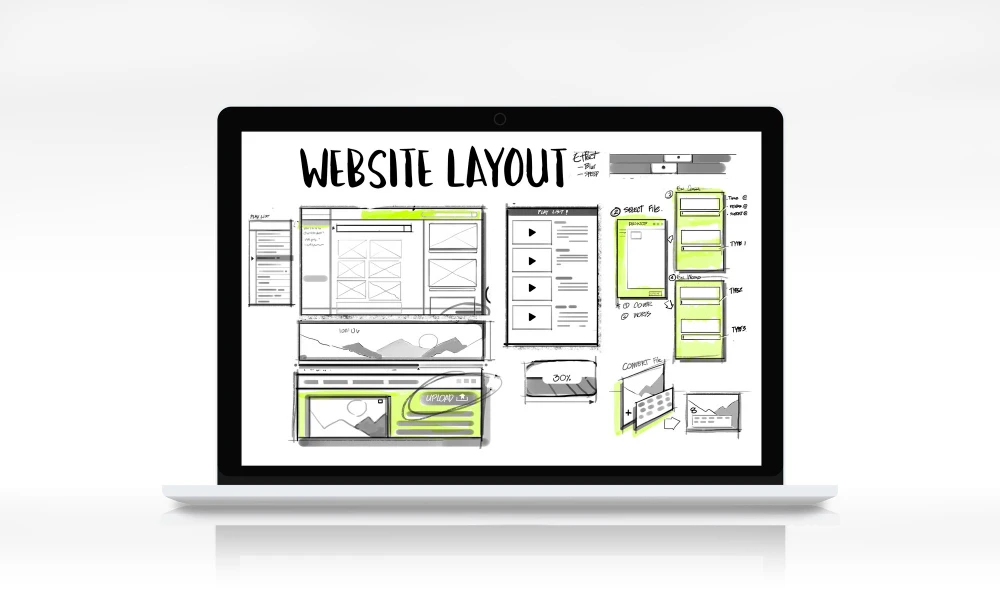
In the early conceptualization phase, designers tend to use low-fidelity prototyping techniques like paper sketches, storyboards, or wireframe outlines. These quick and dirty prototypes are meant to be disposable artifacts for facilitating team ideation and exploring radical new concepts.
Mid-Stage Design Refinement
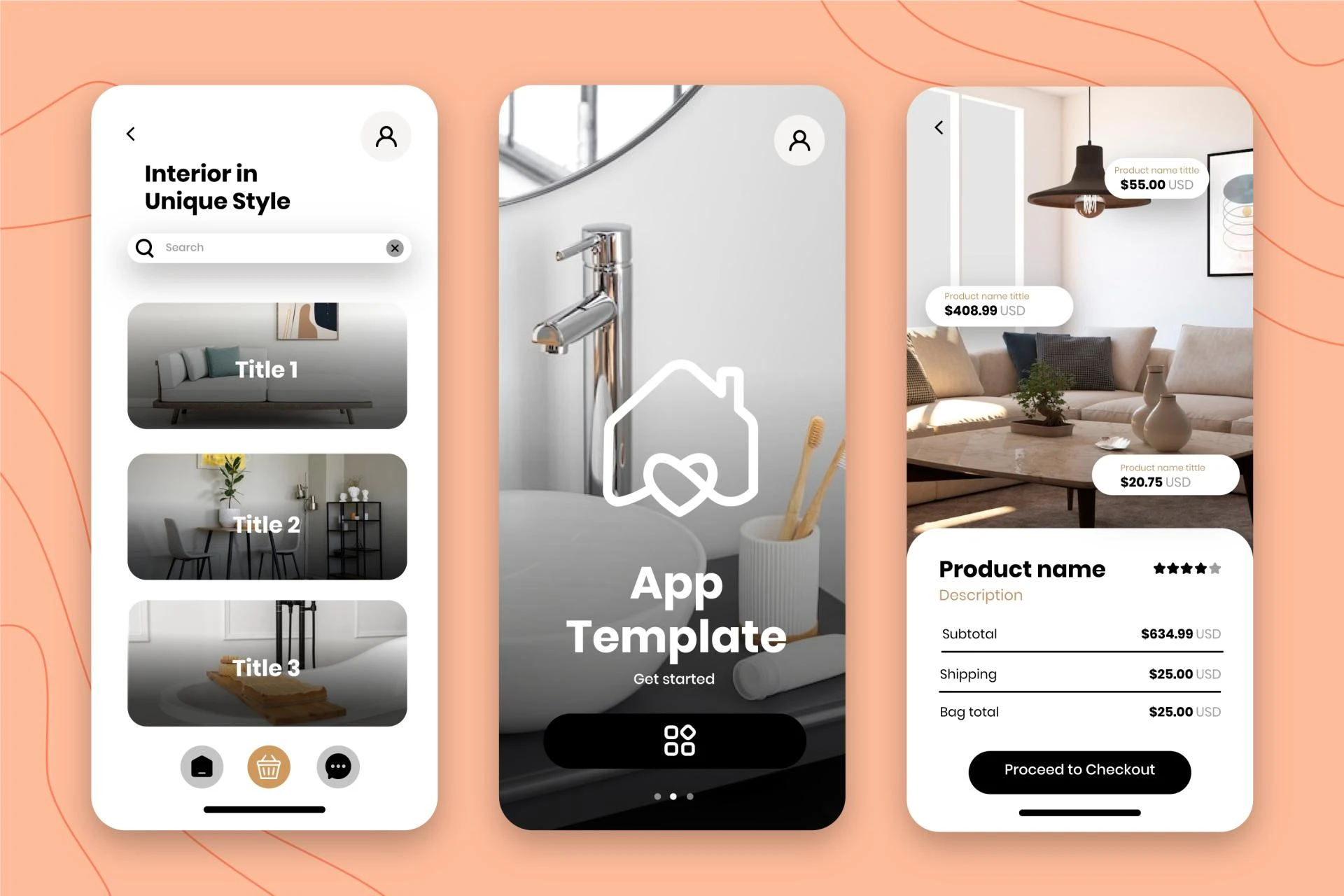
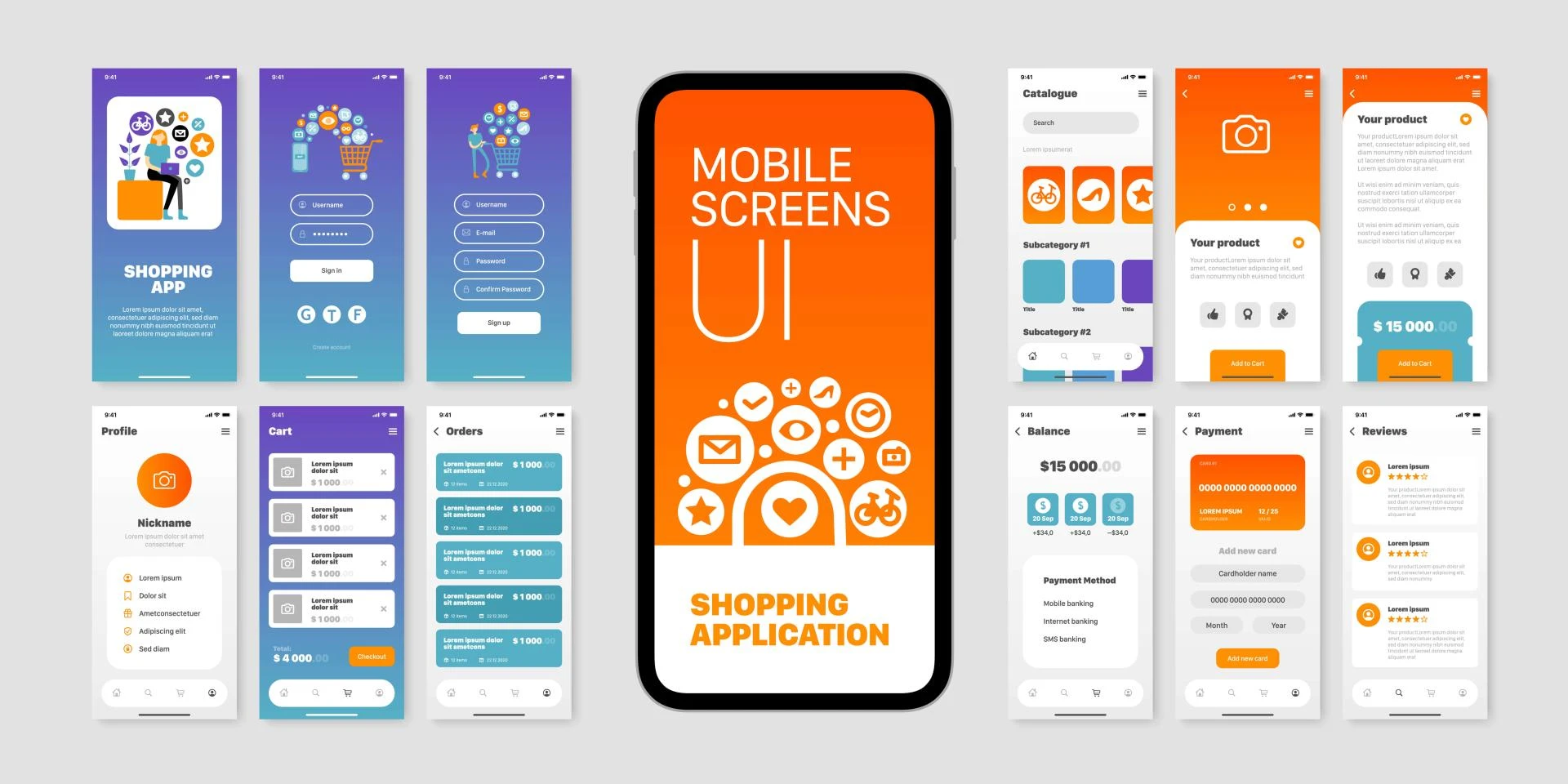
As the design starts taking shape, designers often move to medium-fidelity digital prototypes using tools like Figma, Adobe XD, or InVision. These click-through prototypes add more real-world depth in terms of visuals, interactions, and even simulated functionality to validate design directions.
Late-Stage User Testing
Towards the end of the design process, designers may create high-fidelity prototypes that are nearly production-ready. These robust prototypes incorporate refined visuals, final content, and accurate functionality to rigorously test the complete user experience before implementation.
Not Just for Digital
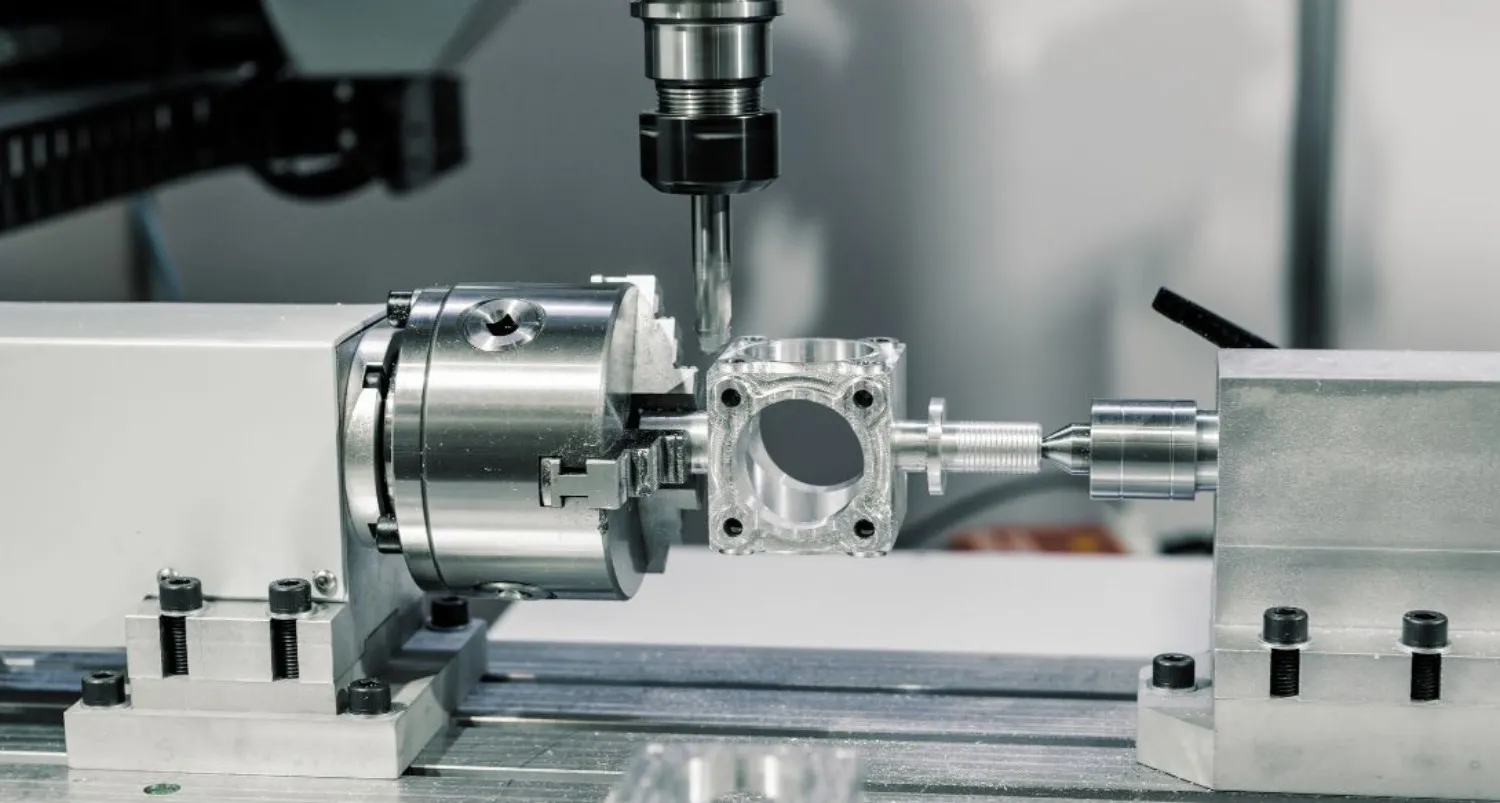
It's important to note that while prototyping is a crucial part of designing digital products like websites and apps, the concept applies to all design disciplines. Industrial designers use low and high-fidelity prototypes to test physical products. Service designers use prototypes to model new operational processes or service experiences. Even architects create prototypes and models when designing buildings and spaces.
Fostering a Prototyping Culture
While the value of prototyping is clear, many organizations still struggle to fully embrace this vital step. This is often due to perceived time and budget constraints or ingrained waterfall mindsets. Leaders need to foster a culture that encourages experimentation, learns from failures, and values the long-term benefits of an iterative, prototype-driven process over upfront perfection.
For designers, getting comfortable with prototyping means adopting a mindset of never getting too emotionally invested in any single solution. Prototypes are meant to be malleable, revised, and even discarded based on real user feedback and validation. Prototyping forces designers to keep an open mind and remain humble to outside perspectives.
Prototyping is the life blood of an effective, user-centered design process. By iterating through multiple prototype cycles, designers can catch issues early, explore different solution possibilities, and ultimately create resonant user experiences that delight customers and achieve business goals. While it requires an upfront investment, the value prototyping provides in terms of quality, time savings, and risk reduction makes it an absolutely essential best practice.
Conclusion
In conclusion, prototyping is a powerful tool that enables designers to validate their ideas, identify potential issues, and refine their designs before committing significant resources to the final product development. It promotes effective communication, user testing, iterative refinement, cost and time savings, and innovation. By integrating prototyping into the design process, organizations can increase the chances of delivering successful, user-centric products and services that resonate with their target audience.
Visit my upwork project catalog : Elementor Developer




















Sign in to leave a comment.