
Introduction
In today's digital age, the success of a product often hinges on its user interface (UI) and user experience (UX) design. These two aspects play a crucial role in determining how users interact with a product or service, making them essential components of any digital strategy. This article explores the power of UI/UX design in transforming user experiences, from its definition to its impact and future trends.
What is UI/UX Design?
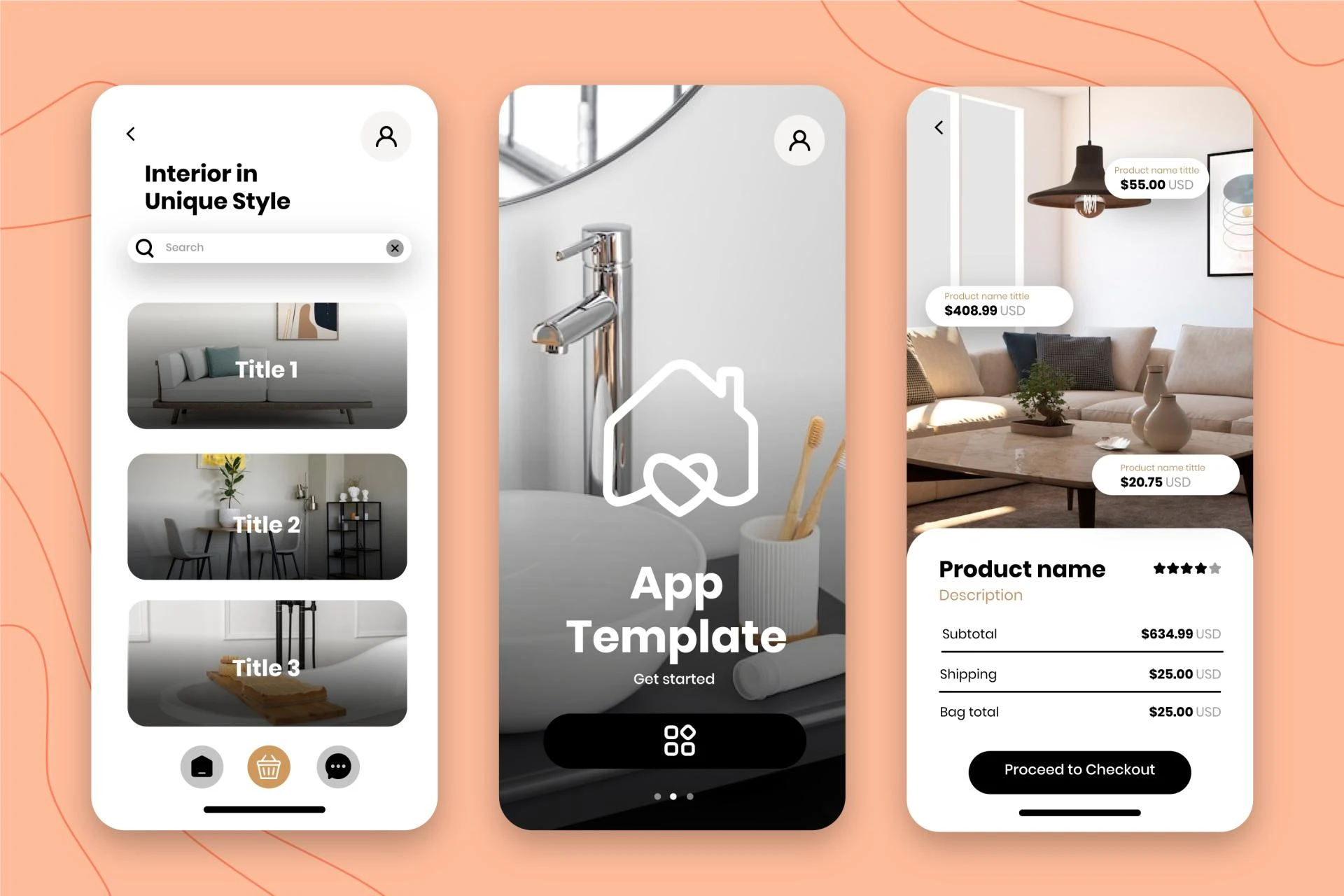
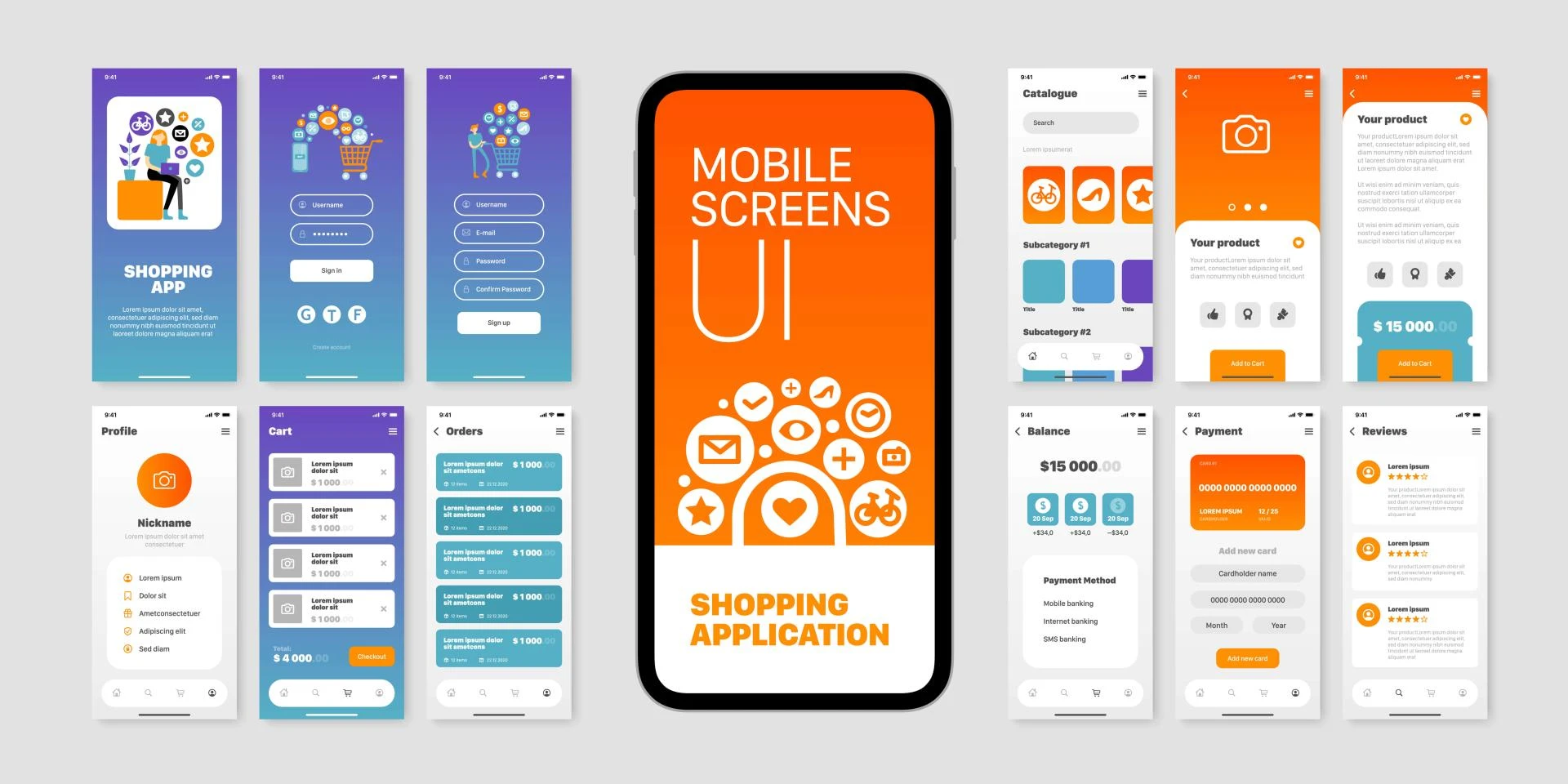
UI/UX design refers to the process of creating digital interfaces that are visually appealing, easy to use, and provide a seamless experience for the user. It encompasses a range of disciplines, including graphic design, psychology, and usability testing, to ensure that the end product meets the needs and expectations of its users.
Importance of UI/UX Design
UI/UX design is crucial for several reasons. Firstly, it helps create a positive first impression, which can significantly impact how users perceive a brand or product. A well-designed interface can also improve usability, making it easier for users to navigate and interact with a product. Additionally, good UI/UX design can lead to higher user engagement and retention rates, as users are more likely to continue using a product that offers a satisfying experience.
Elements of UI/UX Design
UI/UX design is comprised of several key elements, including:
Visual Design: This includes the use of color, typography, and imagery to create a visually appealing interface.Information Architecture: This involves organizing and structuring content in a way that is easy for users to understand and navigate.Interaction Design: This focuses on how users interact with a product, including the use of buttons, menus, and other interactive elements.Usability: This refers to how easy and intuitive a product is to use, taking into account factors such as accessibility and user preferences.The Process of UI/UX Design
The process of UI/UX design typically involves several stages, including:
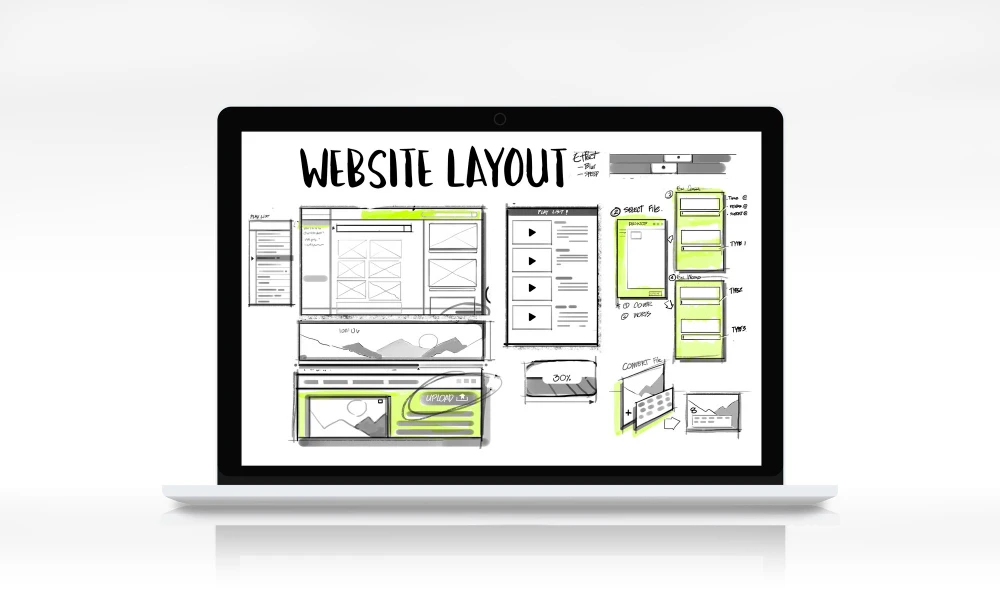
Research: This involves understanding the needs and preferences of the target audience through surveys, interviews, and usability testing.Wireframing: This involves creating a basic outline of the interface to determine the layout and placement of elements.Prototyping: This involves creating a more detailed version of the interface to test its functionality and usability.Testing: This involves gathering feedback from users to identify any issues or areas for improvement.Iteration: This involves making changes to the design based on user feedback, with the goal of creating a final product that meets the needs of its users.Best Practices
Some best practices for UI/UX design include:
Keeping the interface simple and intuitive.Providing clear and concise instructions.Using consistent design elements throughout the interface.Testing the interface with real users to identify any usability issues.Iterating on the design based on user feedback to improve the overall experience.UI/UX Design Trends
Some current trends in UI/UX design include:
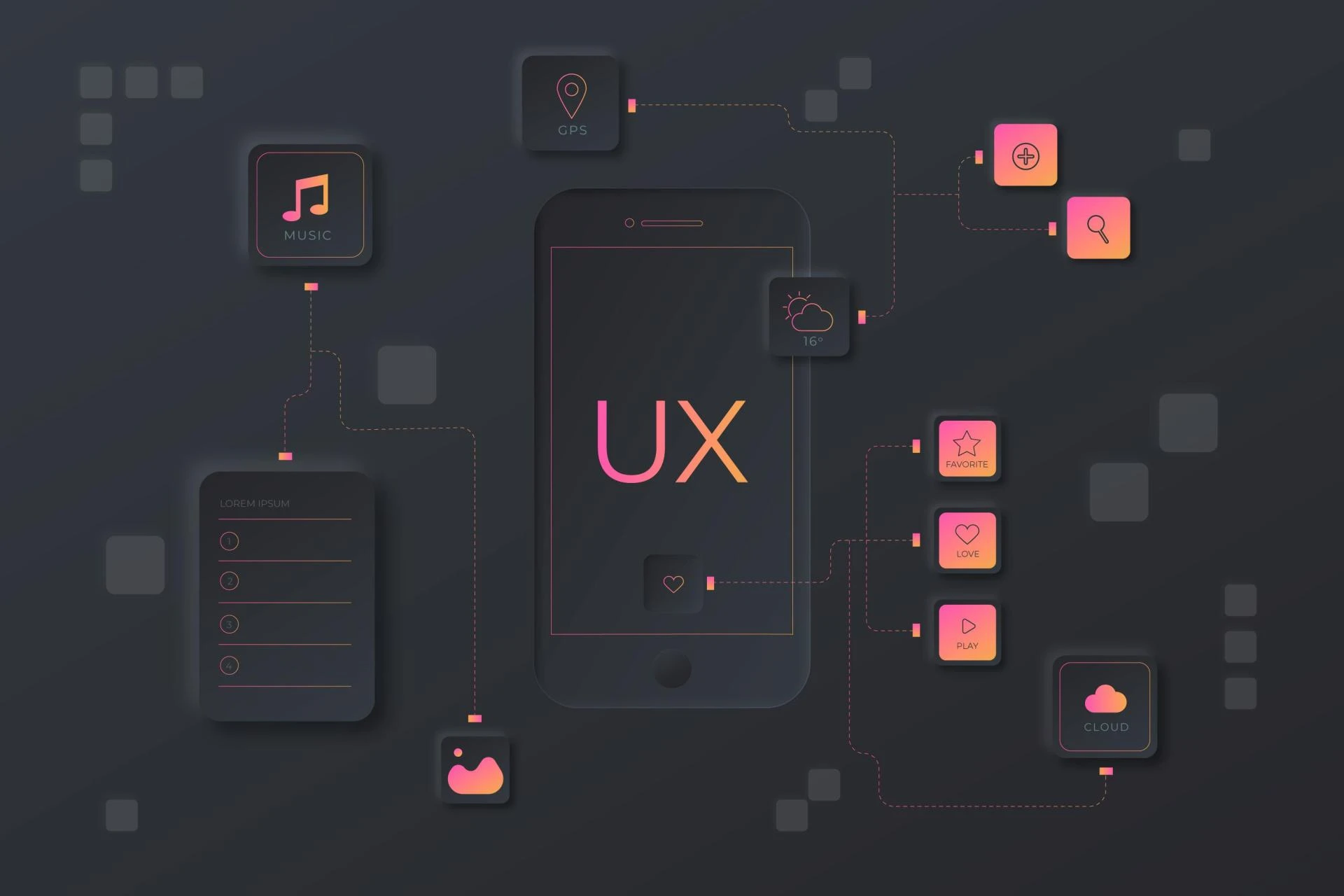
Dark mode: This trend involves using dark colors for the interface, which can reduce eye strain and improve battery life on devices with OLED screens.Minimalism: This trend involves using simple and clean design elements to create a clutter-free interface.Microinteractions: This trend involves using small animations or visual cues to provide feedback to users when they interact with the interface.Voice user interface (VUI): This trend involves using voice commands to interact with a product, which can be particularly useful for hands-free devices.Impact of UI/UX Design
The impact of UI/UX design extends beyond just improving user satisfaction. It can also lead to increased conversions, as users are more likely to make a purchase or sign up for a service if they have a positive experience. Additionally, good UI/UX design can help differentiate a product from its competitors, leading to increased brand loyalty and recognition.
Future of UI/UX Design
The future of UI/UX design is likely to be shaped by emerging technologies such as augmented reality (AR) and virtual reality (VR). These technologies have the potential to completely transform how users interact with digital interfaces, creating new opportunities for designers to innovate and create immersive experiences.
Conclusion
In conclusion, UI/UX design plays a crucial role in transforming user experiences. By focusing on elements such as visual design, usability, and interaction design, designers can create interfaces that are not only visually appealing but also intuitive and engaging. As technology continues to evolve, the future of UI/UX design looks promising, with new opportunities for innovation and creativity.
My Fiver link for : Figma Landing Page Design Service

























Sign in to leave a comment.