When Solar Performance Drops Without Warning
A solar plant can look perfect on paper. High efficiency panels. Branded inverters. Professional installation. Everything aligned for 25 years of clean energy generation.
Yet after a few years, performance begins to dip. Output fluctuates. Maintenance costs slowly rise. No visible damage to panels. No major inverter fault.
So what changed?
In many cases, the issue lies in the wiring that connects the entire system. The cables that carry DC power from the panel to the inverter operate under constant heat, UV exposure and electrical stress. When they degrade, the system suffers silently.
As of early 2026, global solar capacity has crossed 2.2 terawatts according to the International Energy Agency. Solar is no longer an emerging technology. It is infrastructure. With renewables now generating more than 30% of global electricity and expected to overtake coal by mid 2026, reliability is under sharper scrutiny than ever before.
This is where understanding solar cable importance becomes critical. Cables are not secondary components. They are central to performance, safety and long term returns.
Solar Cables Are the Backbone of Every Installation
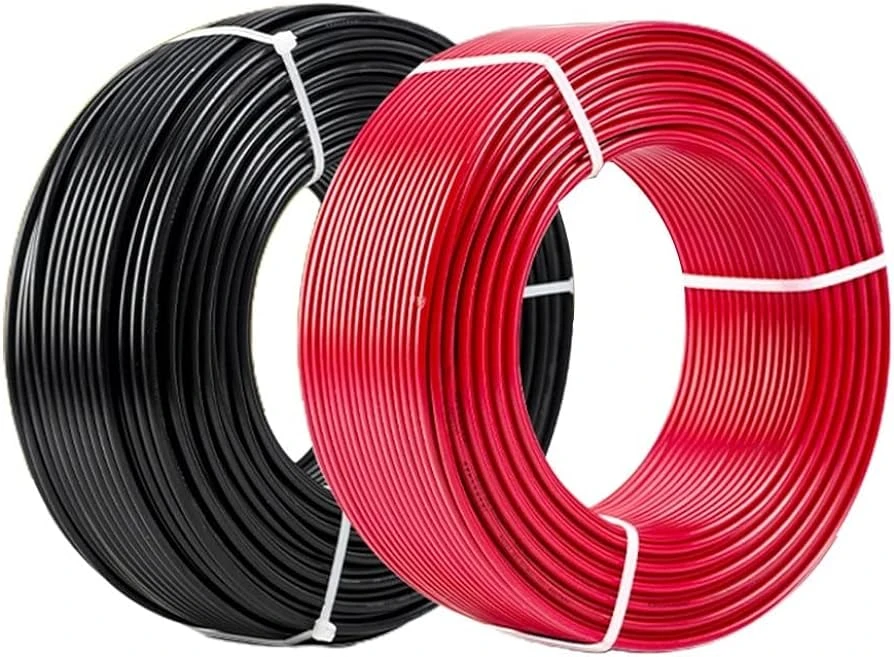
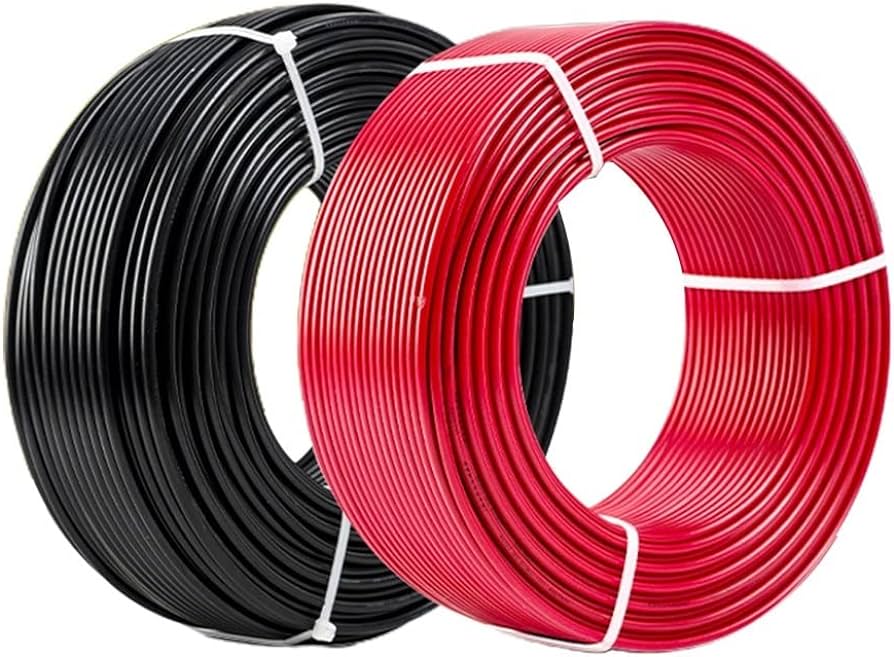
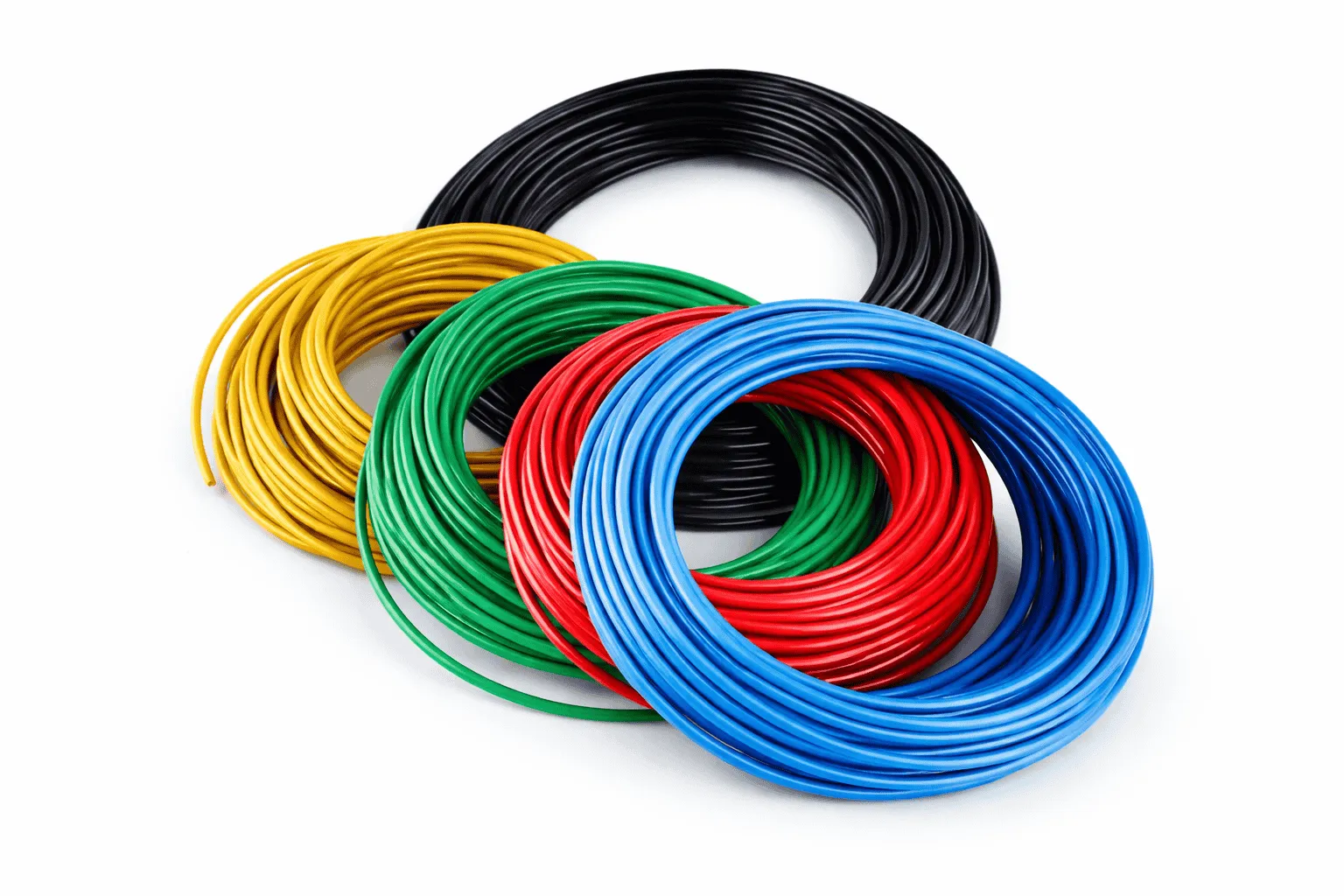
A solar system is only as strong as the connections between its components. The solar power cable is responsible for transmitting DC electricity from panels to combiner boxes and inverters without interruption.
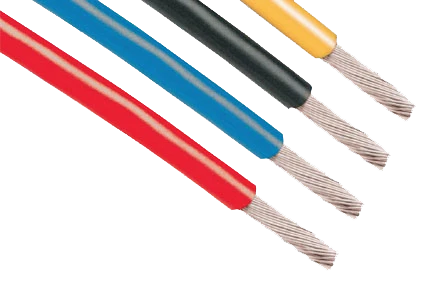
Unlike conventional building wires, a PV cable wire is engineered for outdoor exposure. It must withstand ultraviolet radiation, ozone, humidity and extreme temperature variations. It must resist cracking, maintain insulation integrity and carry current efficiently for decades.
Solar panels typically operate 20 to 40℃ above ambient temperature. On a day of 30℃, panel surfaces can easily reach 65 to 70℃, according to data from NREL. That heat directly affects the wiring beneath and around the modules.
If insulation is not UV-stabilised or temperature-rated properly, it begins to degrade. First, tiny cracks appear. Then water can seep inside. When that happens, the cable does not carry electricity as smoothly. Resistance goes up, and the system starts losing performance.
When we talk about reliable solar wiring, we mean wiring that can stay strong even in harsh weather for many years. It is not just about connecting panels to inverters. It is about making sure those connections stay safe and stable for 25 to 30 years.
And this timeline is of importance.
Industry standard panel warranties now extend from 25 to 30 years. Most manufacturers guarantee at least 80 to 85% of the original output at the end of this period. Some premium brands have pushed warranties to even 40 years.
If panels are designed to last three decades, should the cables supporting them last only five or ten?
This is the first reflection point for any project developer or procurement manager.
Efficiency Is Not Just About Panels
When performance drops, attention often turns to panel efficiency ratings. Yet energy loss can occur long before electricity reaches the inverter.
Voltage drop in DC circuits plays a significant role. IEC and NEC guidelines recommend keeping the voltage drop between 1 and 3%, while designing below 2% is considered best practice.
Why is this so important?
Higher resistance in conductors leads to greater energy loss. Over time, even small losses compound. In large installations, this translates into measurable revenue impact.
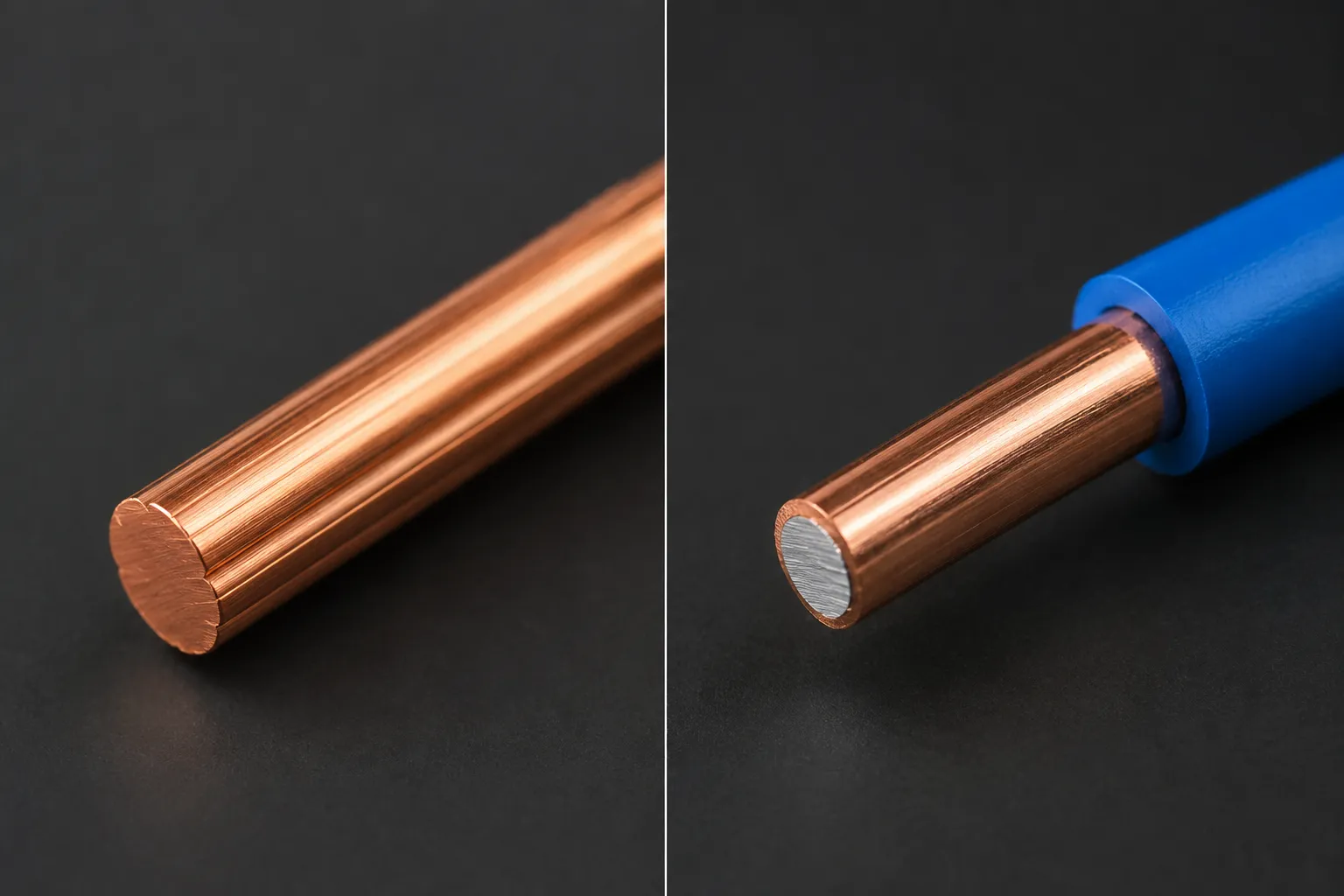
A high quality solar power cable made from high purity copper reduces resistance. Correct conductor sizing minimises voltage drop across long distances. Proper insulation prevents leakage and overheating.
Imagine a 1 MW rooftop system. If wiring design results in a higher than recommended voltage drop, annual energy yield decreases. The loss may appear small month to month. Over 20 years, the cumulative impact becomes substantial.
This is why solar cable importance extends beyond compliance. It directly affects financial returns.
As solar module prices dropped nearly 50% between 2023 and 2024, according to IRENA, Balance of System components now account for 60 to 70% or more of total project cost. Cabling forms a significant portion of that structure.
When modules become more affordable, the quality of supporting infrastructure becomes even more critical.
Efficiency, therefore, is not only about what panels generate. It is about how effectively every meter of PV cable wire carries that energy forward.
Safety and Compliance Cannot Be Compromised
Solar systems operate under a constant DC load. Unlike AC circuits, DC faults can sustain arcs if connections are loose or components are substandard.
TUV Rheinland studies confirm that serious fire incidents in PV systems are rare, approximately 0.006% of installations. However, when incidents occur, improper installation, DC arc faults and low quality components are among the leading causes.
Loose connectors and degraded insulation can create hot spots. Over time, these can escalate into safety risks.
High quality PV cable wire is designed with flame retardant, halogen free insulation. It maintains structural integrity under heat and resists ignition spread.
For industrial and commercial projects, compliance is not optional. Insurance audits, third party inspections and regulatory reviews increasingly evaluate component certifications.
A certified solar power cable aligned with IEC standards provides assurance that the system meets international benchmarks.
Ask yourself, if a project is meant to operate for 25 years, is it wise to compromise on a component that continuously carries an electrical load?
Safety reinforces the engineering logic behind reliable solar wiring. It protects not only assets, but also people and reputation.
Heat, UV and Time Test Every Installation
Solar systems are always out in the open. Rooftop panels sit under direct sunlight for many hours every day. Large solar plants are built in open land, often in very hot areas.
Because of this, panels get very hot. They heat up during the day and cool down at night. This constant heating and cooling affects the cables, too. They flex and settle.
Strong sunlight, especially UV rays, can slowly damage cable insulation if it is not made for outdoor use. Changing temperatures put stress on the material. Even small animals like rodents can damage exposed wires.
According to NREL, solar panels can reach temperatures of 65 to 70℃. The cables placed under and around these panels must be able to handle this heat safely.
Cross-linked polyethene insulation, often used in premium solar power cable products, provides high thermal endurance and UV resistance. It ensures that insulation does not become brittle prematurely.
Consider two installations.
One uses generic wires not specifically designed for solar exposure. Within a few years, outer jackets crack. Maintenance teams begin replacing sections.
The other uses tested and certified reliable solar wiring rated for long term outdoor performance. Ten years later, insulation remains intact. No unexpected downtime.
Durability is not a visible feature on installation day. It becomes visible years later.
And in an industry where cumulative global capacity has already crossed 2.2 terawatts, long term performance defines credibility.
Choosing the Right Solar Cable Is a Strategic Decision
Procurement decisions in solar projects usually revolve around modules and inverters. Cables are often treated as standard components, listed as simple line items in the bill of materials.
However, with panel warranties now extending 25 to 30 years and Balance of System costs forming a larger share of total project investment, cable selection cannot remain secondary. It deserves the same technical evaluation as any major component.
When evaluating a PV cable wire, consider the following.
- Conductor purity, because higher copper quality ensures lower resistance.
- Temperature rating, to match real-world operating conditions.
- UV and ozone resistance, for outdoor longevity.
- Certification compliance, including IEC standards.
- Voltage rating appropriate for system design.
These factors collectively determine the long term performance of the installation.
In a 25-year project horizon, the initial cost difference between low grade and high grade cables becomes marginal compared to potential maintenance and energy losses.
This is where understanding solar cable importance shifts from technical awareness to strategic foresight.
Solar energy is scaling rapidly. The IEA projects that solar PV will account for roughly 80% of all renewable capacity additions globally through 2030. As installations grow, the scrutiny of reliability will only intensify.
Developers, EPC contractors and industrial buyers must ask a simple yet practical question. Are we designing for installation day or for 25 years of operation?
This clarity determines the right choice of cable.
What This Means for Your Next Solar Project
Solar infrastructure today is expected to deliver consistent output across decades.
Cables must align with that lifecycle.
The role of high-performance solar power cables goes beyond transmitting electricity. It safeguards efficiency and supports compliance. It also reduces fire risk and sustains output under heat and UV exposure.
When you prioritise reliable solar wiring, you are not adding to the cost. You are protecting your investment for the long term.
As renewable energy becomes the backbone of global electricity generation, component reliability becomes a defining factor in the success of the project.
Before you finalise your next solar project, take a moment to think about a few key questions.
Are your cables engineered to last as long as your panels?
Are they certified and rated for real operating temperatures?
Are they designed to minimise voltage drop over distance?
Solar panels are easy to see. They get most of the attention. But underneath them, every meter of PV cable wire plays a vital role in keeping the system running smoothly.
In solar power generation, strong connections mean strong performance.
If you are installing a new system or upgrading an old one, review your wiring choices carefully. The strength of your cables directly affects the strength of your energy output.























Sign in to leave a comment.