
In the digital age, your landing page is often the first impression potential customers have of your brand. It's your virtual storefront, your digital handshake, and your opportunity to convert visitors into leads or customers. But how do you ensure your landing page isn't just visually appealing, but also persuasive and effective. The answer lies in leveraging the power of UI/UX design.
Understanding UI/UX Design
Before we dive into the strategies, let's clarify what UI/UX design means. UI (User Interface) refers to the visual elements users interact with on your landing page. This includes buttons, text, images, sliders, and entry fields. UX (User Experience), on the other hand, refers to the overall experience a user has with your page, including how easy it is to navigate, how quickly it loads, and how it makes them feel.
When combined effectively, UI and UX design create a seamless, intuitive, and persuasive user journey that can significantly boost your landing page performance. Here's how to leverage these elements to your advantage:
1. Create a Clear and Compelling Value Proposition
Your value proposition is the cornerstone of your landing page. It should immediately answer the visitor's question: "What's in it for me?" Use your UI design to make this proposition stand out. Place it prominently above the fold (the part of the page visible without scrolling) and use contrasting colors or larger font sizes to draw attention.
From a UX perspective, ensure your value proposition is clear, concise, and relevant to your target audience. Use language that resonates with your visitors and addresses their pain points or desires.
2. Implement a Logical and Intuitive Layout
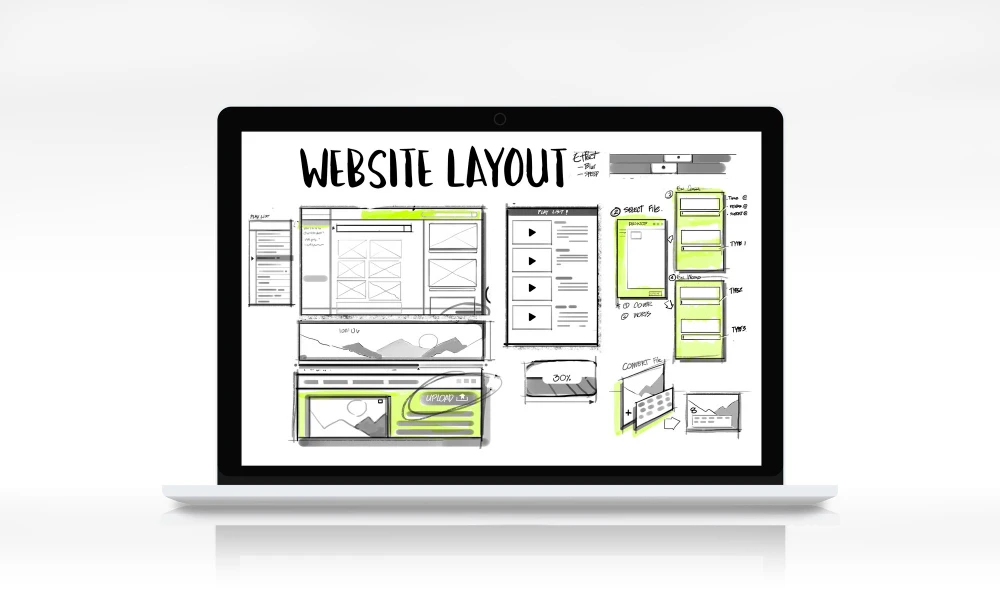
The layout of your landing page should guide visitors naturally towards your call-to-action (CTA). Use the F-pattern or Z-pattern layouts, which mimic natural eye movement patterns. Place your most important elements along these paths to ensure they catch the visitor's attention.
Make use of white space to prevent overwhelming your visitors with information. A cluttered page can lead to cognitive overload, causing visitors to leave without taking action. Instead, use a clean, spacious design that allows each element room to breathe and be noticed.
3. Use Persuasive Visual Hierarchy
Visual hierarchy is a crucial UI design principle that can significantly impact your landing page's persuasiveness. Use size, color, contrast, and positioning to guide visitors' attention to the most important elements on your page.
For instance, make your CTA button stand out by using a contrasting color and placing it in a prominent position. Use larger font sizes for headlines and subheadings to establish a clear content hierarchy. This helps visitors quickly scan and understand your offer, increasing the likelihood of conversion.
4. Incorporate Social Proof
Social proof is a powerful persuasion tool. People are more likely to take action when they see others have done so successfully. Incorporate elements like customer testimonials, trust badges, client logos, or user statistics into your UI design.
From a UX perspective, ensure these elements are easily digestible. For testimonials, use short quotes with the customer's name and photo to increase credibility. For statistics, consider using infographics or icons to make the information more visually appealing and easier to grasp quickly.
5. Optimize for Mobile
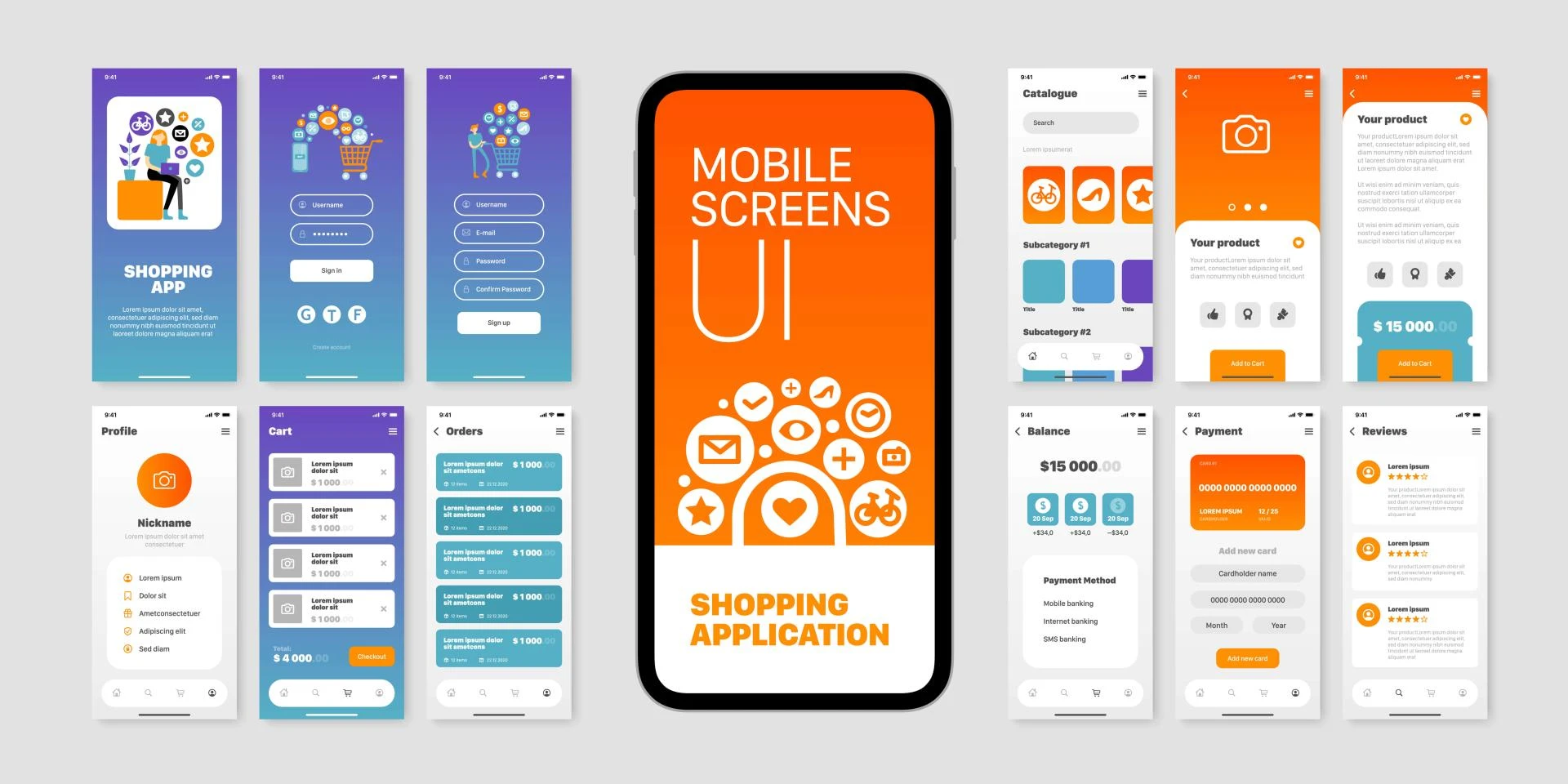
With more than half of web traffic coming from mobile devices, optimizing your landing page for mobile is no longer optional. Ensure your UI design is responsive, adapting seamlessly to different screen sizes.
From a UX standpoint, consider the mobile user's context. They might be on the go, have limited time, or be dealing with a slower internet connection. Simplify your mobile landing page, focusing on the most crucial information and making it easy to take action with large, easily tappable buttons.
6. Use Persuasive Microcopy
Microcopy refers to the small pieces of text on your landing page, such as button text, form labels, and error messages. While often overlooked, microcopy can significantly impact your page's persuasiveness.
Use action-oriented language for your CTA buttons. Instead of generic text like "Submit," use more compelling phrases like "Start My Free Trial" or "Get My Discount." For form labels, be clear about what information you're asking for and why. If you're requesting a phone number, for example, you might add "(For shipping updates)" to reassure users about how their information will be used.
7. Implement Smart Forms
Forms are often a necessary evil on landing pages, but they can be a major point of friction. Use UI design to make your forms appear less daunting. Break long forms into multiple steps, use a single-column layout for easier scanning, and consider using inline form validation to provide immediate feedback.
From a UX perspective, only ask for information that's absolutely necessary. Each additional field increases the likelihood of form abandonment. If you need more information, consider progressive profiling, where you collect additional data over time rather than all at once.
8. Utilize Persuasive Imagery
Images can be powerful persuasion tools when used correctly. Choose images that resonate with your target audience and support your value proposition. If you're selling a product, use high-quality product images from multiple angles. If you're offering a service, consider using images of people benefiting from your service to help visitors envision themselves as satisfied customers.
Ensure your images are optimized for quick loading times, as slow-loading pages can significantly hurt your conversion rates.
9. Implement A/B Testing
Even with all these best practices in place, the most effective way to boost your landing page performance is through continuous testing and optimization. Use A/B testing to compare different versions of your page and see which performs better.
Test elements like your headline, CTA button color and text, form length, images, and overall layout. Even small changes can sometimes lead to significant improvements in conversion rates.
10. Focus on Page Speed
Page speed is a crucial aspect of UX that can significantly impact your landing page performance. A slow-loading page can frustrate visitors and cause them to leave before they even see your offer. Optimize your images, minify your code, and consider using a content delivery network (CDN) to improve your page speed.
Conclusion
Effective UI/UX design is about more than just creating a visually appealing landing page. It's about understanding your audience, addressing their needs and concerns, and guiding them smoothly towards taking action. By implementing these strategies, you can create a landing page that not only looks great but also persuades and converts.
Remember, the key to a high-performing landing page is continuous improvement. Keep testing, learning, and refining your approach. With time and effort, you can create a landing page that not only meets but exceeds your performance goals, turning more visitors into valuable leads and customers.
My Fiver link for : Figma Landing Page Design Service





















Sign in to leave a comment.