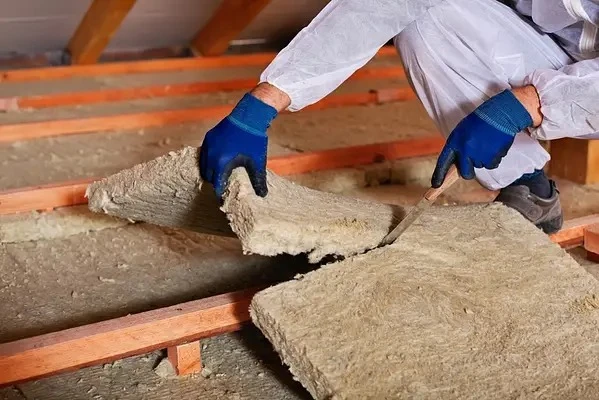
Improving insulation in older buildings is one of the most effective ways to reduce energy loss, improve comfort, and meet modern efficiency standards. Many existing properties were constructed before current energy codes and often lack sufficient insulation. Retrofit insulation provides a practical solution, allowing building owners to upgrade thermal performance without complete reconstruction. This article explores the strategic use of retrofit insulation, the types of materials available, and how proper application benefits both residential and commercial properties.
Why Retrofit Insulation Matters for Existing Buildings
Older buildings often lose large amounts of energy through poorly insulated walls, roofs, and floors. An expert retrofit insulation contractor addresses these weaknesses without requiring full demolition or rebuilding. The immediate benefit is reduced heating and cooling costs, but improved insulation also enhances occupant comfort and increases property value. For commercial properties, retrofits often help meet stricter energy performance standards.
Energy Loss in Older Structures
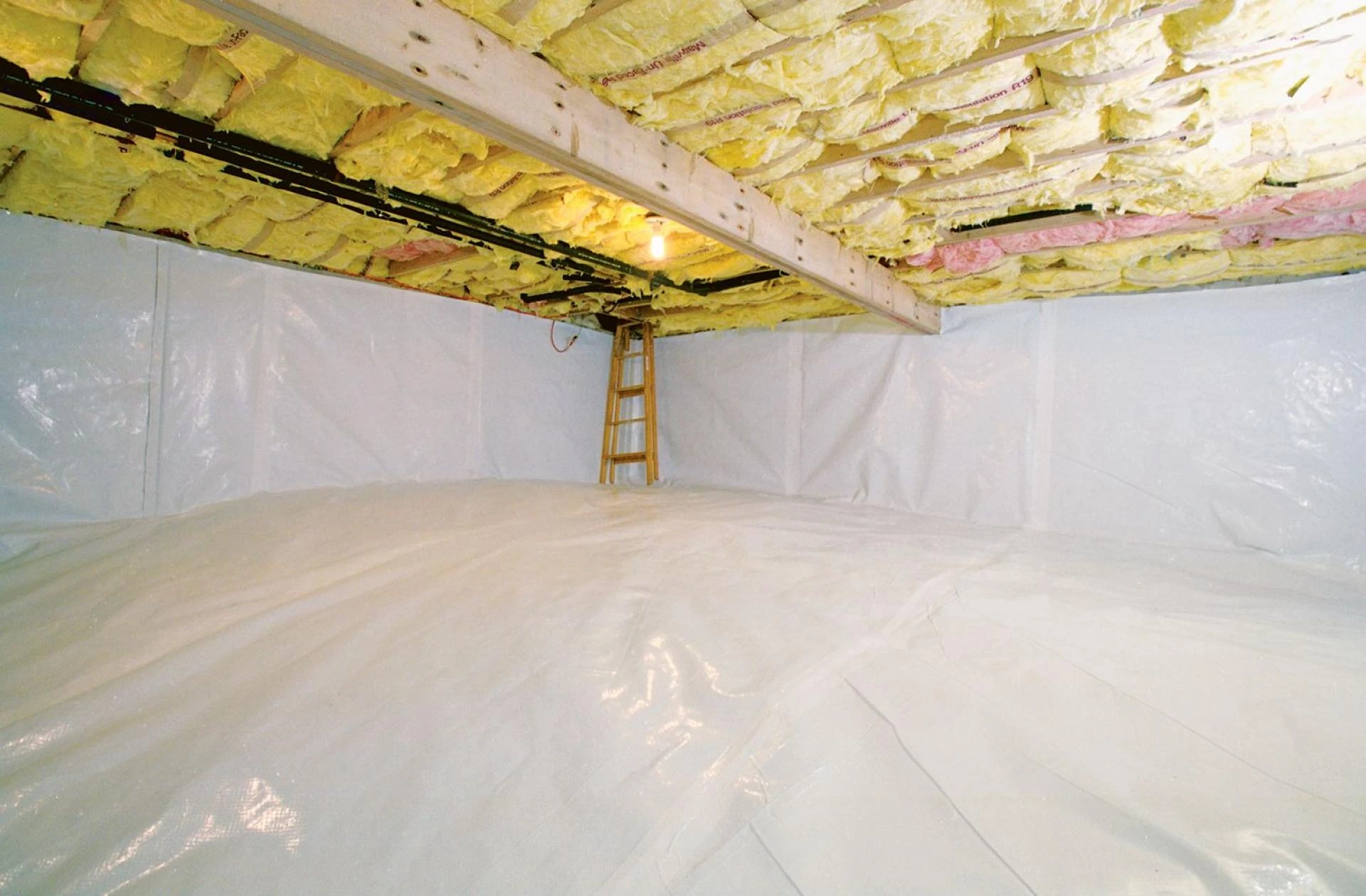
Many homes built before the 1980s lack insulation or contain outdated materials with limited effectiveness. Heat escapes quickly through attics, crawlspaces, and exterior walls. Commercial buildings may face even greater challenges with large surface areas and aging HVAC systems. Retrofit insulation closes these gaps.
Compliance with Modern Energy Codes
Retrofitting insulation is not only about comfort—it’s often necessary to comply with evolving building codes and environmental regulations. Upgrades can help property owners qualify for certifications such as LEED or Energy Star.
Types of Retrofit Insulation for Different Applications
Choosing the right insulation depends on the building’s structure, material compatibility, and performance goals. Several retrofit options are commonly applied in both homes and commercial properties.
Spray Foam Insulation
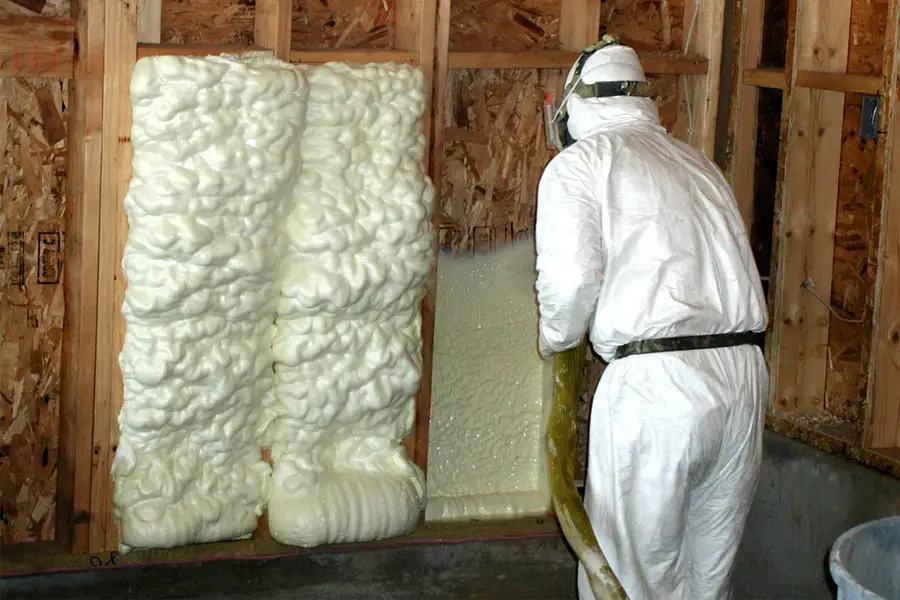
Spray foam is one of the most versatile retrofit options. It expands to fill gaps, seals air leaks, and provides high R-value per inch. It is often used in attics, crawlspaces, and wall cavities.

Blown-In Cellulose and Fiberglass
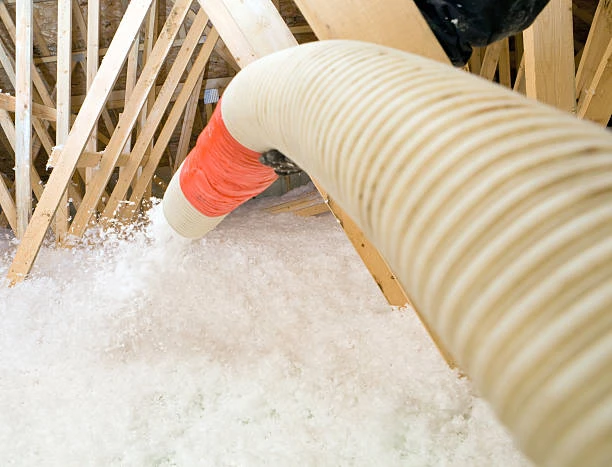
Blown-in materials are ideal for adding insulation to existing walls without removing interior finishes. Cellulose offers good thermal resistance and soundproofing, while fiberglass provides durability and moisture resistance.
Rigid Foam Board
Rigid foam insulation is commonly applied on exterior walls during siding replacements. It improves thermal resistance and adds a moisture barrier.
Mineral Wool Insulation
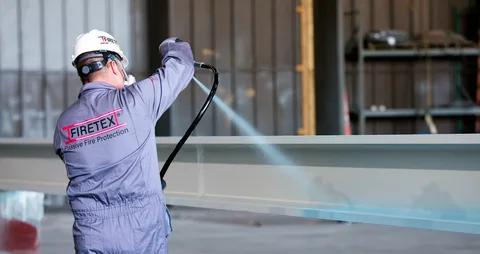
Mineral wool offers fire resistance along with insulation. It is used in retrofit projects where both safety and thermal efficiency are priorities.
The Application Process of Retrofit Insulation
Applying insulation in existing buildings requires careful planning. The process involves identifying weak points, preparing surfaces, and choosing methods that minimize disruption to occupants.
Assessment and Planning
Energy audits or thermal imaging help locate heat loss areas. Professional evaluation ensures the right insulation type is selected for walls, attics, basements, or mechanical rooms.
Installation Methods
- Injection methods – Blown-in insulation through small wall openings
- Spray application – Expanding foam to seal gaps and cavities
- Surface layering – Applying rigid boards during renovations or siding replacements
Quality Control and Safety
Proper installation prevents problems such as trapped moisture, air leakage, or uneven coverage. Testing and post-installation inspections verify performance.
Comparing Retrofit Insulation Options for Property Owners
Building owners often evaluate insulation types by cost, effectiveness, and ease of installation.
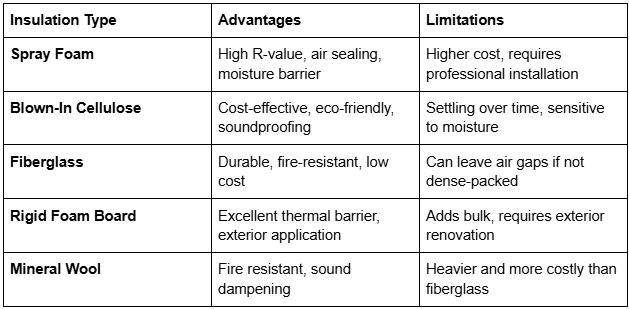
This comparison highlights that no single material is universally best. Selection depends on the building’s condition, performance goals, and budget.
Practical Benefits of Retrofit Insulation
Retrofit insulation goes beyond reducing energy costs. It improves the overall quality of a building for occupants and owners.
Improved Indoor Comfort
Better insulation maintains consistent indoor temperatures and reduces drafts. For commercial spaces, this supports a stable work environment.
Moisture and Air Infiltration Control
Spray foam and rigid boards act as barriers against moisture and uncontrolled air flow, reducing risks of mold and structural damage.
Long-Term Value
Retrofitting insulation increases property resale value and reduces maintenance costs. Energy-efficient buildings also qualify for tax incentives and rebates in many regions.

Common Question: Does Retrofit Insulation Disrupt Occupants?
Many property owners hesitate because they worry about disruption during installation. In most cases, retrofit insulation is minimally invasive. Blown-in and spray methods require small openings and can be completed quickly. Large-scale projects like rigid foam installation may take longer but are often timed with other renovations.
Conclusion
Retrofitting insulation in existing buildings is one of the most strategic ways to improve energy efficiency, comfort, and property performance. Options range from spray foam and blown-in materials to rigid foam and mineral wool, each with unique strengths. Proper application reduces energy loss, controls moisture, and helps buildings comply with modern codes. For both homeowners and commercial property owners, insulation retrofits offer measurable returns in lower energy bills, improved indoor comfort, and long-term asset value. Whether applied to walls, attics, or basements, retrofit insulation provides a sustainable upgrade that supports both environmental responsibility and financial savings.
Visit us for expert retrofit insulation: https://southchicagoinsulation.com/?utm_source=backlink
FAQs
How does retrofit insulation affect heating and cooling costs?
Retrofit insulation reduces heat transfer, which lowers the workload on HVAC systems. This leads to consistent indoor temperatures and noticeable energy savings.
Can retrofit insulation help control moisture in older homes?
Yes. Materials like spray foam and rigid foam provide both insulation and air sealing, which reduces moisture penetration and helps prevent mold growth.
Is retrofit insulation suitable for commercial properties?
Commercial buildings benefit significantly, especially in attics, roofs, and large exterior walls. Upgrades can improve compliance with energy codes and reduce operating expenses.
What is the lifespan of retrofit insulation materials?
Most retrofit insulation lasts for decades when installed correctly. Spray foam and rigid boards can perform for 30 years or more without significant loss of effectiveness.
Does retrofit insulation improve indoor air quality?
By sealing gaps and reducing air infiltration, retrofit insulation helps limit dust, allergens, and outdoor pollutants from entering living or working spaces.
Author: Bob Gasca attended his first spray foam training in 2007 and has continued to pursue yearly training to stay current with the latest technology and practices. He is a certified Spray Foam Master Installer through the SPFA and a member of the SPFA. Additionally, Bob serves as a Spray Foam Worldwide Ambassador, sharing information with spray foam professionals globally. Recently, he returned from a building science training, where he expanded his knowledge on how weather conditions affect home performance, helping him better diagnose and improve home health for families. Bob specializes in finding solutions to complex moisture and air infiltration issues.
Reviewer: Noah Gonzalez reviewed this article and drew on 9 years of experience to offer suggestions that make the guidance more directly useful for insulation contractors.
























Sign in to leave a comment.