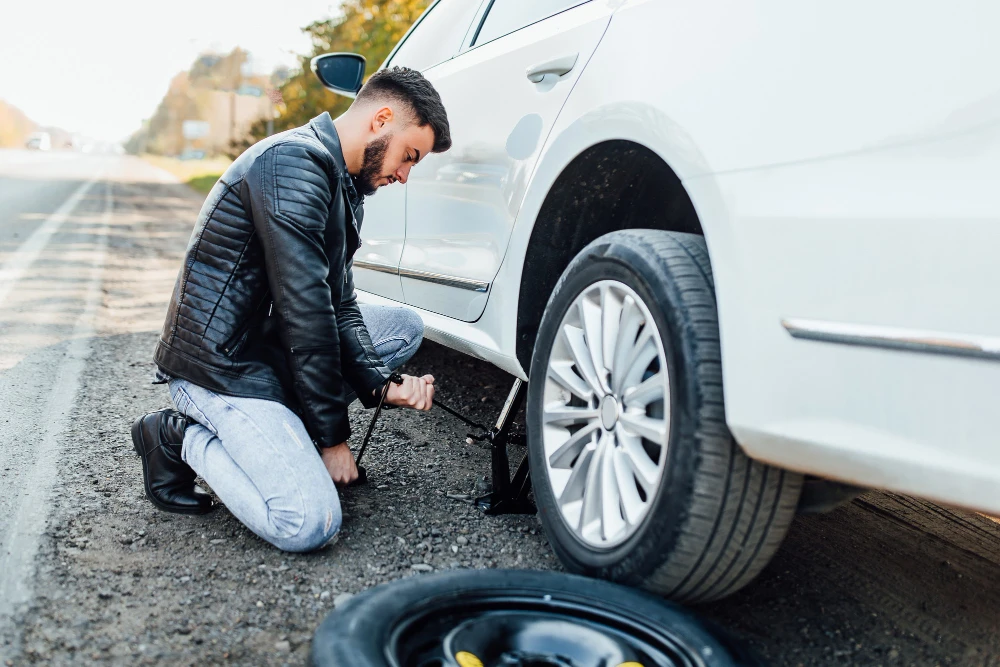

Driving in Durham Region comes with its own set of challenges. One day you're navigating icy highways in Oshawa. The next you're dodging potholes on Brock Street in Whitby. The constant temperature swings between fall and spring can wreak havoc on your vehicle. Your tires take the biggest hit.
Most drivers don't realize that proper tire care isn't just about safety. It's about protecting your wallet too. Maintaining your tires in Durham Region means understanding what our unique climate does to rubber and steel.
Why Tire Maintenance Matters More in Durham Region
Our local roads tell a story every spring. Winter salt eats away at rubber compounds while you're stuck in traffic on the 401. Then March arrives with its freeze-thaw cycle. Potholes seem to appear overnight on Taunton Road and Rossland.
Durham drivers face a specific challenge. We deal with extreme temperature swings that can shift 30 degrees in a single week. Your tires expand and contract with these changes.
They wear down faster than they would in more stable climates. Add in the mix of highway driving and stop-and-go city traffic through Ajax, Pickering, and Clarington. You've got a recipe for accelerated tire wear. It's not just bad luck. It's our geography.
Check Tire Pressure Regularly
Temperature drops hit tire pressure hard. For every 5 degrees Celsius decrease, your tires lose about one PSI. That means the cold snap in January can leave you driving on underinflated tires. You won't even know it. Underinflated tires reduce fuel efficiency. They wear out faster. They make your vehicle harder to control in winter conditions.
- Check your tire pressure at least once a month, especially during seasonal transitions
- Inspect pressure before any long drives to Toronto or beyond the Durham Region
- Keep a quality tire gauge in your glove box for quick checks at gas stations
- Adjust pressure when temperatures shift dramatically between day and night
- Don't forget your spare tire because it needs pressure checks, too
Cold weather doesn't just affect how your car starts. It directly impacts the air inside your tires. Catching pressure drops early prevents bigger problems down the road.
Inspect for Wear and Damage
Tread depth determines whether you stop safely or slide through an intersection. Canadian law requires at least 1.6mm of tread. But winter driving demands more.
You need closer to 4mm for real traction. Durham's rough spring roads also create unseen damage that builds up over time.
- You should look for uneven wear patterns across the tire surface because they signal alignment issues.
- Watch for vibrations while driving because they often mean internal tire damage.
If you spot anything concerning but aren't sure about the severity, search for tire repair near me. Get a professional opinion. Small problems caught early prevent roadside emergencies later.
Rotate and Align Your Tires
Front tires wear differently than rear tires. Your front wheels handle steering and most of the braking force. This means they wear out faster. Sometimes twice as fast. Regular rotation every 8,000 to 10,000 kilometers evens out this wear.
It extends the life of your entire set. Alignment matters just as much, especially after Durham's pothole season.
Poor alignment doesn't just wear tires unevenly. It drags down your fuel efficiency. It makes your vehicle pull to one side. Think of rotation and alignment as preventative maintenance. They pay for themselves in tire longevity.
Seasonal Tire Changes Matter
Durham Region's winters aren't optional. They're mandatory for your safety planning. Winter tires use softer rubber compounds that stay flexible in freezing temperatures. They give you the grip all-season tires simply can't match below 7 degrees Celsius.
- Switch to winter tires by early November
- Store off-season tires in a cool, dry place
- Consider having winter tires mounted on separate rims for easier seasonal swaps
Delaying your winter tire installation isn't worth the risk. Not on Highway 407. Not during a surprise October snowstorm. When it's time to make the change, a quick search for tire change near me connects you with local shops. They understand our climate.
When to Visit a Professional
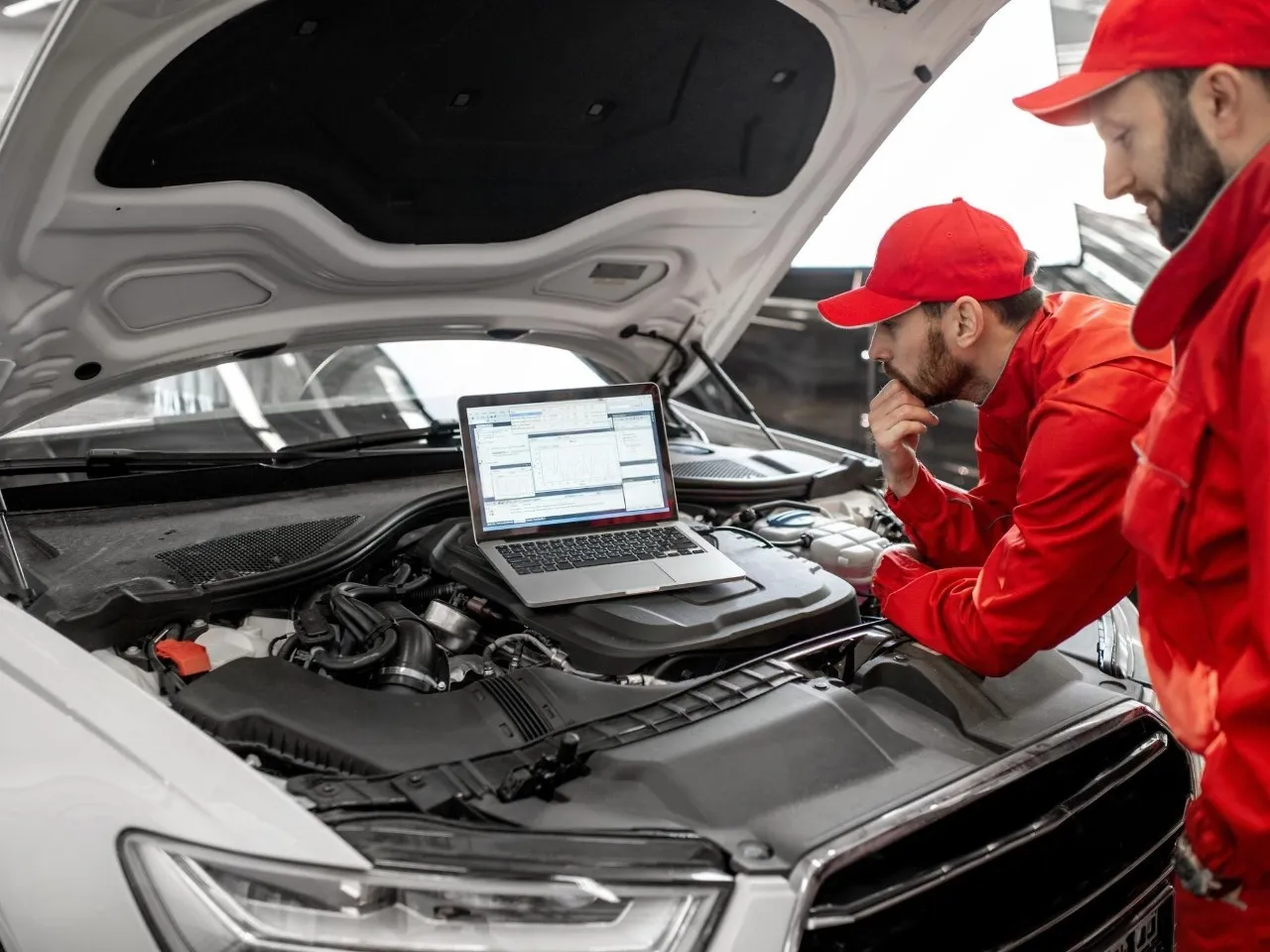
Some tire problems need expert eyes. Persistent vibration at highway speeds points to balance issues or internal damage. If your steering wheel pulls consistently to one side even on straight roads, something's wrong. It could be alignment or tire condition. Slow leaks that keep requiring air top-ups signal punctures or valve problems. They won't fix themselves.
Don't ignore these warning signs. Your vehicle is telling you it needs help. Professional mechanics have the tools to diagnose problems you can't see. They fix them before they become dangerous.





























Sign in to leave a comment.